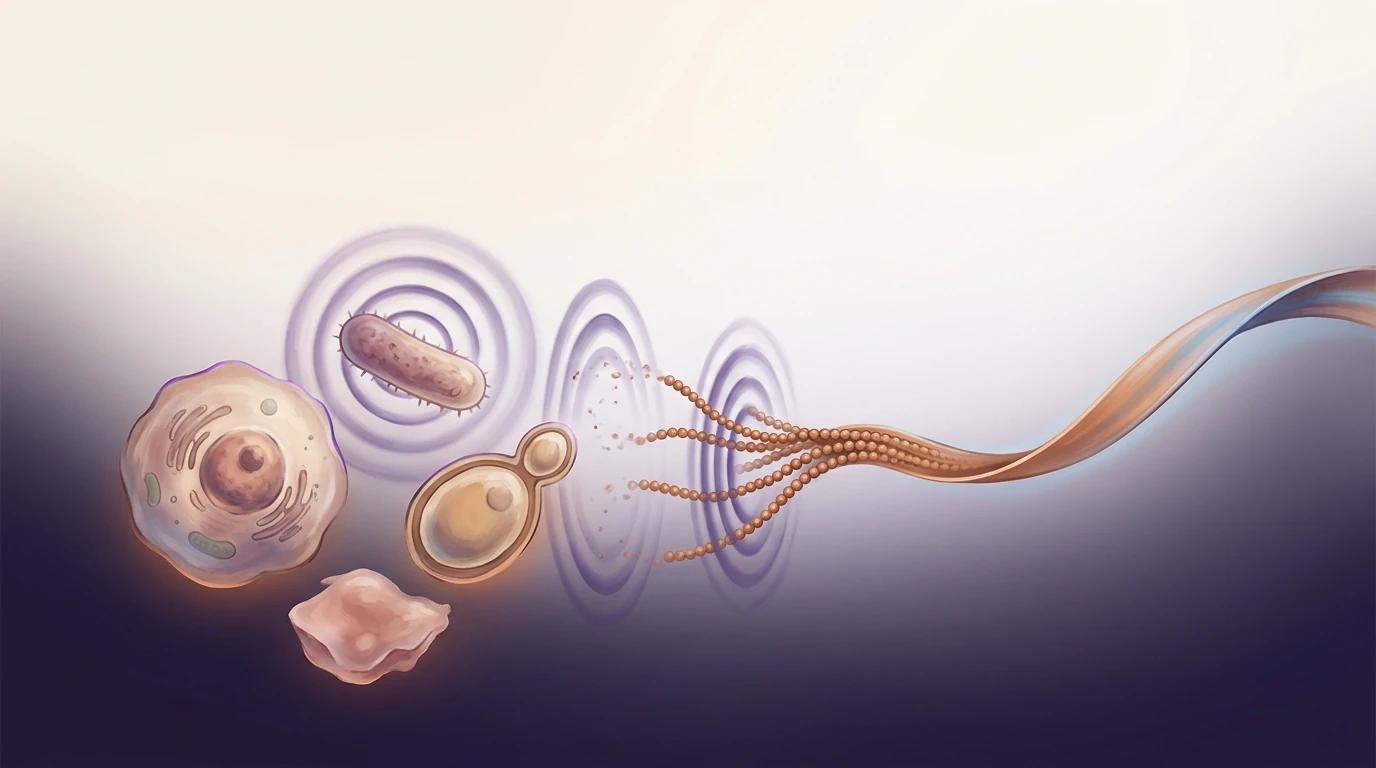
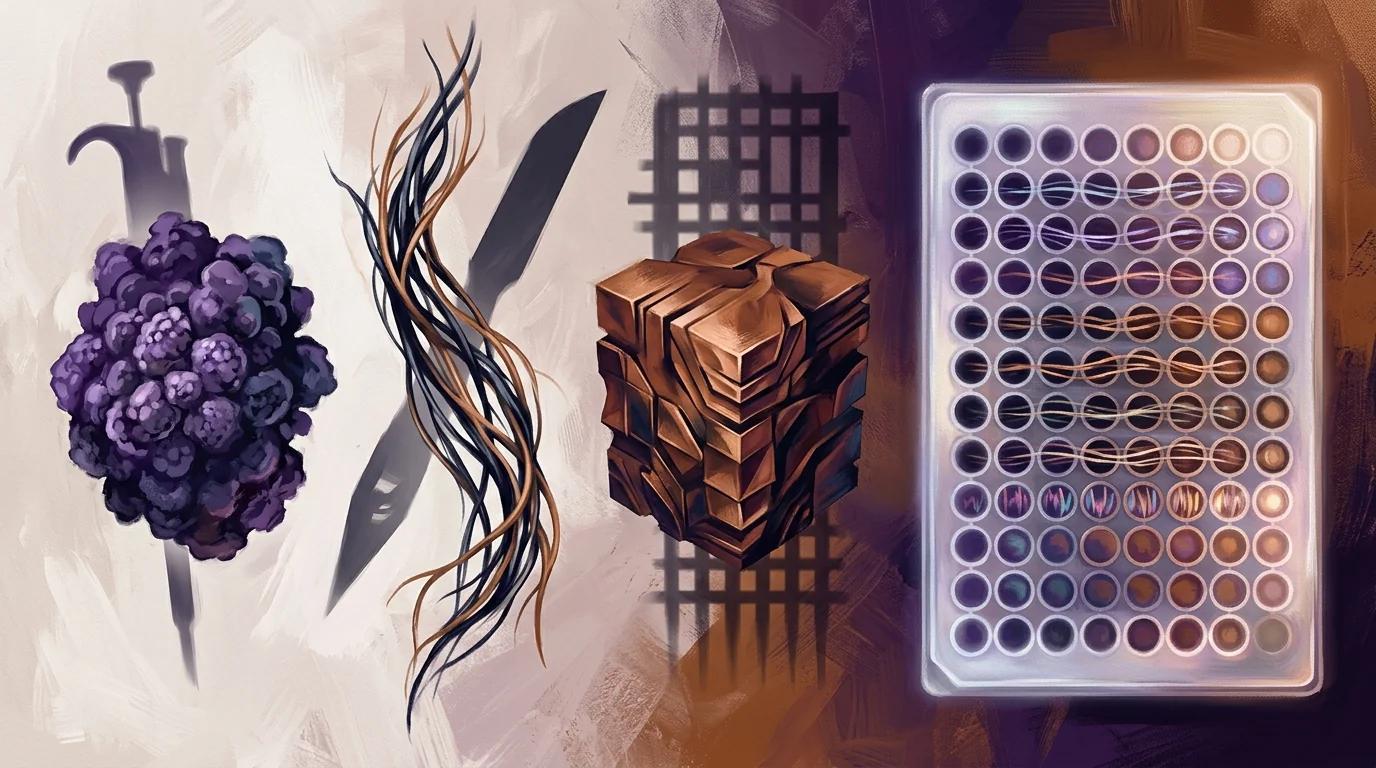
- For the toughest matrices — spores, fungi, fibrous plant and tissue — bead beating is often the specialist standard, and for a core built around one of them it's hard to beat.
- But every mechanical method is optimized per sample type — bead size, time, and buffer change with the matrix — so standardizing one protocol across a varied plate is the hard part.
- A sonicator trades that specialization for breadth: one standardized, hands-off run that adjusts per column to cover a wide range of sample types — the better fit when a core runs many, not one.
Pick the disruption method for a single tough matrix and the answer is often easy. Pick it for a shared core that sees a dozen different ones in a week and the question changes shape: not "what disrupts my hardest sample best?" but "what covers the most of what I actually run, dependably, in one method?" Here's an honest comparison.
For the toughest samples, mechanical disruption earns its place
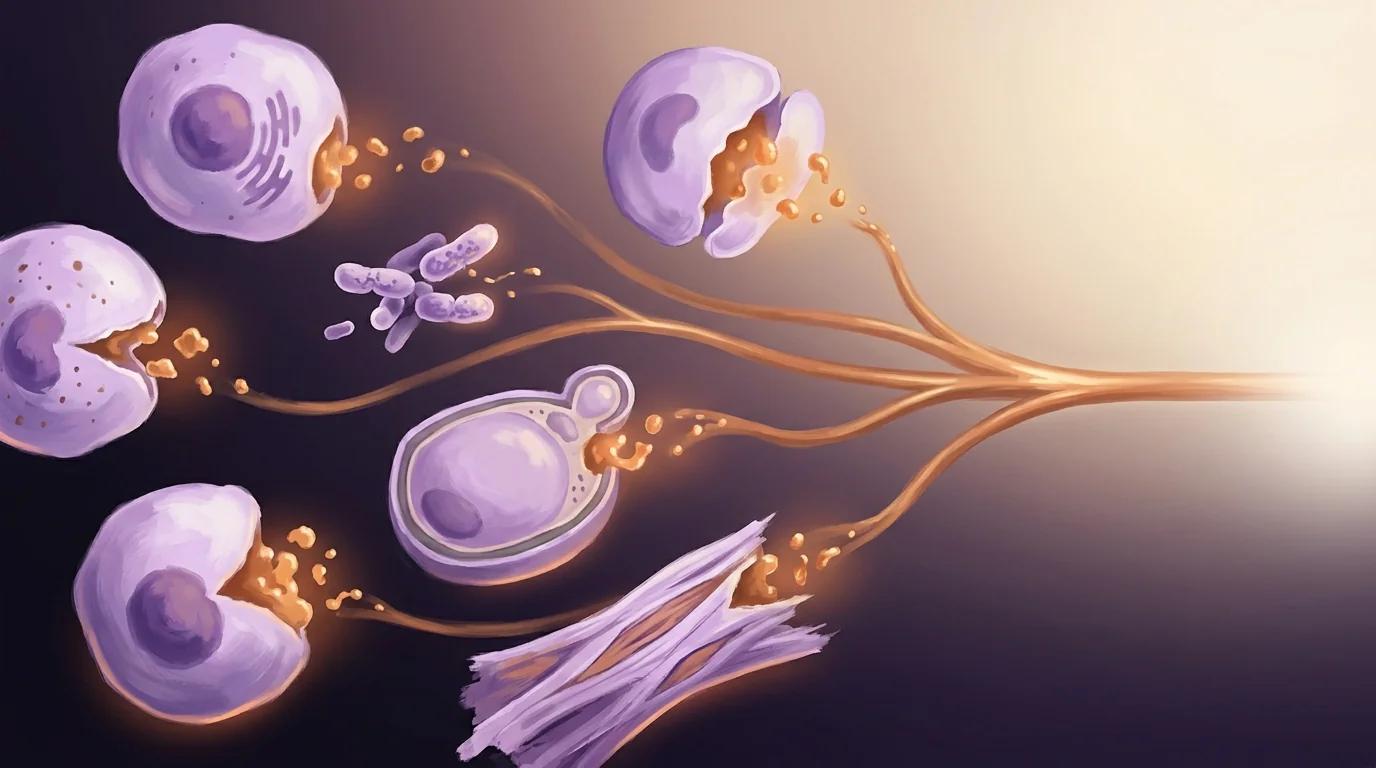
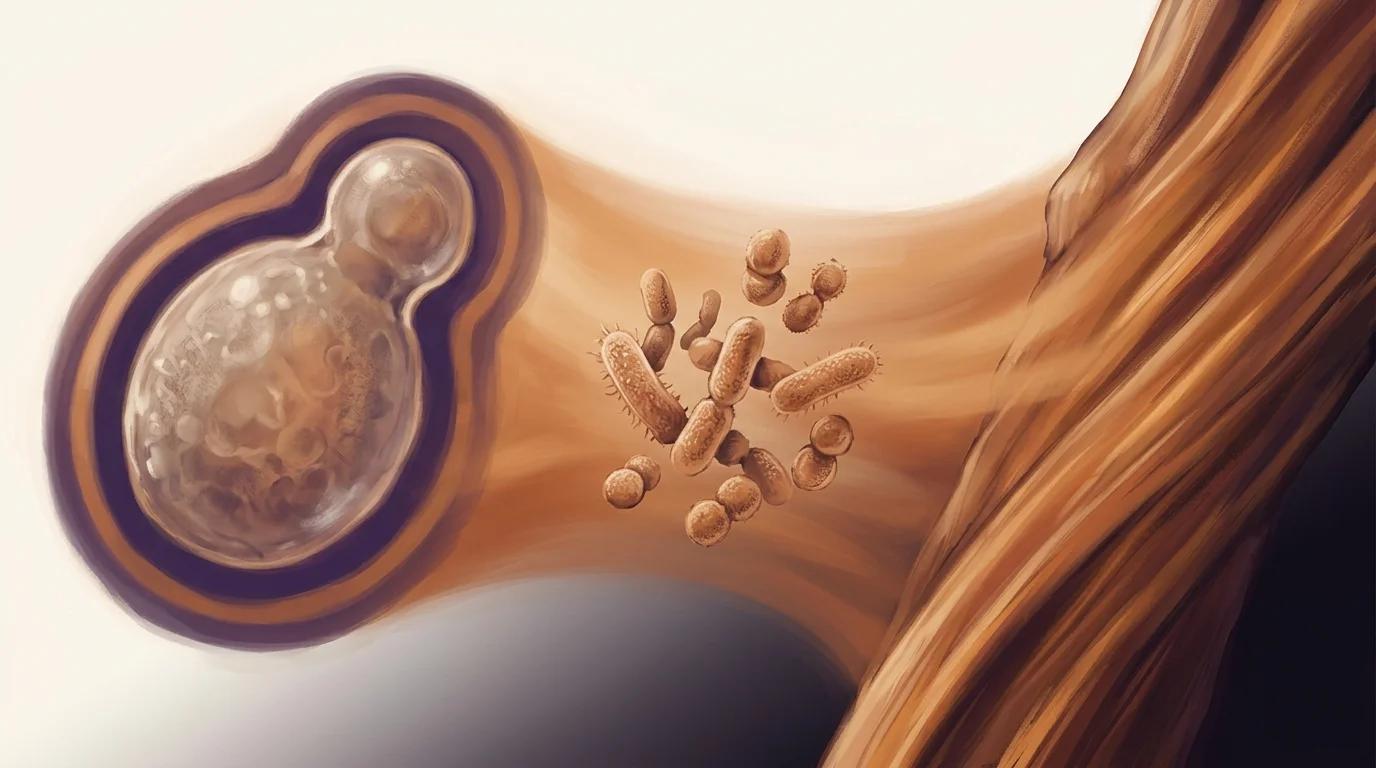
Let's be fair to mechanical disruption first, because it's earned it. For genuinely tough matrices — yeast and fungal walls, bacterial spores, fibrous plant material, dense tissue — mechanical disruption is often the best tool there is. Bead beating shears open cells that resist gentler methods, and for a lab built around one of those sample types, a dedicated bead mill or homogenizer is hard to improve on. This isn't a piece about mechanical disruption being outdated. It works, and for the hardest single matrices it frequently wins.
But mechanical methods are optimized per sample type
The cost shows up when a core runs many sample types rather than one. Mechanical disruption is sample-specific by nature: the bead material and size, the agitation time, the buffer, the cooling — all of it gets tuned to the matrix in front of you. Switch sample types and you switch protocols. Add to that the beads themselves, loaded and then removed from every sample, and the well-to-well variation in how they pack, and the picture for a shared, multi-PI core gets complicated fast: a different method per sample type, and a consistency that's hard to lock down across a plate.
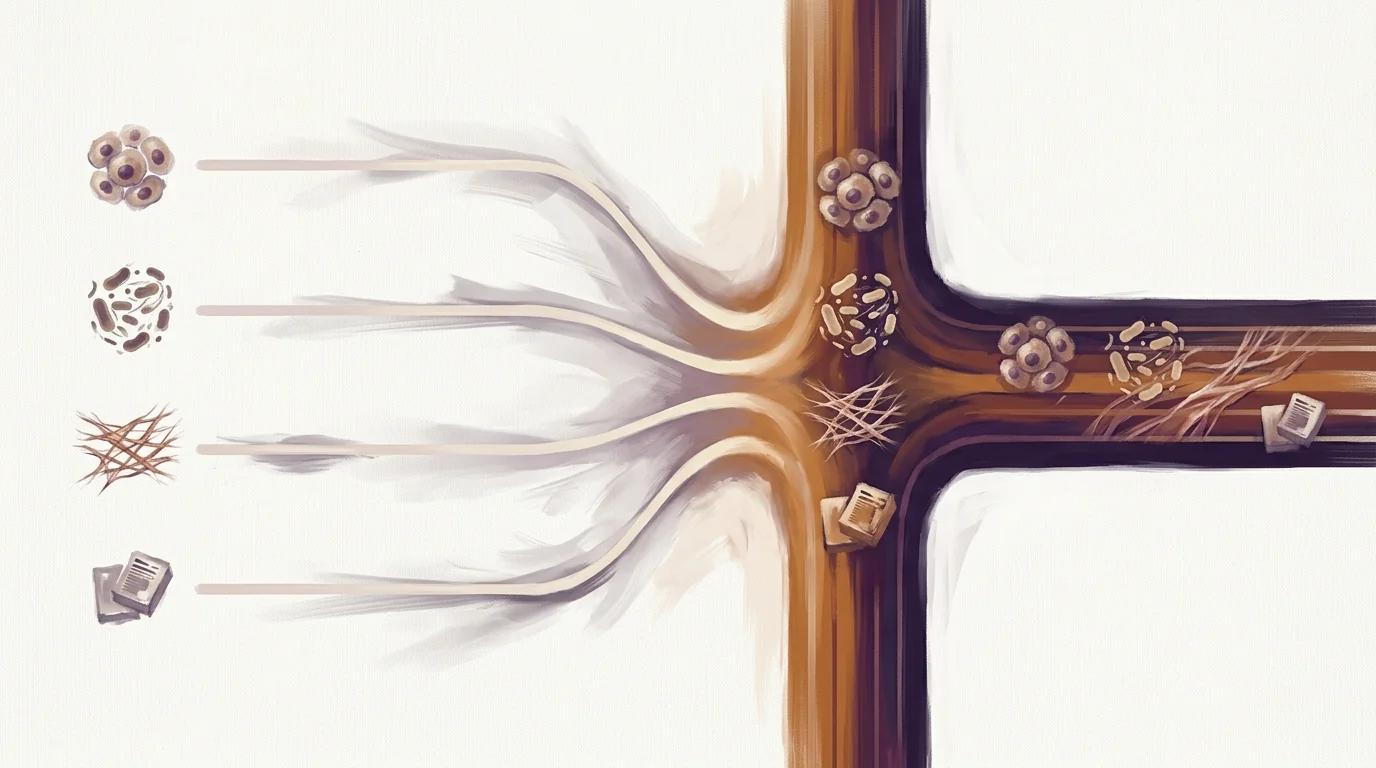
PIXUL takes a different approach: one instrument that adjusts acoustic energy and time per column, disrupting a full 96-well plate in a single hands-off run — no beads to add or remove. Instead of a separate optimized protocol per matrix, the same instrument covers a range of sample types side by side on one plate.
| Dimension | Mechanical (bead beating, homogenizing, pressure cycling) | High-throughput sonicator (PIXUL) |
|---|---|---|
| Best-fit samples | the toughest matrices — spores, fungi, fibrous plant/tissue (often the specialist standard) | a broad range of sample types, including many tough ones |
| Method per sample type | bead size, time, buffer re-optimized for each matrix | acoustic energy and time adjusted per column, one instrument |
| Standardizing across a varied plate | hard — each matrix is its own protocol; bead packing varies | uniform across the plate, one standardized run |
| Consumables / cleanup | beads added and removed per sample | no beads to add or remove |
| Hands-off throughput | varies (some serial); plate bead-mills exist | full 96-well plate, one hands-off run |
| When it's the right call | one tough matrix at volume, or an extreme sample sonication can't reach | a core running a range, where standardization matters |
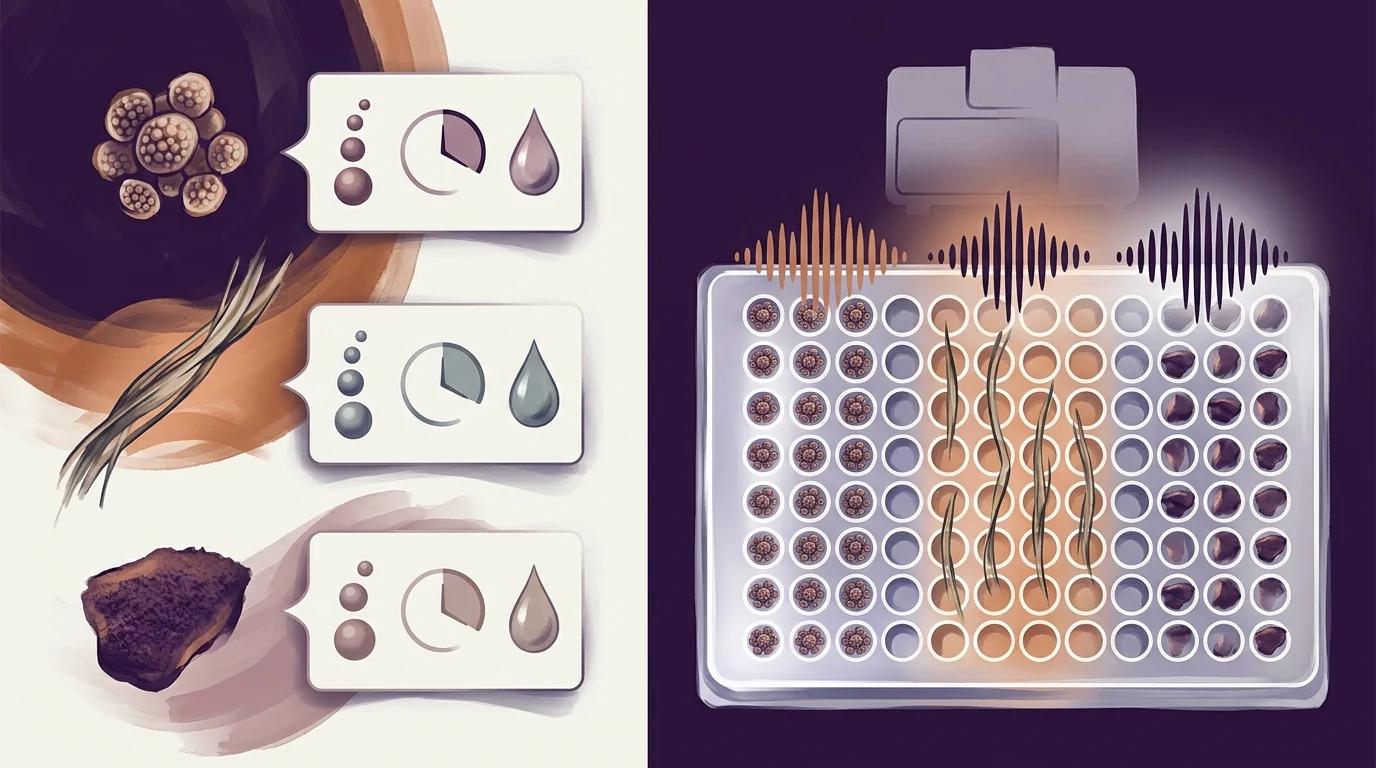
A sonicator trades specialization for breadth
That's the real trade, and it's worth stating honestly rather than overselling. A sonicator is usually not the absolute-best tool for one extreme matrix — that's the specialist's home ground. What it offers a shared core is the widest range covered by a single, standardized, hands-off method (why range is the deciding factor for a shared core). For a facility whose week includes mammalian cells, bacteria, soft tissue, and the occasional tough one, that breadth is worth more than peak performance on any single sample type.
Bead beating is hard to beat for one tough matrix — the question is whether your core runs one, or a dozen.
Can a sonicator actually handle our toughest samples?
Will it lyse the hard ones, or do we still need beads? For a lot of tough material — cell-wall organisms, dense tissue, fixed blocks — adjustable acoustic energy and time do get protein out, and that covers more of a core's “difficult” list than people expect (the hard ones, in depth). But the honest answer has an edge: for a genuinely extreme matrix that truly needs mechanical shearing, mechanical is still the right call, and a fair evaluation will say so. The way to settle it isn't a spec sheet — it's your hardest sample, run on the instrument.
Choose by your range, not your hardest single sample
The deciding question isn't “what disrupts my toughest sample best?” in isolation — it's “what covers the most of what my core actually runs, dependably, in one method?” If your facility is built around a single tough matrix at volume, a dedicated mechanical method may well be the right tool. If it runs a range — which most shared cores do — a sonicator standardizes far more of it into one hands-off workflow (the full evaluation framework).
If our hardest sample is on the bead-beating end of the spectrum, should we even consider a sonicator?
Test it. For an extreme matrix that truly needs mechanical shearing, mechanical wins, and an honest evaluation will say so. But many samples people assume “need beads” turn out to lyse cleanly with adjustable acoustic energy and time — and if a sonicator covers the rest of your core's range in one standardized run, that's the real value. Bring the one you're sure will need beads, run it on the instrument, and let the data decide.