- The capital case isn’t the lowest price — it’s that one versatile instrument replaces several single-purpose ones, so a single budget line covers the range a facility would otherwise buy piecemeal.
- Self-maintenance and open consumables lower the cost of ownership, not just the sticker — no service contract to renew, no single vendor setting your consumable price.
- Frame it as range covered per capital line, and the conversation stops being a per-plate price war — which is the argument you can actually win in committee.
A committee funds range per capital line, not the lowest sticker
Walk into a capital committee arguing that an instrument is inexpensive and you’ve picked the fight you’re least likely to win — there’s almost always something with a lower sticker, and "lower sticker" doesn’t answer the question a committee actually has, which is what does this let the facility do that it can’t do now? The stronger case reframes the whole comparison: not price per plate, but how much of the facility’s demand one capital line absorbs.
One instrument instead of several single-purpose ones
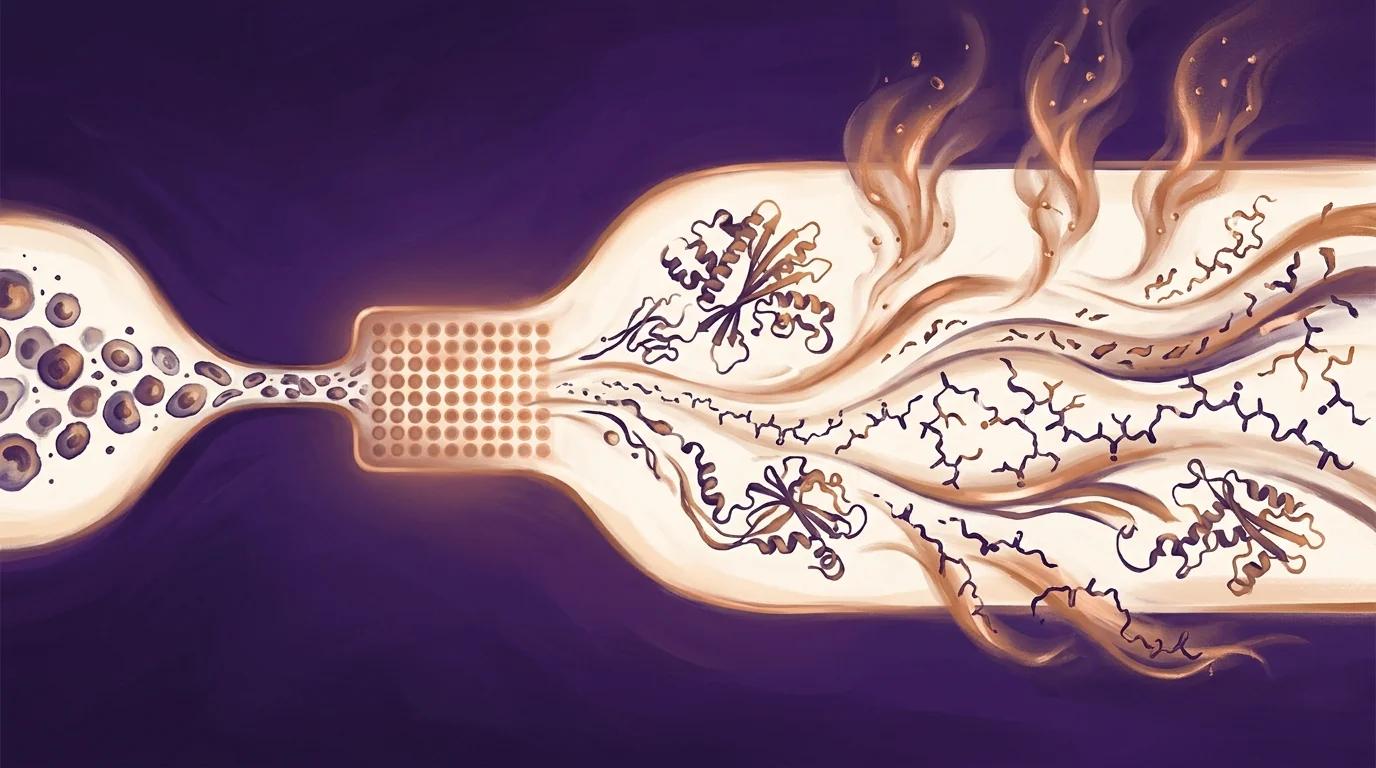
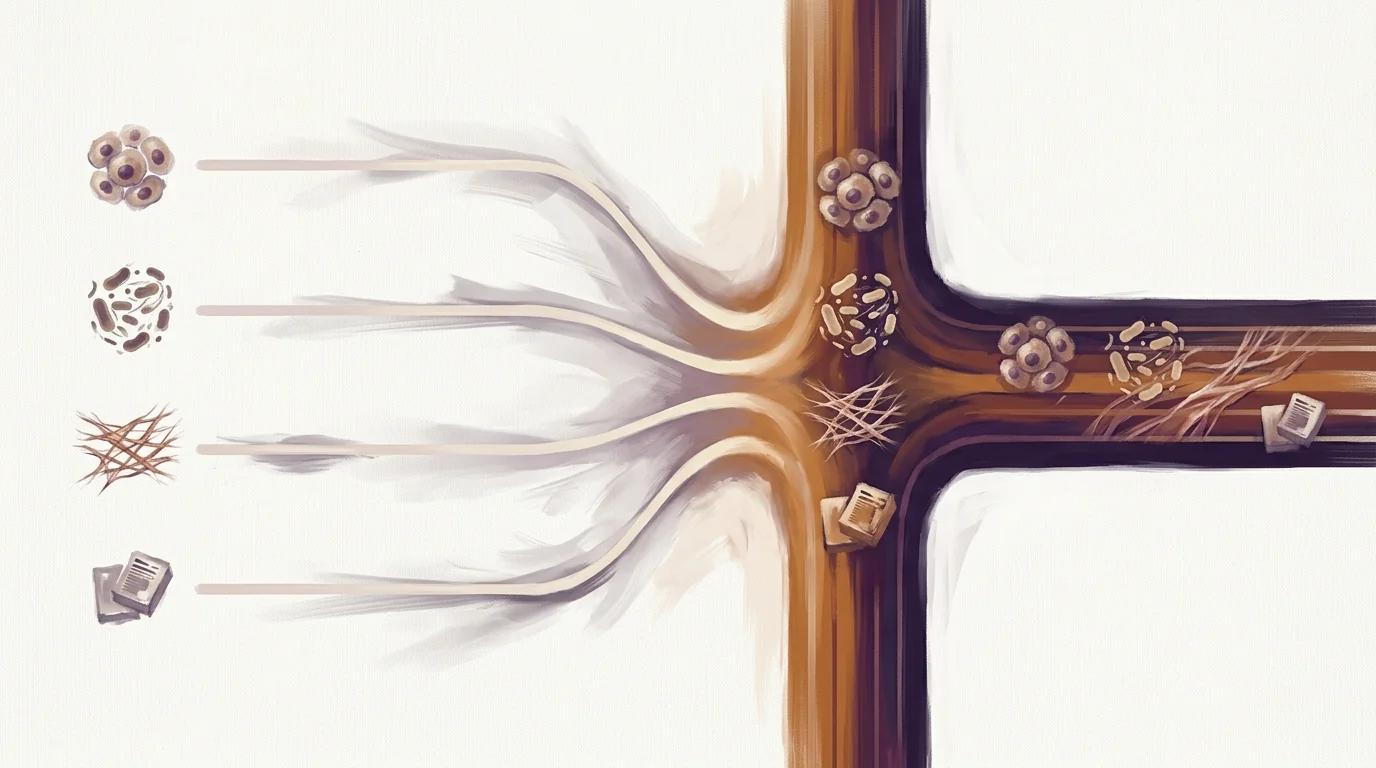
That’s where versatility becomes a budget argument. PIXUL covers cells, bacteria, tough tissue, and more on one instrument — the range a facility would otherwise cover by buying several single-purpose ones, each with its own capital request, its own bench space, its own service line, and its own training burden (the versatility that makes the consolidation real). One line that absorbs the range is a fundamentally easier thing to defend than four lines that each do one job (the full evaluation framework lives in the pillar).
The cost that doesn’t show up on the quote
The other half of the case is the cost a quote never lists: what the instrument takes to keep running. A self-maintained instrument has no service contract to renew year after year, and open standard plates mean no captive consumable supplier setting your price or your lead time (self-maintenance in practice). Committees are increasingly fluent in total cost of ownership; an instrument with a lower total cost of ownership after purchase, not just a lower price to buy, is a case that holds up under scrutiny.
A committee rarely funds the lowest-priced instrument — it funds the one that covers the most of what the facility has to do.
Build the case around range and ownership, not price per plate
So the argument to take into the room is a single sentence: one dependable, self-maintained instrument that absorbs the facility’s range and avoids several future single-purpose purchases — on consumables you control. That’s a capital story a committee can say yes to, because it’s about what the facility gains and keeps, not about winning a price war it was never going to win.
What’s the one sentence to bring into the committee meeting?
One versatile, self-maintained instrument that absorbs the facility’s range and replaces several future single-purpose purchases — on open standard consumables the core controls. That’s a capital line a committee can defend, because it’s about what the facility gains and keeps.