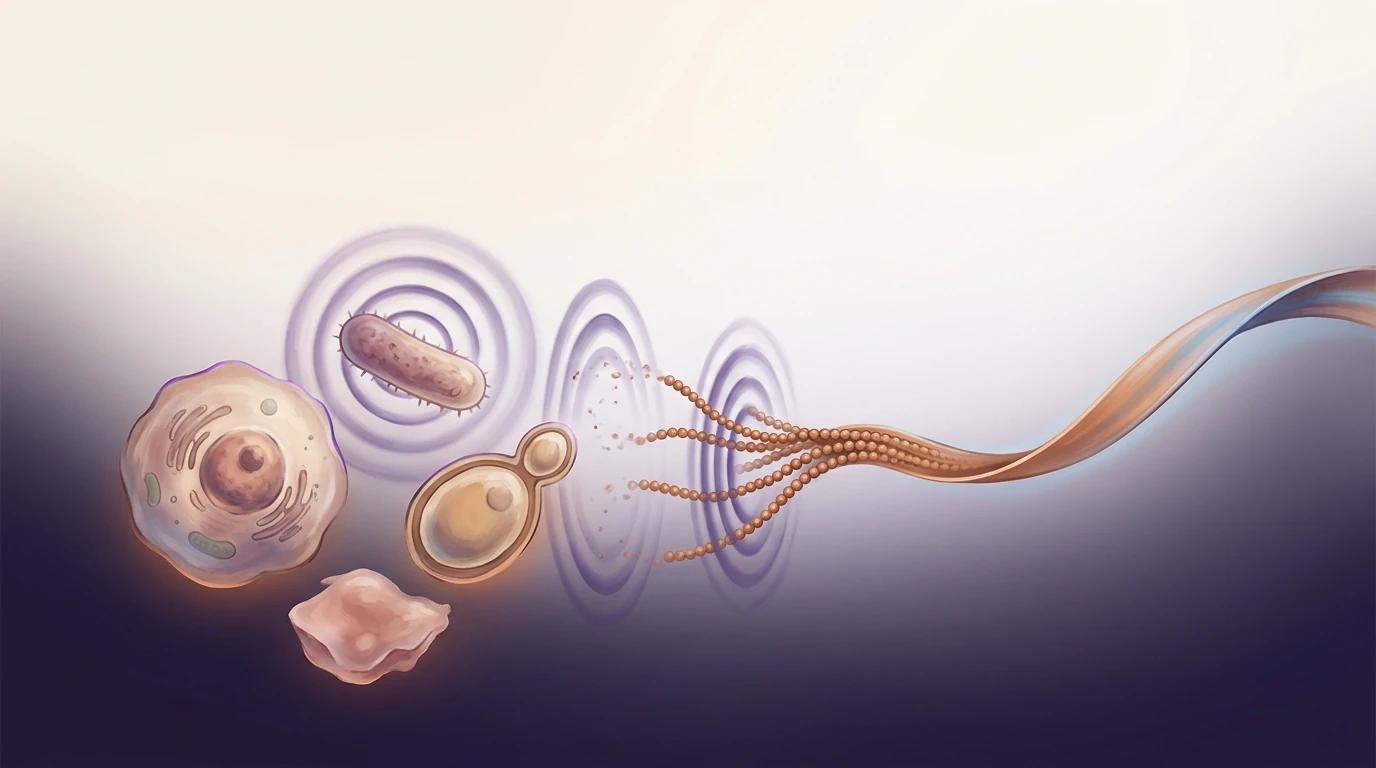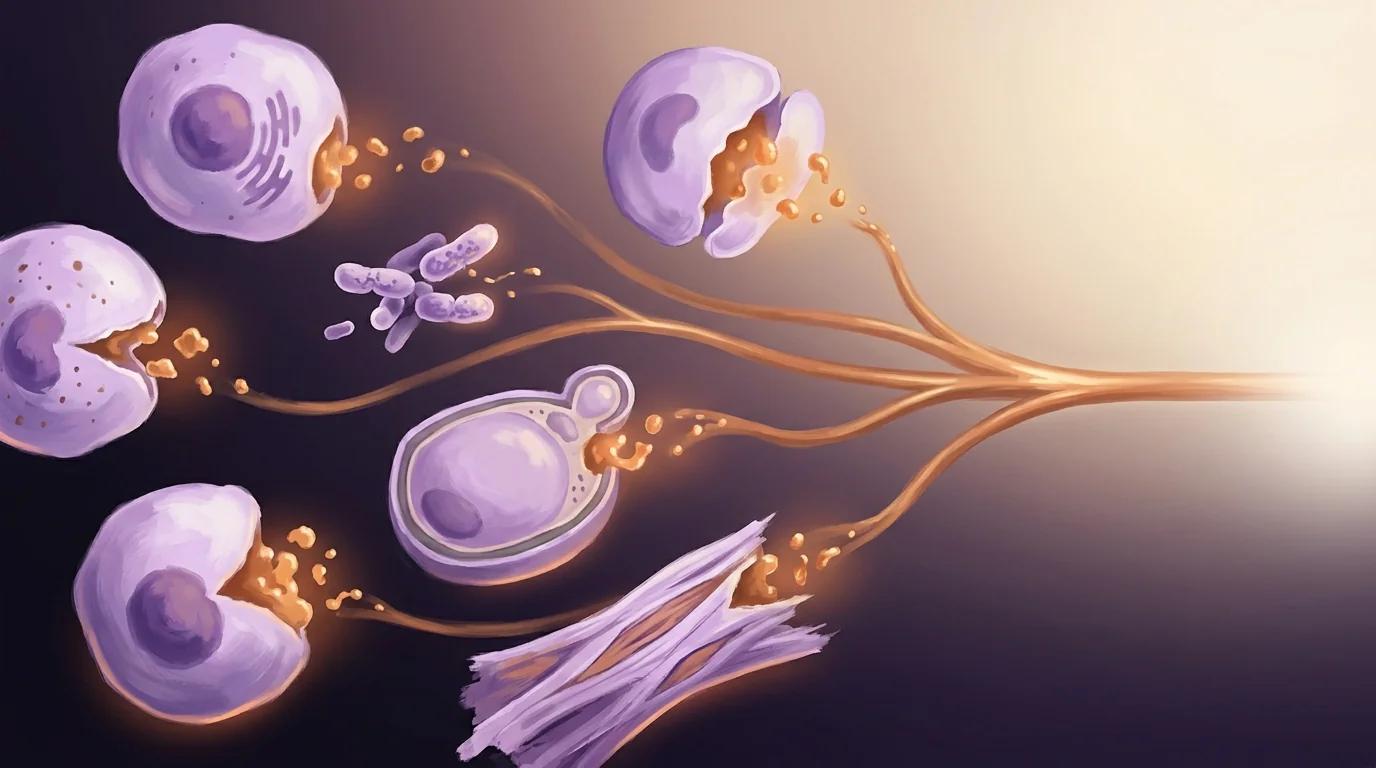
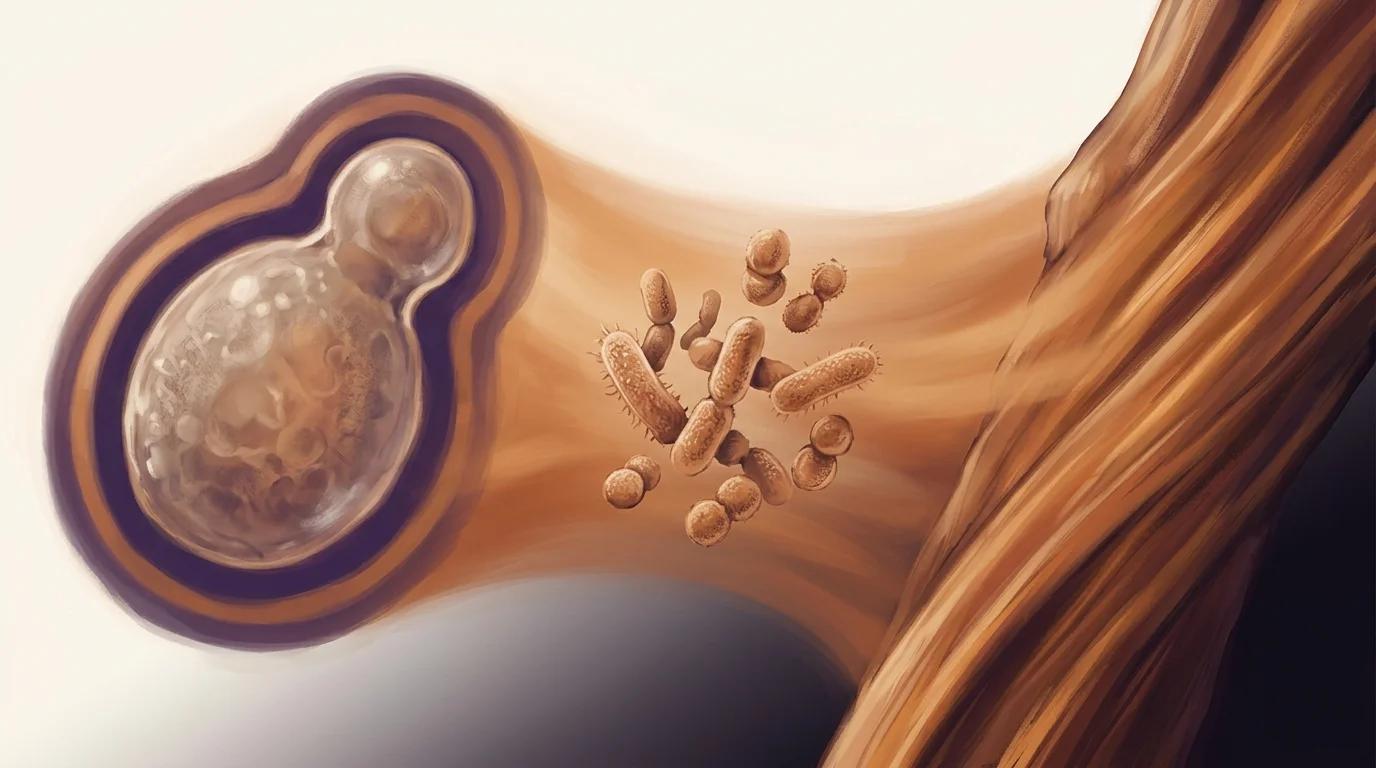
- What makes a sample “tough” is usually the wall, not the cell — yeast's chitin-glucan-mannan layer, bacterial peptidoglycan, the fibrous matrix of dense tissue.
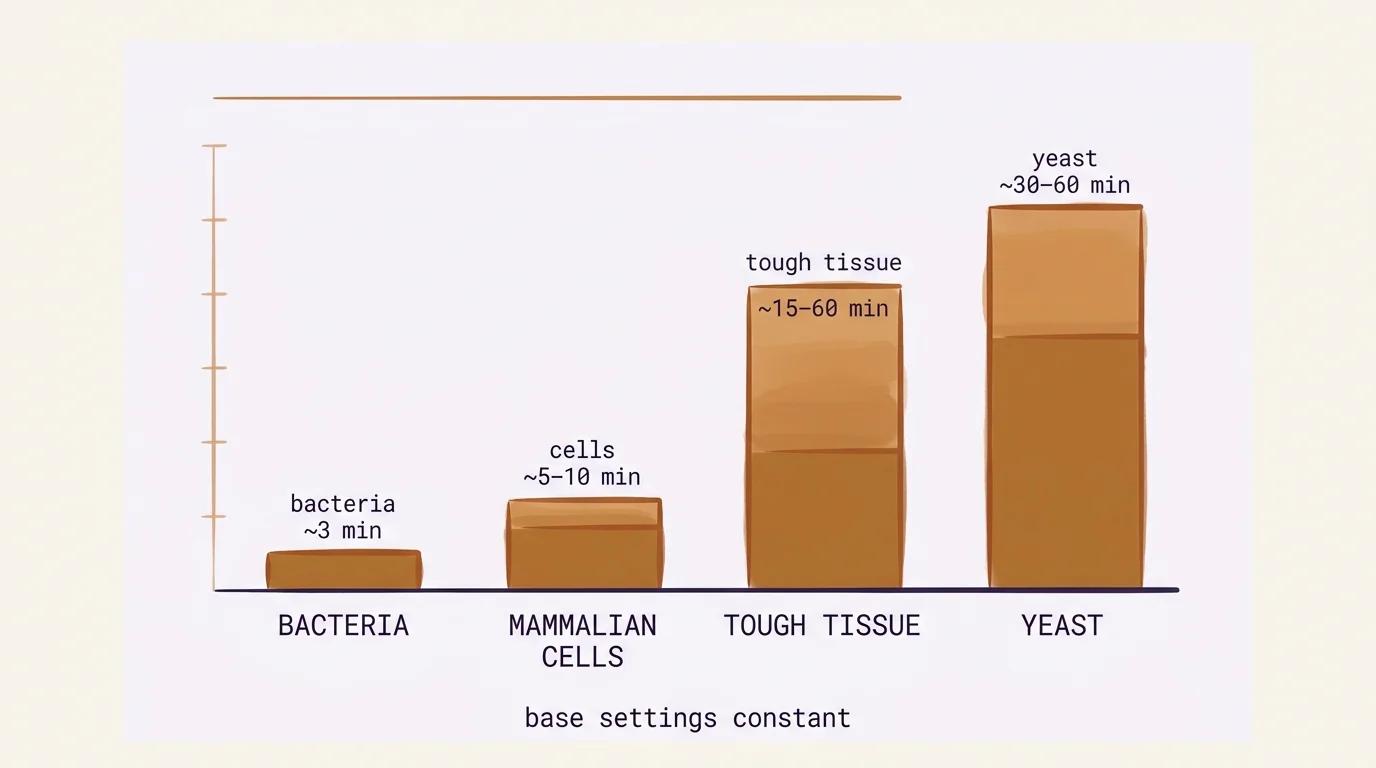
- You handle the harder ones by raising disruption time, not by changing instruments — the same plate and the same base settings, run longer for a more resistant wall.
- Each has a worked protocol — bacteria in minutes (with an enzymatic assist), yeast in tens of minutes, tough tissue in between — and different ones can share a plate.
Every operator has a sample type they brace for: the yeast that shrugged off the last three methods, the bacterial pellet that won't give up its protein, the heart tissue that's more gristle than cell. The useful way to think about those isn't “which special instrument do I need?” It's “what does this particular wall require?” — because the answer, more often than people expect, is the same instrument run a little differently.
Why some samples are “tough”: the wall, not the cell
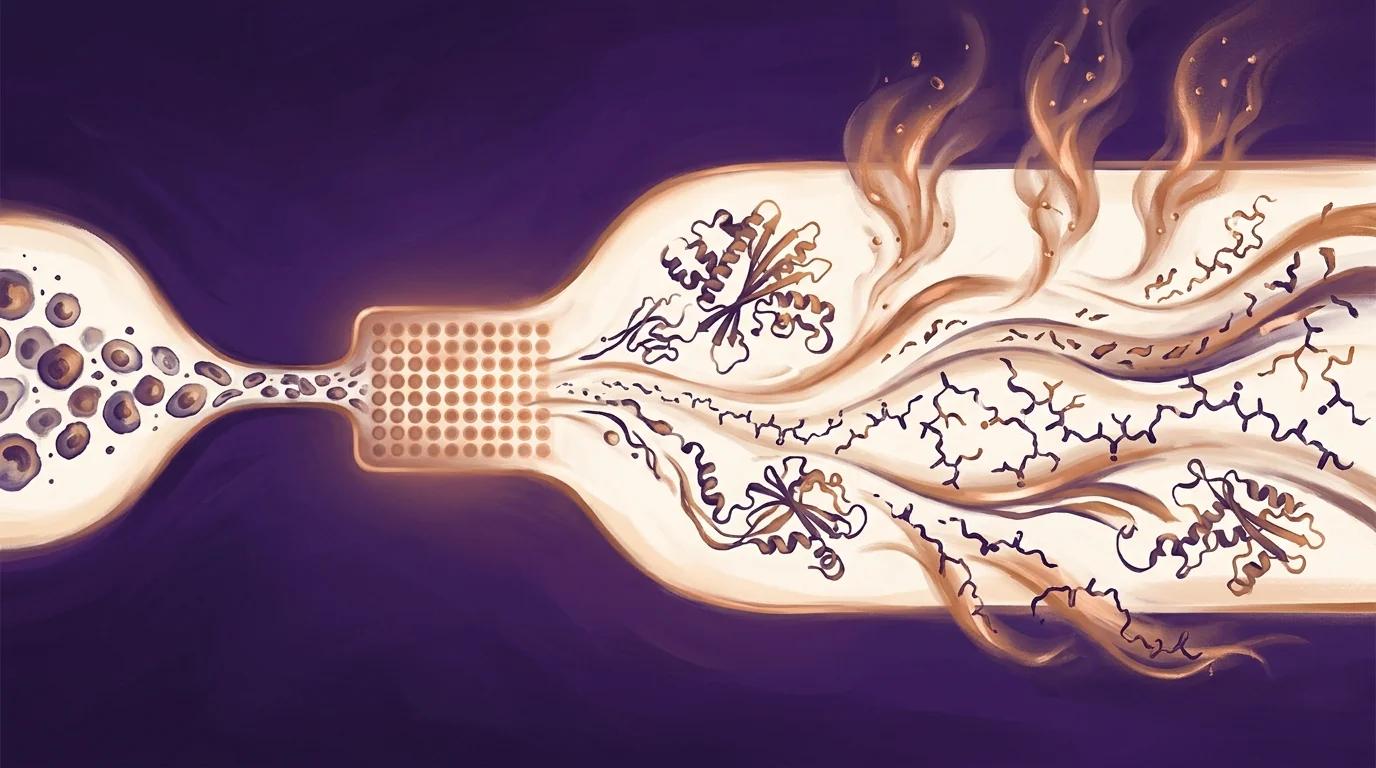
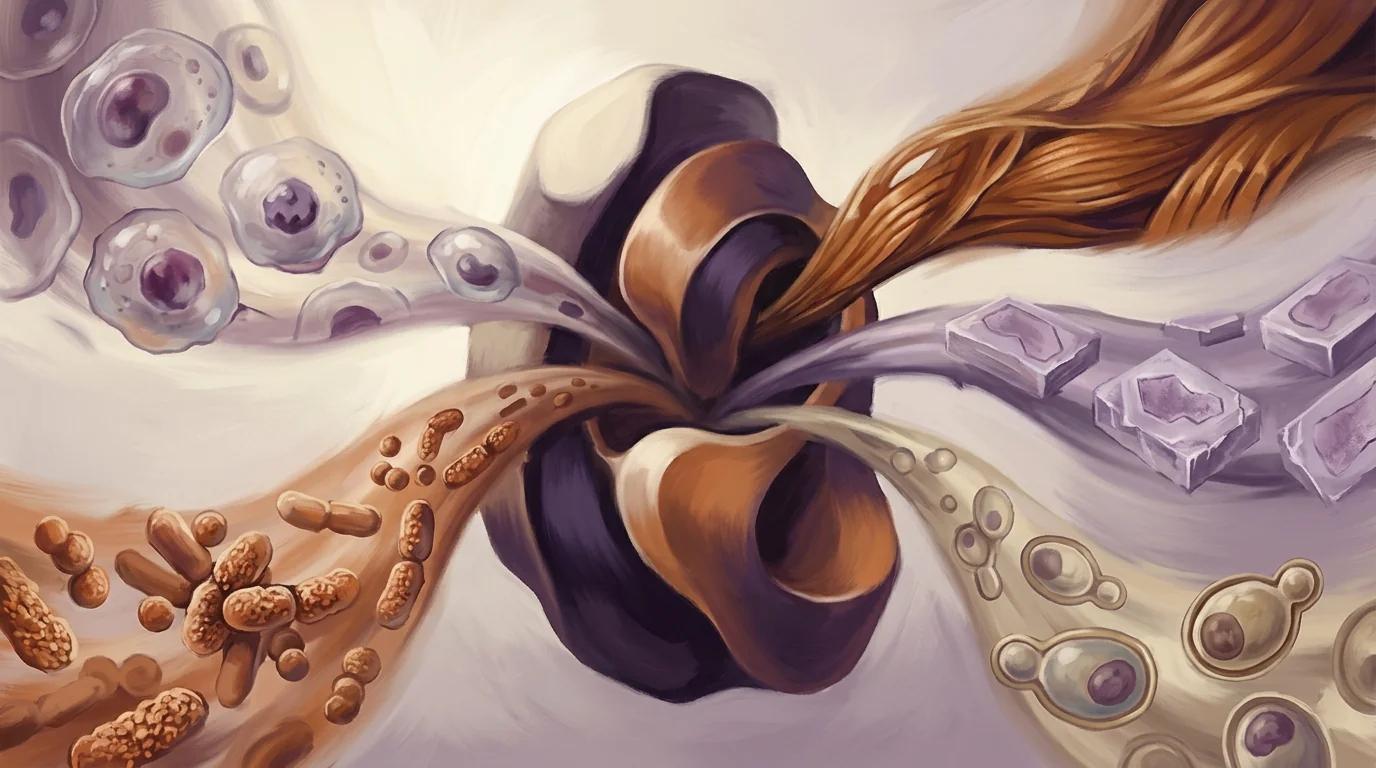
The hard part of a hard sample is almost always a barrier around the protein. Yeast carries a rigid chitin-glucan-mannan cell wall — one of the most resistant biological matrices there is, which is why it has historically demanded French press, bead-beating, or enzymatic digestion. Bacteria hide behind peptidoglycan. Dense tissue locks protein inside a fibrous structure. The disruption job is to get through that barrier without a different machine for each one.
A tough sample usually isn't a different instrument — it's a longer run.
You turn up time, not instruments
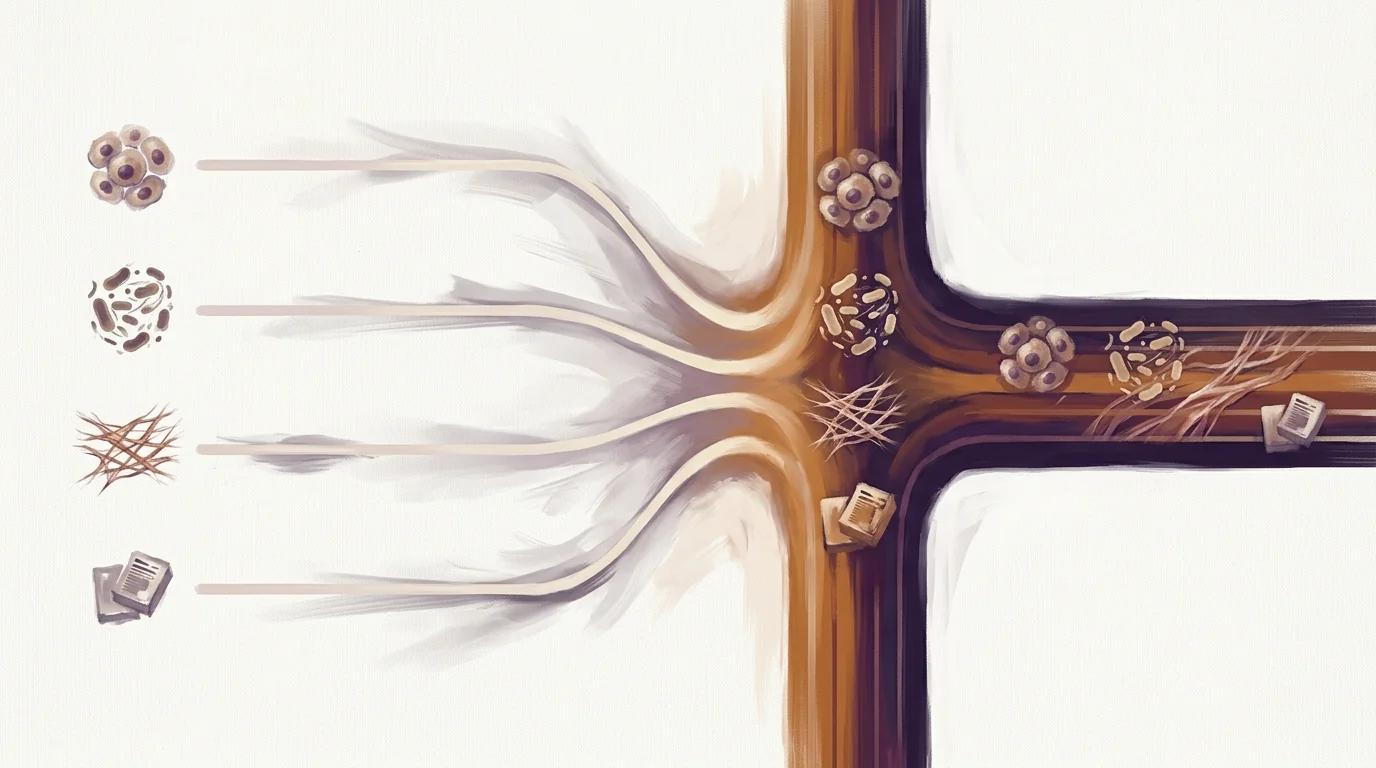
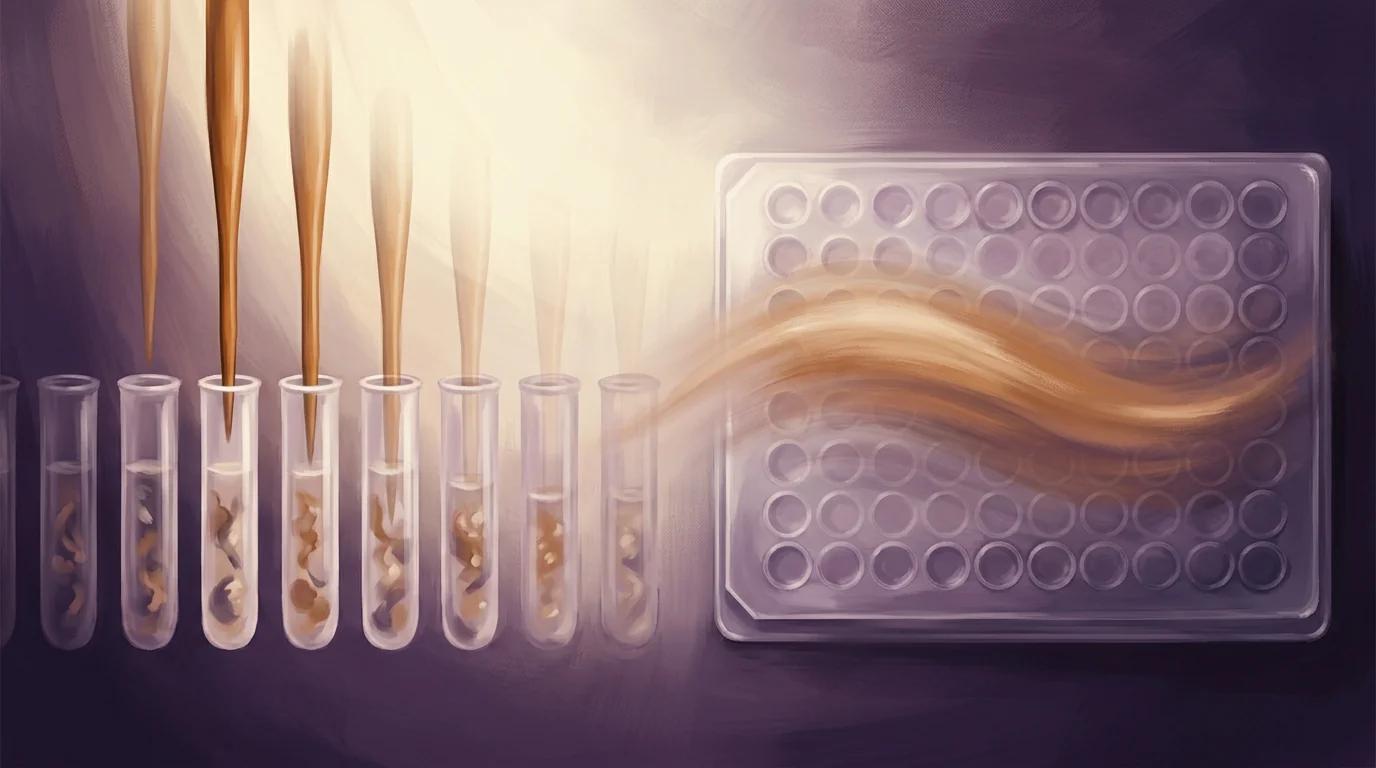
PIXUL handles the range by holding its base settings constant and varying run time by sample. The acoustic parameters stay fixed — a standard pulse, pulse-repetition, and burst — and what changes for a tougher wall is mostly how long the plate runs (the versatility that lets one plate hold a mix). So a more resistant sample doesn't mean a new protocol or a new box — it means more minutes.
Worked examples: bacteria, yeast, tough tissue
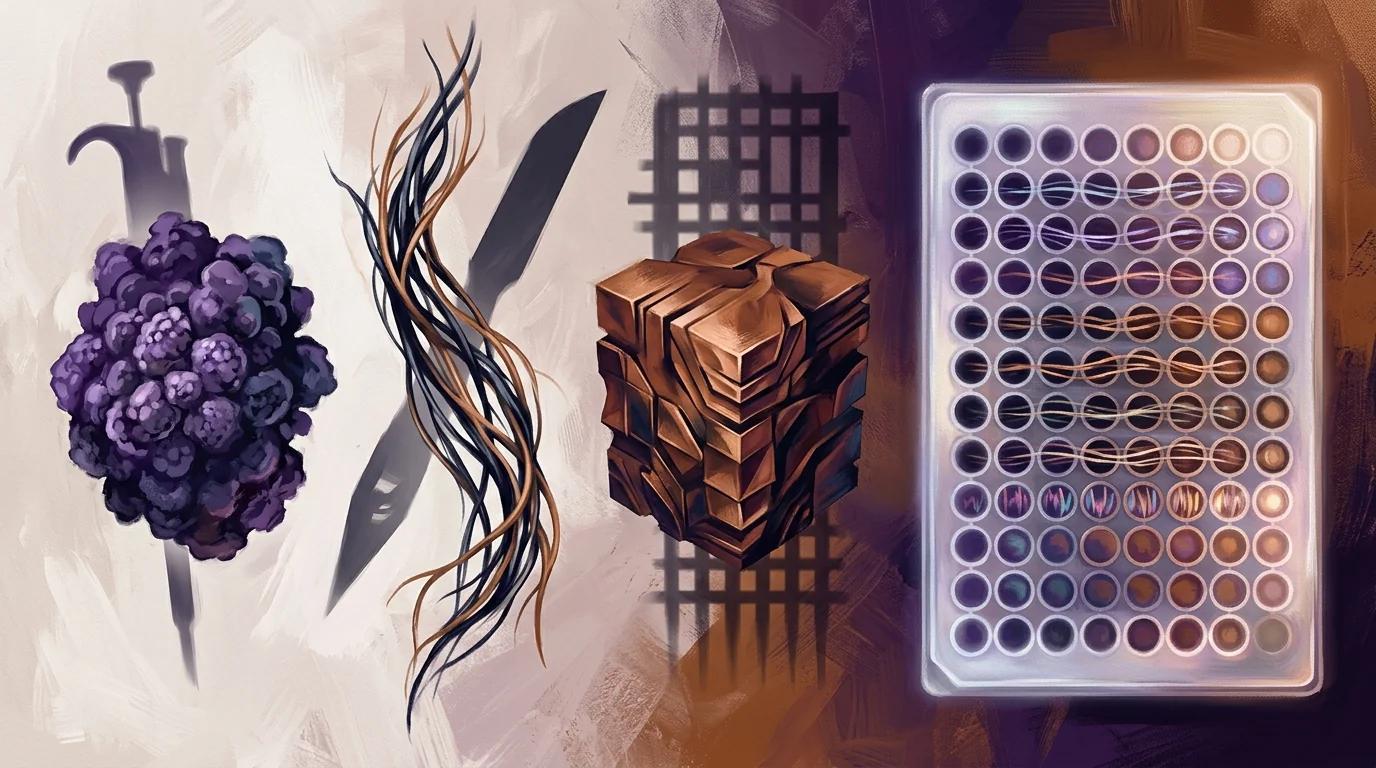
- Bacteria — minutes, with an enzymatic assist. For checking many cultures — for example, screening recombinant expression — a short ice incubation with lysozyme and a nuclease loosens the wall and clears DNA viscosity, then a ~3-minute run disrupts a full plate at once. (This protocol is built for fast, parallel screening by gel — not deep LC-MS proteomics.)
- Yeast — tens of minutes, no beads. That chitin-glucan-mannan wall takes longer: a run on the order of 30–60 minutes in an SDS-based buffer, which is what lets a plate-based sonicator stand in for French press or bead-beating on yeast.
- Tough tissue — in between, sometimes with a pre-step. Dense tissue runs longer than cells, and for the very hardest material some labs first dice it or run a pressure-cycling pre-step before sonication.
A practical upshot of holding the base settings constant: a mix of these can run on one plate, each sample type given its own time.
The honest edge: the sample that still resists
No method clears everything, and it's worth saying where the edges are. On the toughest tissue, a small insoluble fraction can remain after a run — usually material you wouldn't have wanted anyway, but worth knowing. And for a genuinely extreme matrix, a dedicated mechanical method can still be the better tool; this isn't a claim to out-lyse bead-beating on its hardest day (when mechanical pre-disruption still wins). The point is the range one instrument covers, not a claim that it covers everything (how range is the deciding factor for a core).
“Will it handle my hardest sample?”
Will it lyse the one I'm sure will fail? For a lot of tough material — cell-wall organisms, dense tissue — turning up energy and time does get the protein out, which covers more of a core's “difficult” list than people expect. For a truly extreme matrix, an honest evaluation may still point to mechanical disruption, and we'll say so. The way to settle it isn't a spec sheet — it's your hardest sample, on the instrument.
Will it lyse the one I'm sure will fail?
Bring it. For most of what gets labeled “tough” — cell-wall organisms in the 30–60 minute range, dense tissue between cells and yeast, bacteria in a few minutes with an enzymatic assist — turning up disruption energy and time on the same plate does get the protein out. For a genuinely extreme matrix that truly needs mechanical shearing, mechanical may still win, and an honest evaluation will say so (see the side-by-side). The way to settle it is the sample you're sure will fail, run on the instrument — not a spec sheet.