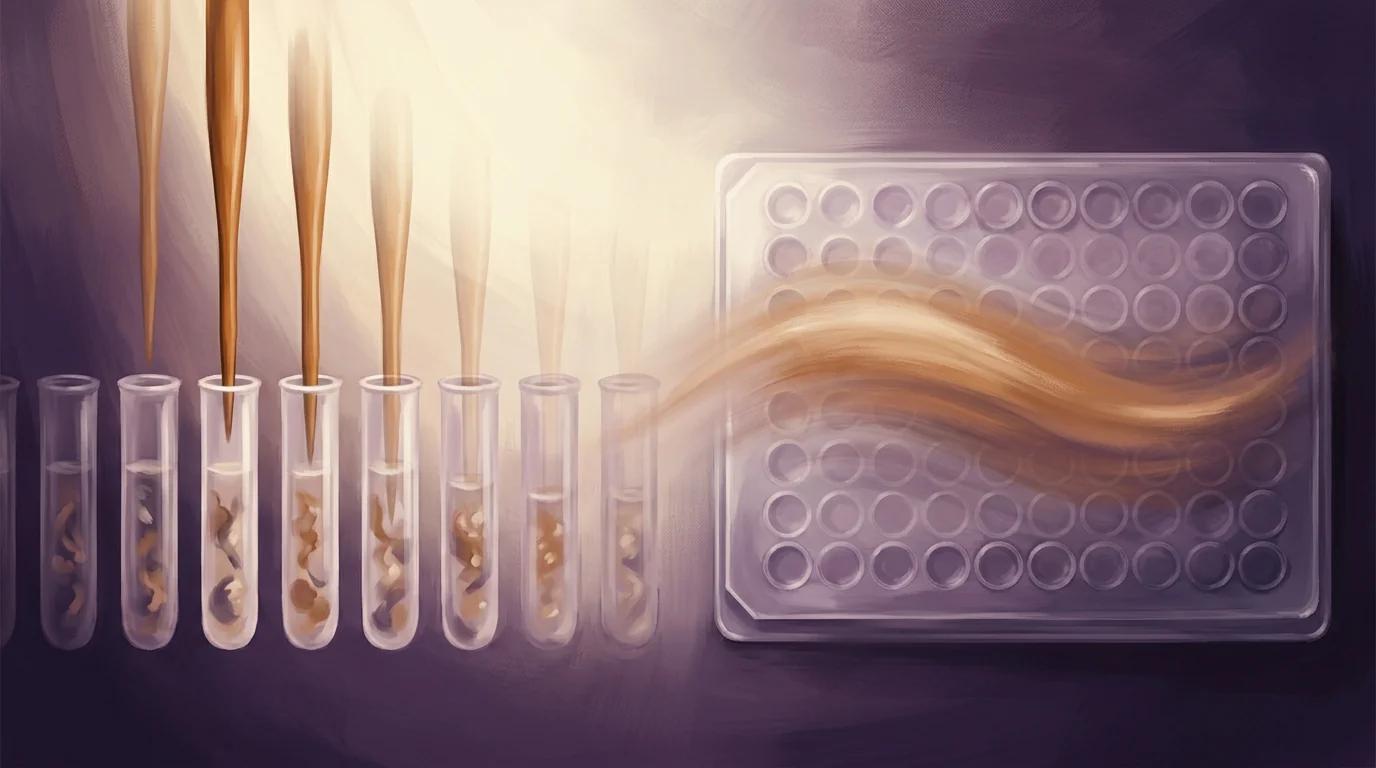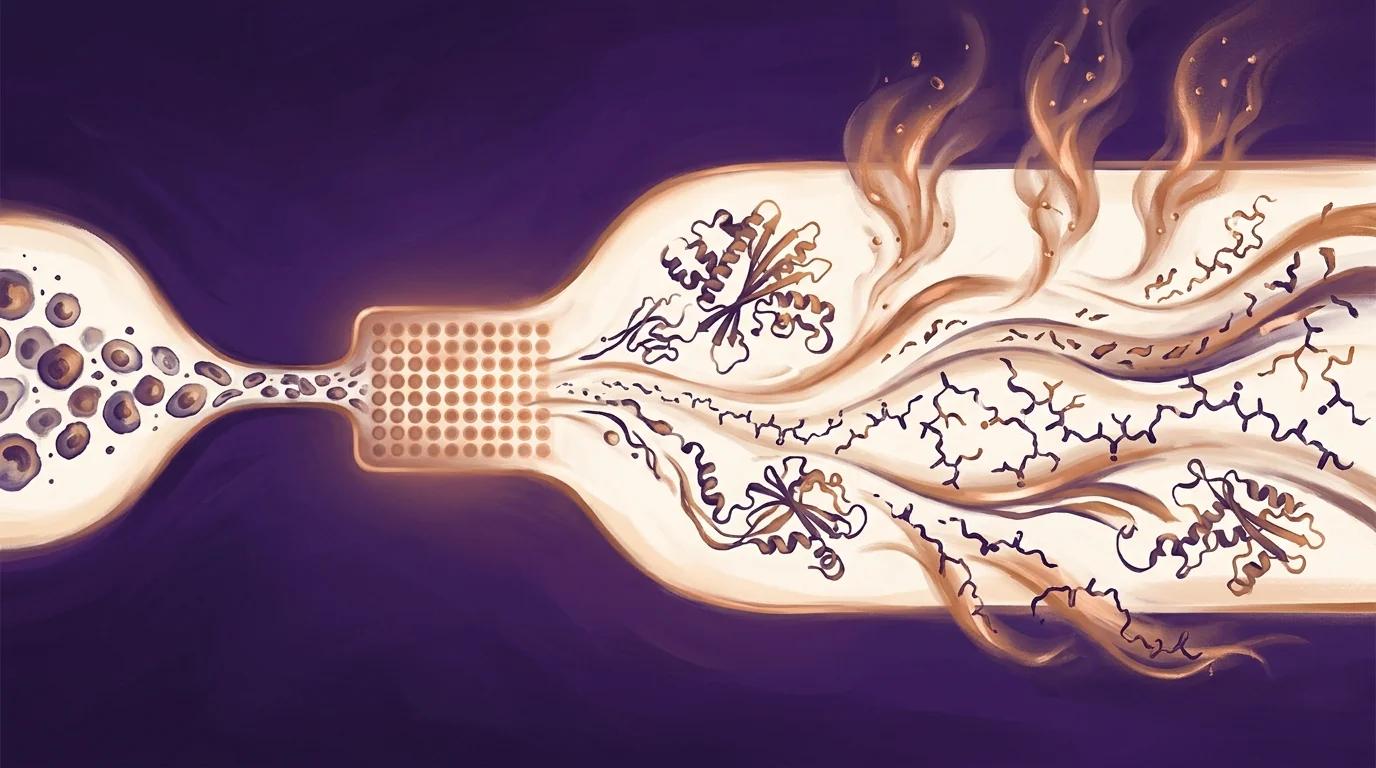

- For a shared proteomics core, the right sample-prep instrument is the one that handles the widest range of sample types — cells, bacteria, tough tissue, FFPE — not the one that does a single task best.
- Versatility now matters more than peak specialization because budgets are flat, demand is rising, and the same samples increasingly feed proteomics and genomics in the same building.
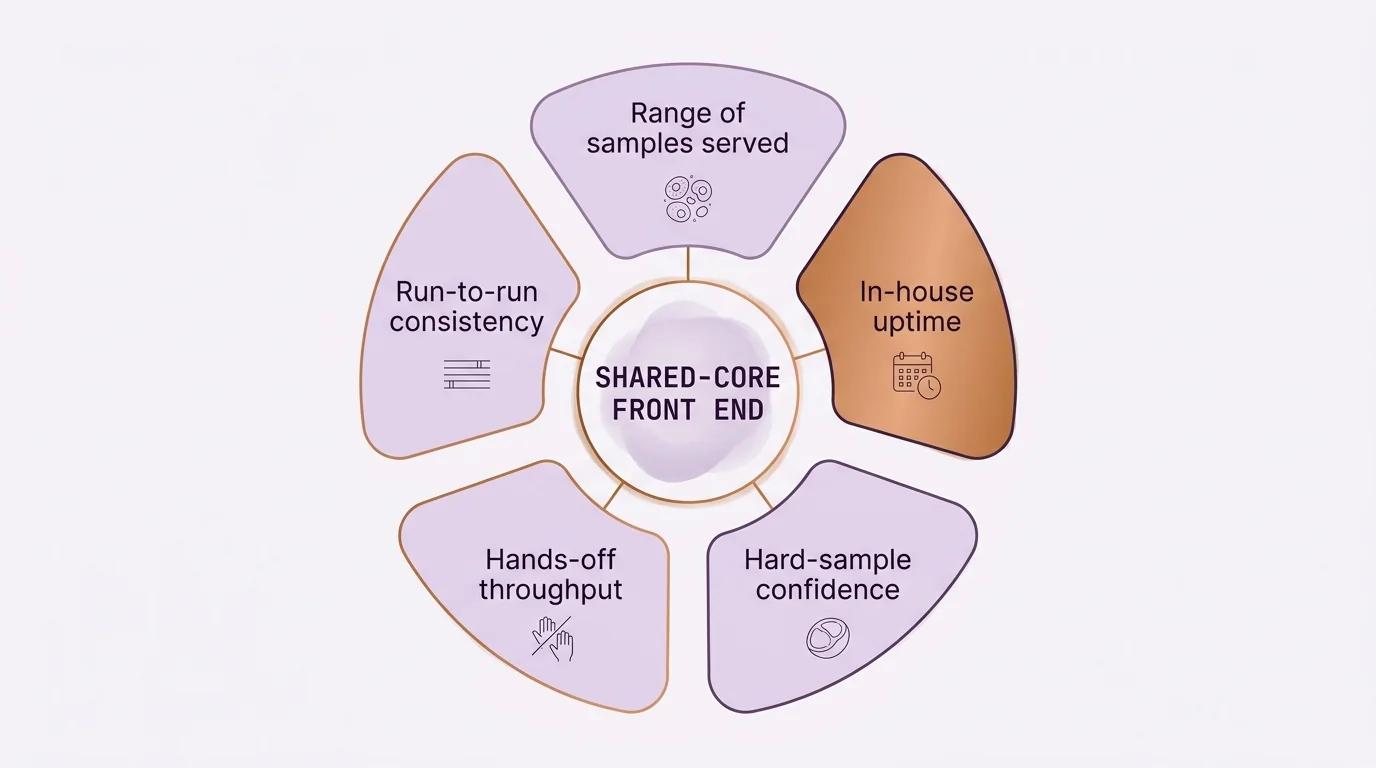
- The decision depends on five things a spec sheet rarely captures: range of samples served, in-house uptime, hard-sample confidence, hands-off throughput, and run-to-run consistency.
- What meets that profile is a high-throughput multi-sample sonicator that disrupts a full 96-well plate in one run — adjusting energy per column rather than per instrument; the proof is in peer-reviewed proteomics work, not a brochure.
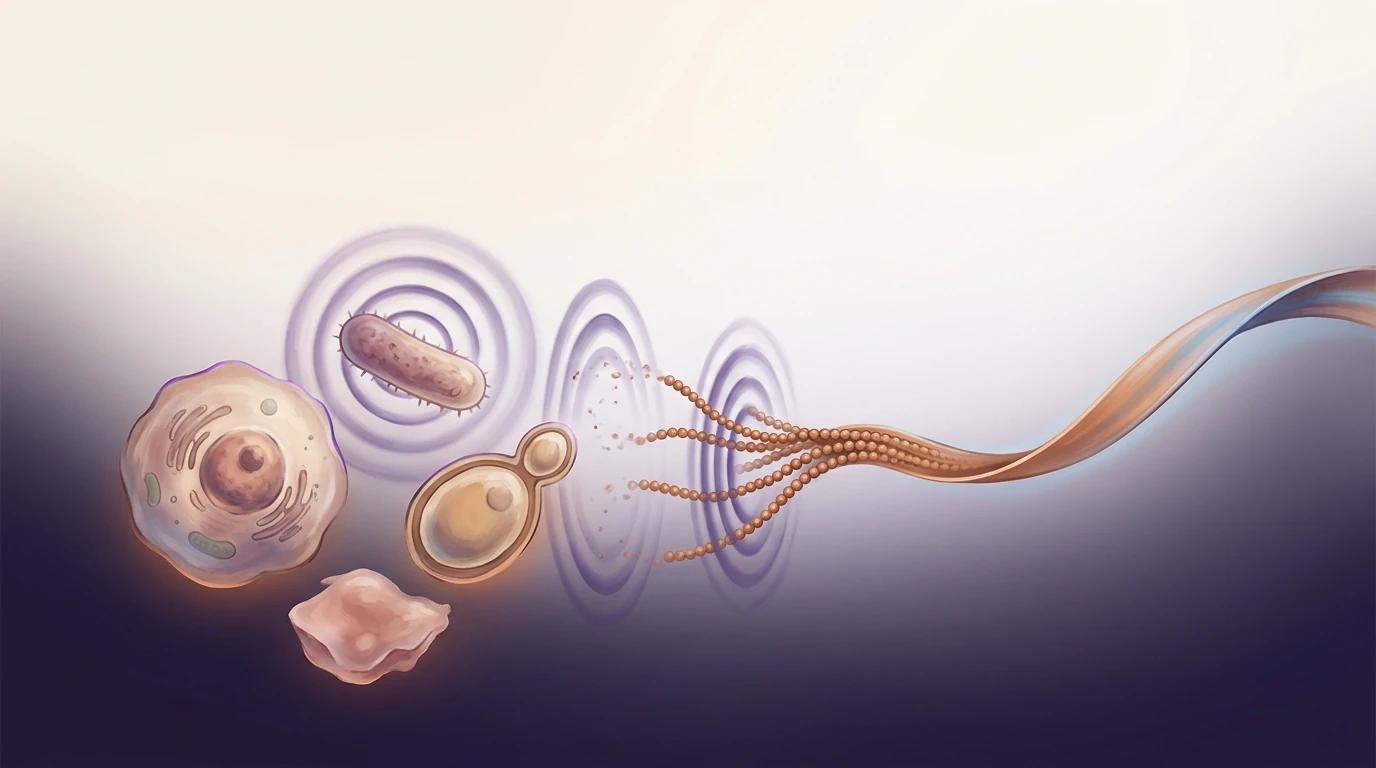
A shared proteomics facility is judged on a simple thing: how many different research questions it can take on. Every investigator who walks in brings a different organism, a different sample, a different question — mammalian cells, bacterial pellets, a plant tissue someone swears won't lyse, a tray of archived clinical blocks. The job is range. And the instrument that decides whether a core can serve that range isn't the mass spectrometer. It's the front end — the step that gets clean protein out of whatever shows up.
This guide lays out what a multi-PI core actually needs from that front-end instrument, why the old "a tool for every problem" approach has stopped working, and how to evaluate the alternatives on the criteria that hold up at scale.
A new instrument for every sample type quietly bankrupts the bench
For years, the answer to a new sample type was a new instrument: a dedicated tool for hard tissue, another for small batches, a specialist box for the high-value work. Each purchase solved a real problem. Together they did something less useful — they turned a finite budget into a shelf of single-purpose equipment, most of it idle most of the time, none of it able to cover for the rest.
Two pressures have made that model untenable. Budgets stopped growing while demand didn't — more groups, more sample types, more requests per instrument every month. And proteomics stopped arriving on its own: the same cohort a lab hands the core for protein is increasingly the one the genomics group wants for something else. A facility measured on how many questions it can take on can't afford a bench where every instrument answers exactly one.
What good looks like now: five criteria a spec sheet misses
When the question shifts from "what runs my current protocol best?" to "what absorbs the questions I can't predict yet?", the evaluation criteria change. Five hold up across a real multi-PI workload:
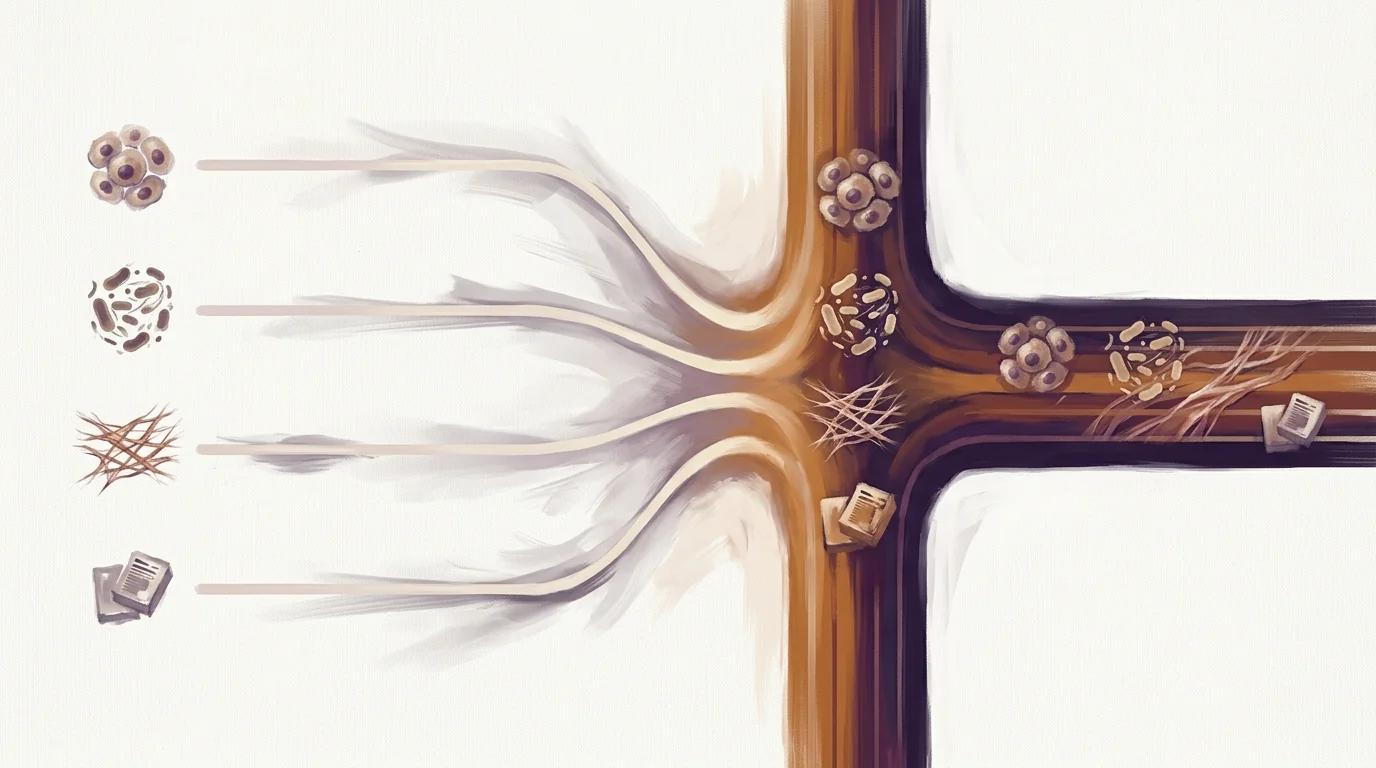
- Range of samples served — one instrument that prepares cells, bacteria, tough tissue, and FFPE, ideally on the same plate.
- In-house uptime — installs and maintains without waiting on a field engineer; a shared core can't have its front end down for a week.
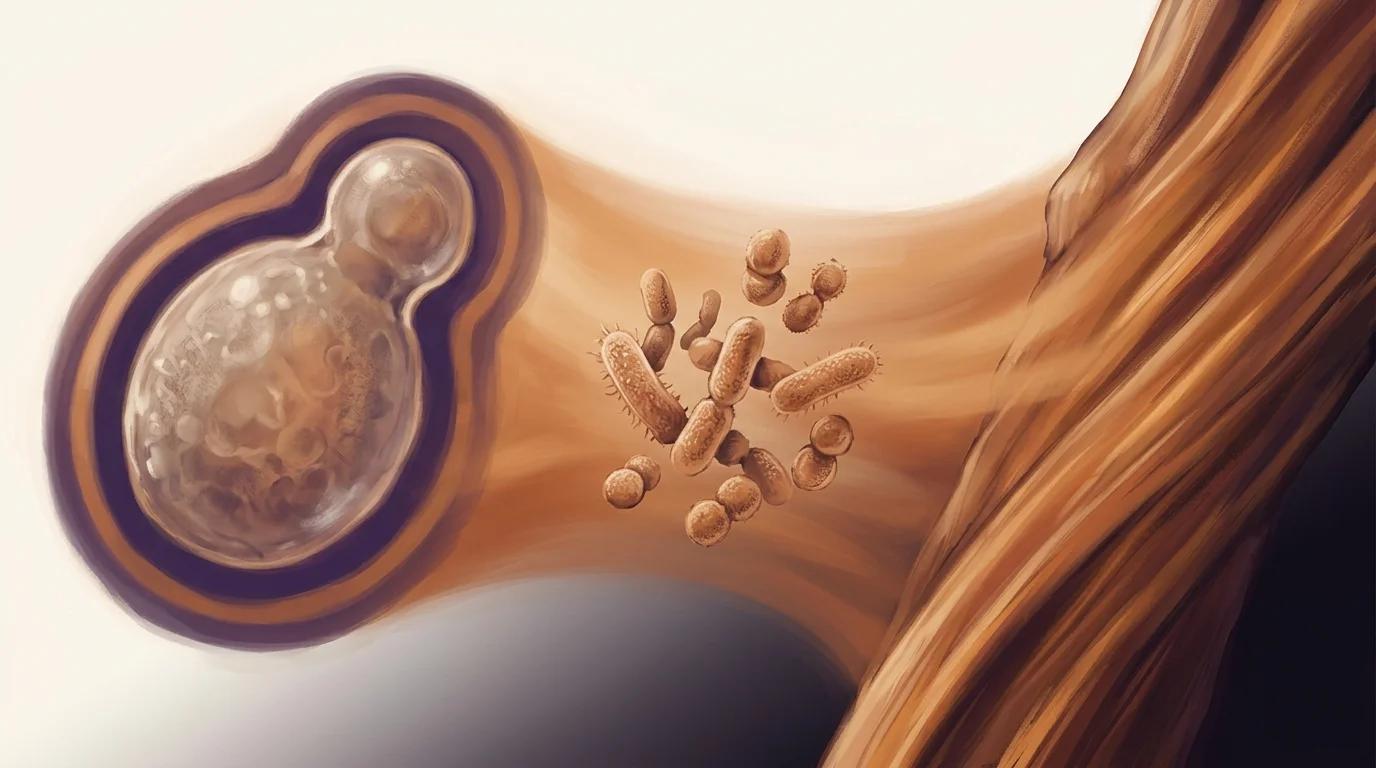
- Hard-sample confidence — the scary material (cell wall, slime, tough tissue, fixed blocks) actually lyses and gives protein.
- Hands-off throughput — a full plate prepared in one run, not an operator standing at a probe for half a day.
- Run-to-run consistency — the same result in well 1 and well 96, every run, so a method holds.
Notice what's not on that list: the single deepest specification for one task. A core optimizing for peak performance on today's protocol buys a bottleneck for tomorrow's.
An emerging answer: the high-throughput multi-sample sonicator
This is the profile PIXUL was built to fit. Rather than a tool tuned for one sample type, it disrupts cells and extracts protein from a full 96-well plate in a single hands-off run, and lets you adjust energy and time per column rather than per instrument — cells in one column, tough tissue in the next, on the same plate. The category is a high-throughput multi-sample sonicator: a front-end instrument designed to absorb a core's range rather than specialize within it.
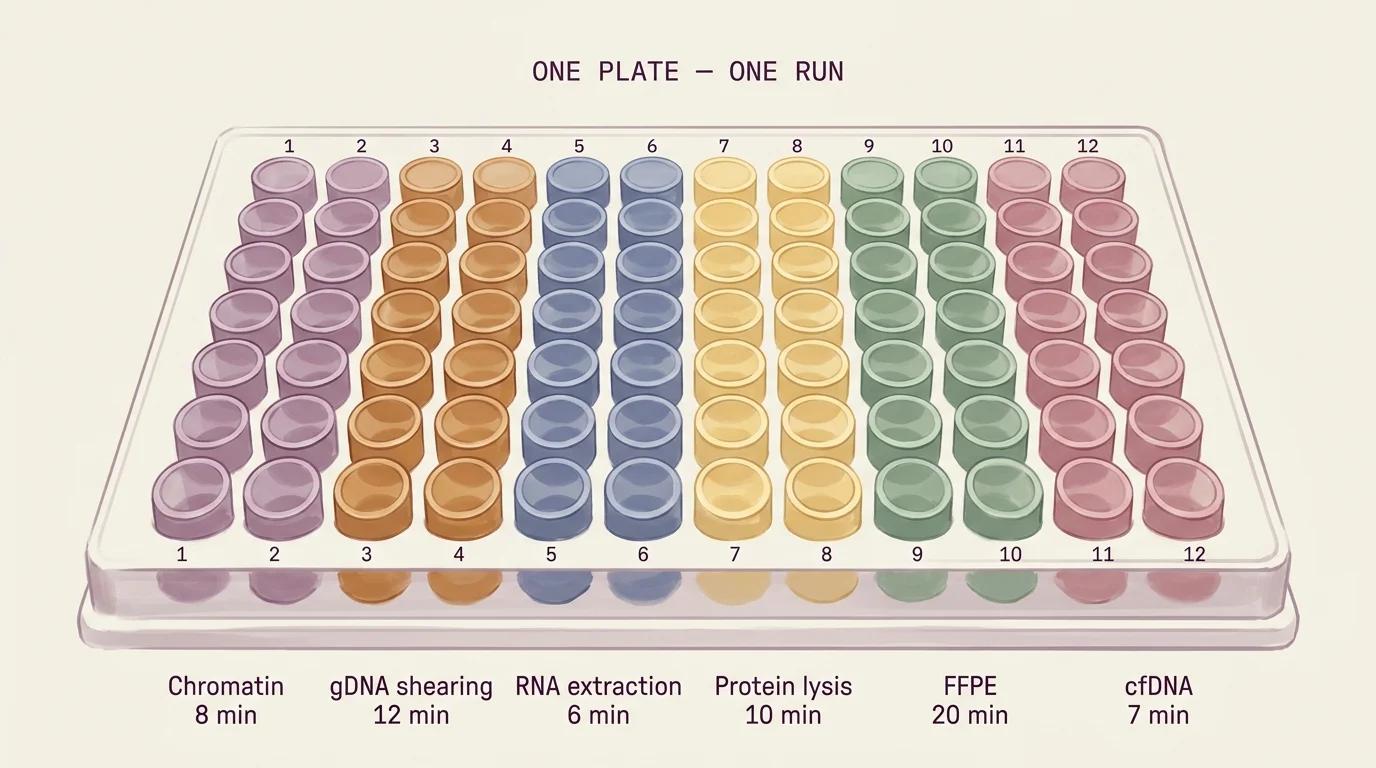
One instrument that covers the range is worth more than several that each cover a slice.
The point isn't that it's the only way to prepare a sample. Plenty of methods work, and any general-purpose instrument has to be honest about its edges — the rare sample that genuinely needs a different approach. The point is narrower and more useful to someone running a core: one instrument that covers the range is worth more than several that each cover a slice.
Where the evidence already points
The case rests on results, not adjectives:
- Protein recovery holds up against the method it replaces. In peer-reviewed proteomics work, protein yield and peptide identifications from the multi-sample sonicator are comparable to probe sonication — the legacy approach it consolidates.
- Consistency is measured, not asserted. Reproducibility across all 96 wells of a plate has been documented in the peer-reviewed literature, which is what lets a core build a method on it.
- It earns its place in practice. Scientists who run busy proteomics cores, asked how they actually choose equipment, put versatility first — ahead of throughput, ahead of cost. The deciding factor was the ability to serve different research questions. Everything else was negotiable.
These are validated in peer-reviewed publications rather than promised — the standard of proof a core lead should hold any front-end instrument to.
Common questions cores ask
Will it handle our hardest samples?
Adjustable acoustic energy and time disrupt cell-wall organisms and tough tissue that operators expect to fail, and the protein comes out. For the rare specialty case that needs a different method, an honest evaluation says so.
Is it dependable enough to be a backbone instrument?
It installs over a call, and your own team changes the fluid and filters in minutes — no service-contract dependency to keep a shared core running.
How do cores justify the capital?
Frame it as one versatile, self-maintained instrument replacing several single-purpose ones, plus the bench space and uptime that consolidation returns — not a per-plate cost comparison.
How does it compare to what we run now?
Against a small-batch water-bath sonicator, it's the upgrade past the dozen-tube ceiling. Against probe sonication, it's hands-off and runs many at a time instead of one-at-a-time.
What to do before the next single-purpose purchase
The most valuable sample-prep instrument in a proteomics core is rarely the most specialized one. It's the one that lets the core stop turning work away.
So before the next front-end purchase, define what your facility actually has to cover over the next few years — not just today's protocol, but the dozen requests you can't predict yet — and evaluate against the five criteria above. The instrument that absorbs the widest range, dependably, on the budget you actually have, is the one that earns its place.