- In a proteomics core, the throughput bottleneck is usually the disruption step — not the mass spec. Acquisition and prep have scaled, but a probe still runs one sample at a time.
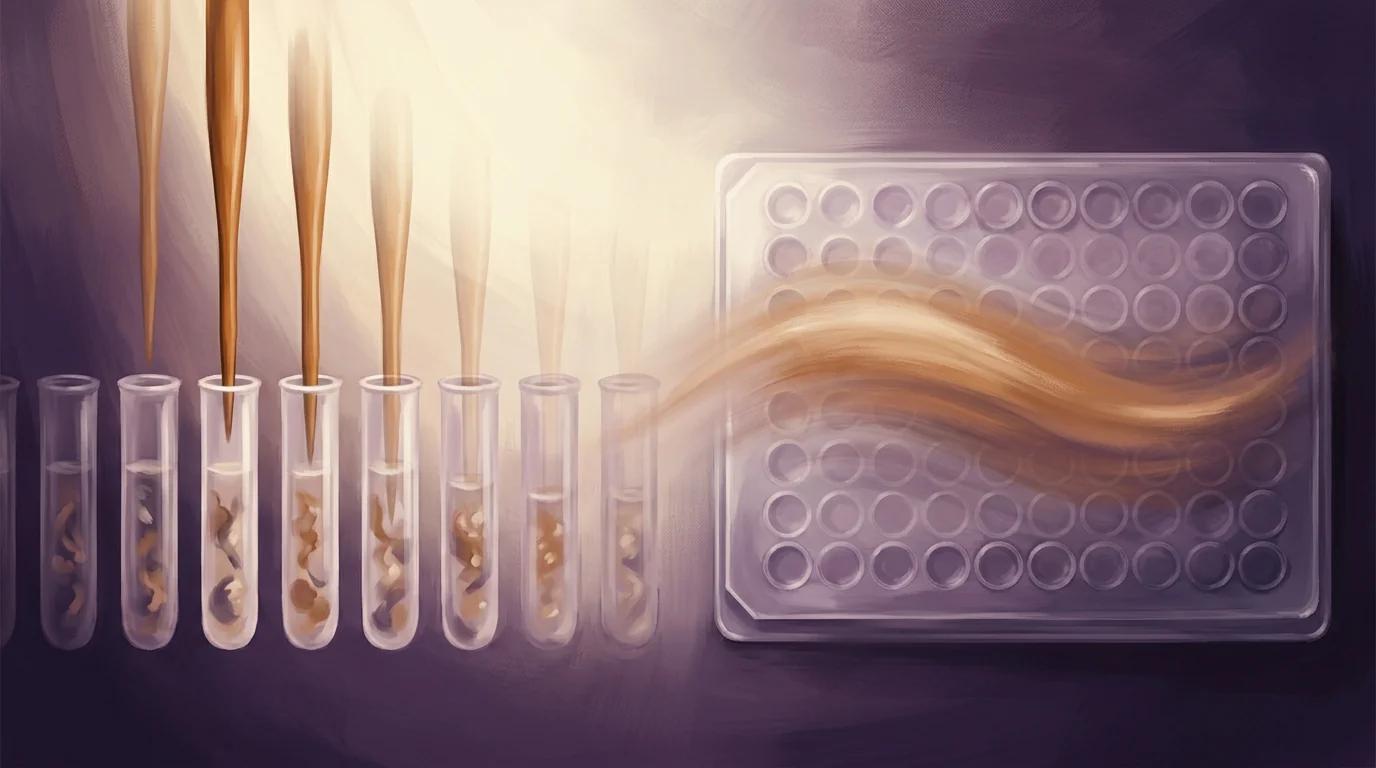
- A serial front end caps how many cohorts a core can take on: a 96-sample study can lose a morning to one-at-a-time disruption before it ever reaches the instrument.
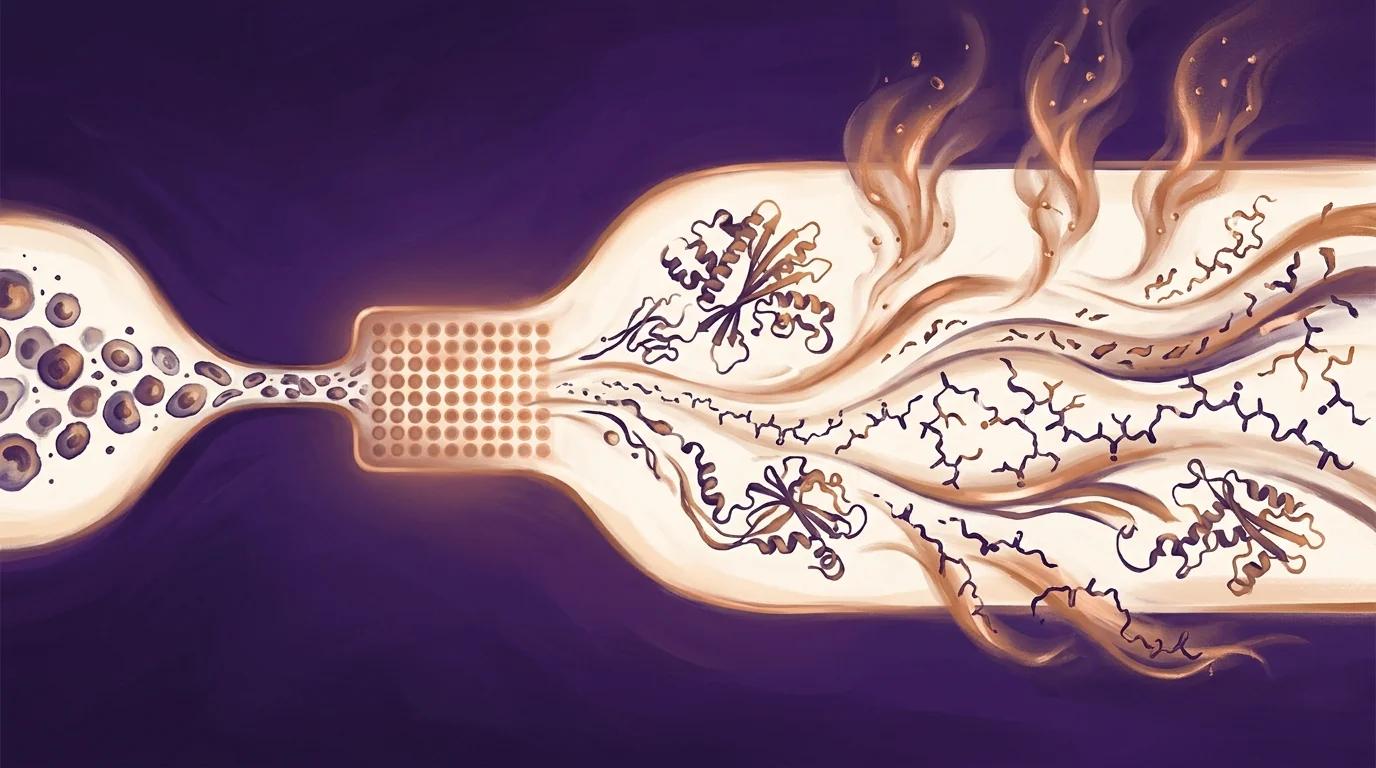
- A full plate disrupted in one hands-off run keeps the front end from being the bottleneck — and keeps the samples in the plate format the rest of the pipeline already uses.
Look at how a modern proteomics workflow is built, and most of it is designed for scale. The mass spec runs samples off an autosampler around the clock. Digestion and clean-up increasingly happen in plates. Where genomics is in the loop, library prep runs on a liquid handler. Step by step, the pipeline has been engineered to handle more without more hands.
Then there's cell disruption. For a lot of cores, that step is still a probe and an operator — one sample in, sonicate, reset, next sample — for the better part of a morning. It's the one stage that didn't scale with the rest, and in a busy core it quietly sets the pace for everything downstream of it.
A pipeline built for scale everywhere except the front end is only as fast as the step that still runs by hand.
Your proteomics pipeline scales everywhere except cell disruption
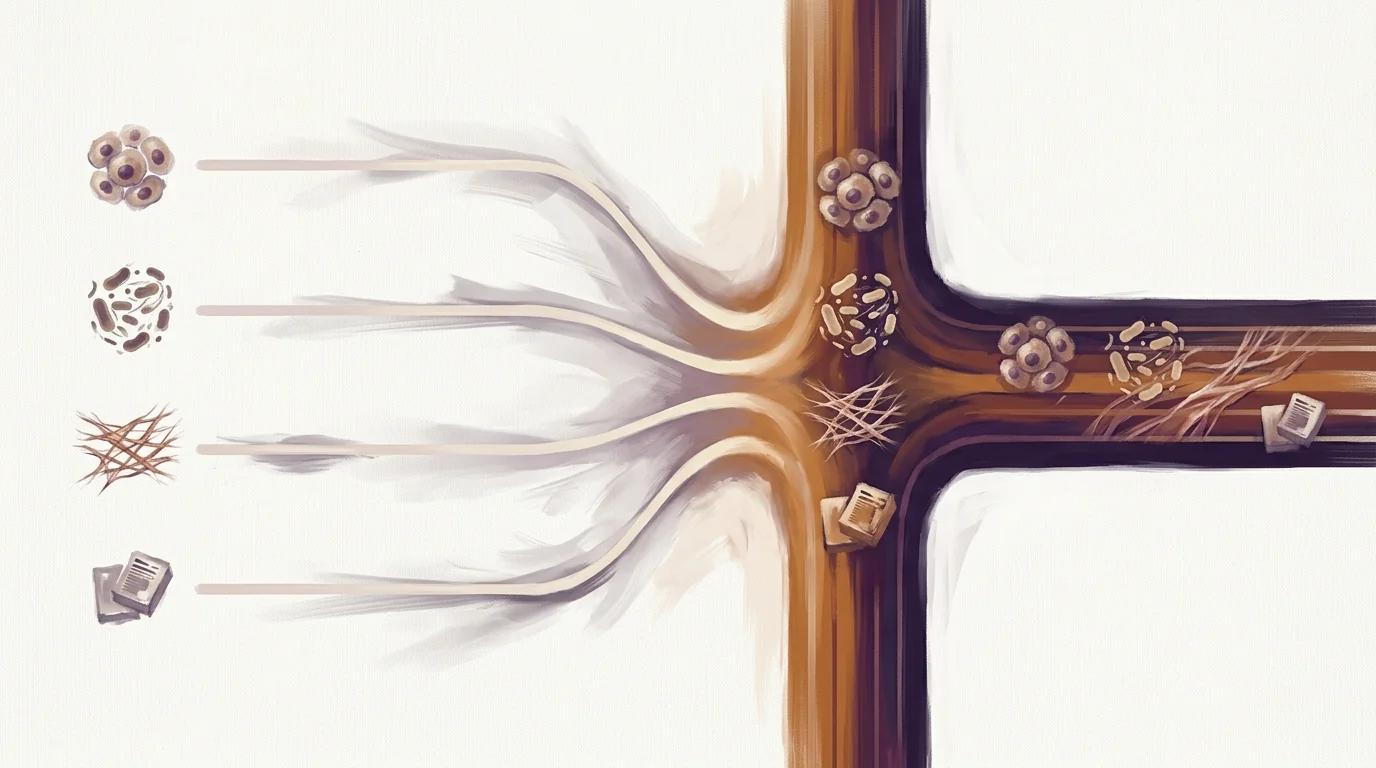
It's worth tracing the pipeline end to end and noticing where the hands actually are. Acquisition is automated. Prep is plate-based. Library prep, when it's in the loop, runs on a liquid handler. The picture isn't a workflow with one slow step — it's a workflow that's scaled everywhere except the front end, with disruption sitting in the middle of an otherwise continuous flow as the one stage that still needs an operator at the bench.
A serial disruption step caps how many cohorts the core can run
The cost isn't abstract. A 96-sample cohort the mass spec could acquire in a day can take a full morning just to disrupt, one tube at a time, before it ever reaches the instrument. Multiply that across the projects in the queue and the front end — not the analytics — is what decides how many studies the core can accept.
PIXUL closes that gap by disrupting a full 96-well plate in a single hands-off run. You load the plate and start it, and the serial step that used to gate the pipeline becomes one unattended run — in the same plate format the rest of your workflow already uses, so nothing has to be re-tubed to move downstream.
Hands-off throughput frees the scarce resource — the scientist's time
Why does hands-off matter more than raw speed here? Because the bottleneck was never really the instrument — it was the person tied to it. A method that needs a scientist present for every sample doesn't free the core to take on more; it just keeps one person busy clearing the queue.
An unattended plate run gives that time back. The scientist who would have spent the morning at the probe can run analysis, start the next prep, or move another project forward while the plate runs itself. For a core measured on how much it can take on, that returned time is the throughput that actually counts (the same time that keeps the core's uptime in its own hands).
Isn't a probe fine for just a few samples?
For a handful of samples, isn't a probe perfectly fine?
Yes — at that scale the hands-on time is trivial and a probe is a reasonable tool. This is a throughput argument, not an always-better one. It only bites when the run is a full plate: that's the point where one-at-a-time disruption turns into the morning-long bottleneck, and a single unattended run is what keeps the front end from setting the core's ceiling (how the two compare, head to head).
Match the front end's throughput to the rest of your pipeline
If the rest of your pipeline has been built to handle more — automated acquisition, plate-based prep — it's worth asking whether the disruption step still keeps up, or whether it's quietly become the ceiling. Evaluate the front end against the throughput of everything downstream of it, not in isolation (the full evaluation framework). The step that runs a full plate unattended, in your pipeline's own format, is the one that stops being the bottleneck.
Run a real cohort through it — load 96 of your own samples, start the run, and see whether the front end still sets your pace. Book a working demo →