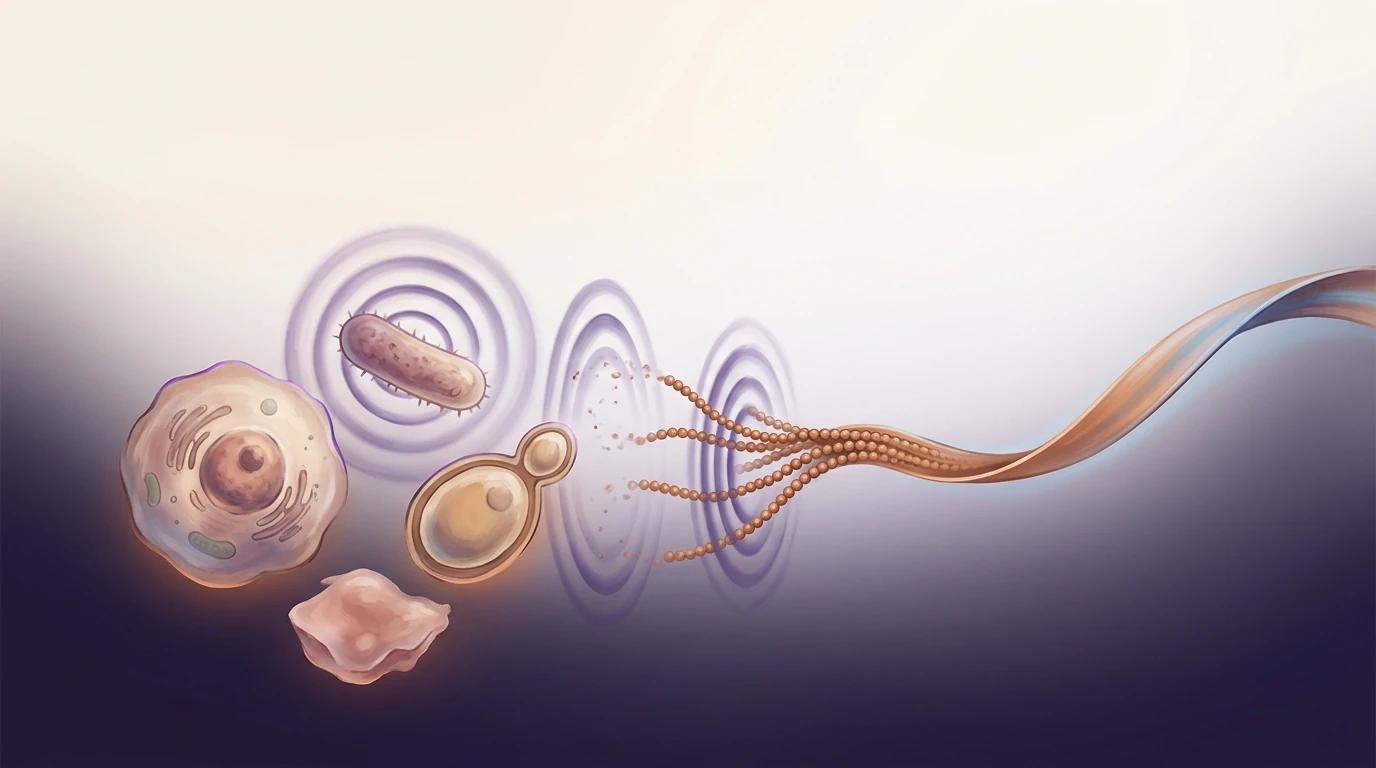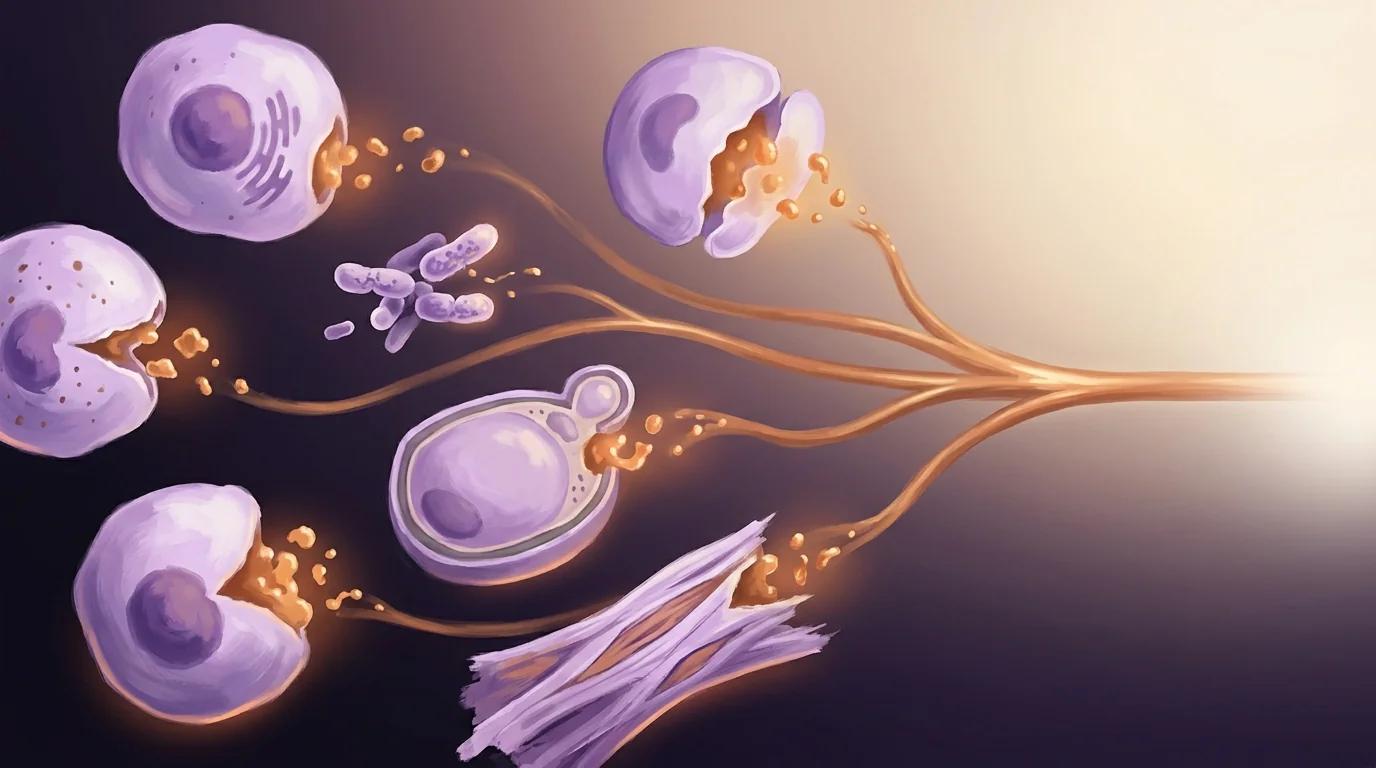
- PIXUL is the front-end step: it disrupts cells and solubilizes protein from a 96-well plate — everything downstream (cleanup, digestion, LC-MS) stays the workflow you already run.
- It's a drop-in, not a rebuild — standard plates and standard reagents in and out, so the disruption step changes while the rest of the pipeline doesn't.
- What it replaces is the manual, serial part of the front end — the probe (or a pre-disruption step) that used to gate the whole run.
A proteomics core's pipeline is mostly a settled thing. Reduction and alkylation, digestion, peptide clean-up, the LC gradient, the mass spec and its search — those steps are standardized, documented, and rarely the part anyone wants to touch. The step that's least settled, and most manual, sits right at the front: getting clean, solubilized protein out of whatever sample came in. That's the slot PIXUL fills (what a core needs from that front end), and the useful thing to understand is how little of the rest it asks you to change.
A proteomics pipeline, step by step — and where the front end sits
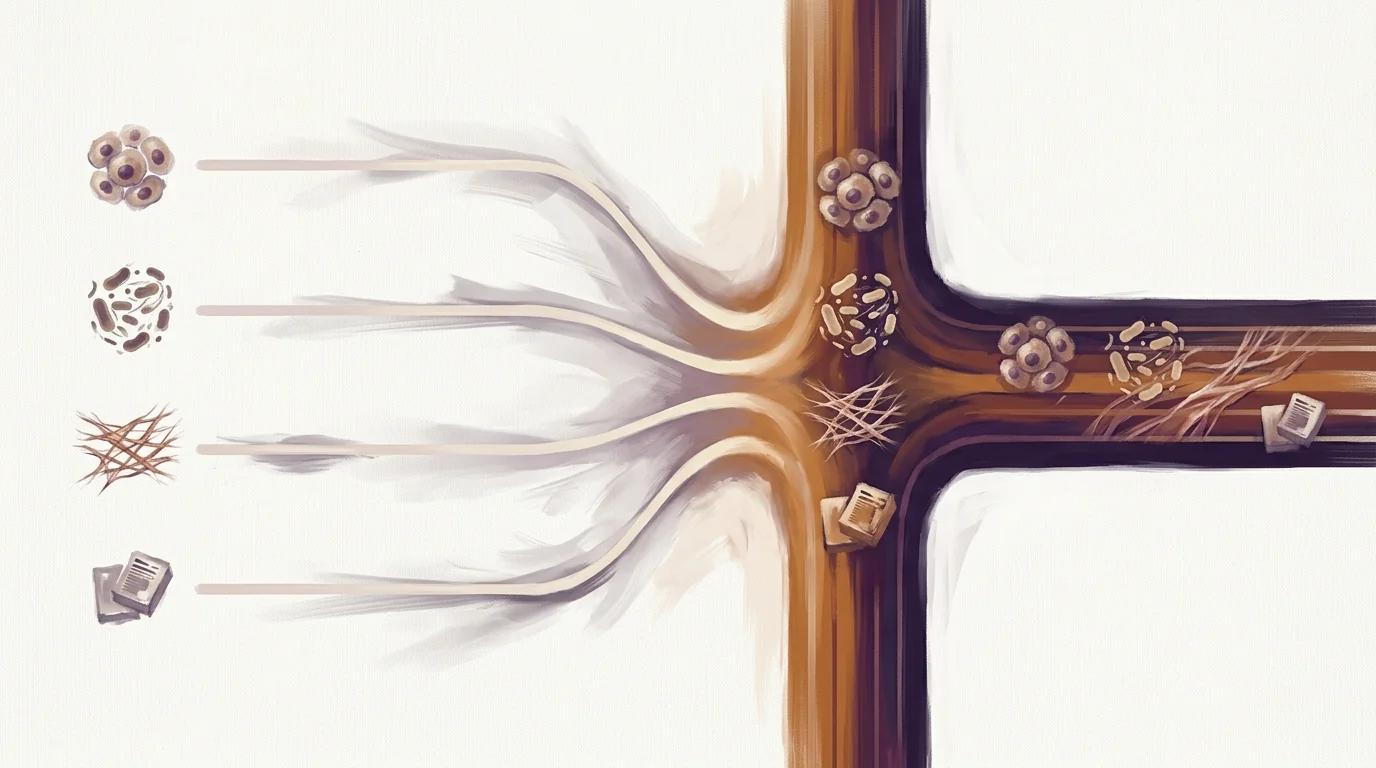
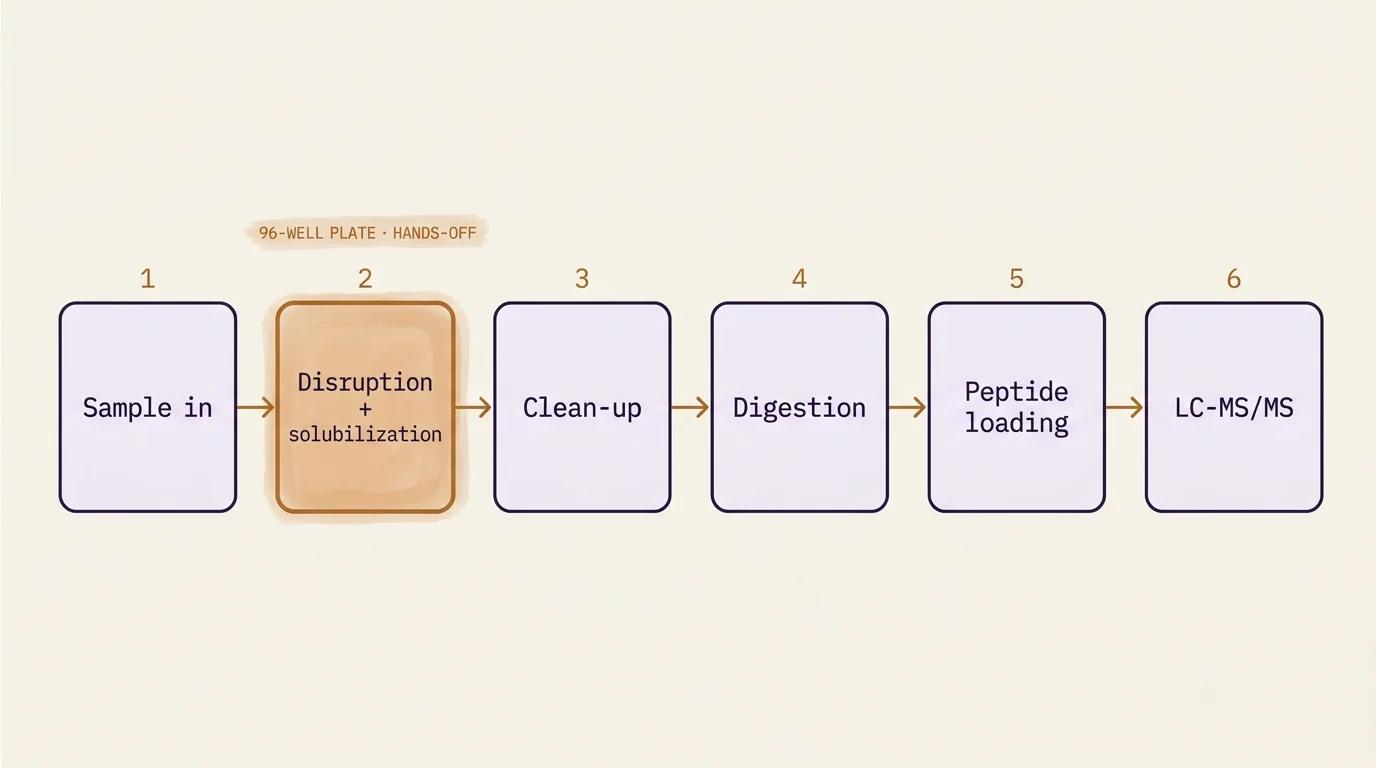
Walk a sample through a typical bottom-up proteomics workflow and the front end is the first real fork in the road:
- Sample in — a cell pellet, a tissue piece, a bacterial culture.
- Disruption + solubilization — break the cells open and get protein into solution. (This is the step in question.)
- Clean-up — remove contaminants ahead of digestion.
- Digestion — trypsin to peptides.
- Peptide loading — onto loading/trap tips.
- LC-MS/MS + search — acquisition and identification.
Steps 3–6 are where a core has usually invested in a standard, validated method. Step 2 is where the variability — and the manual labor — has historically lived.
What PIXUL does: disrupt and solubilize, on a plate
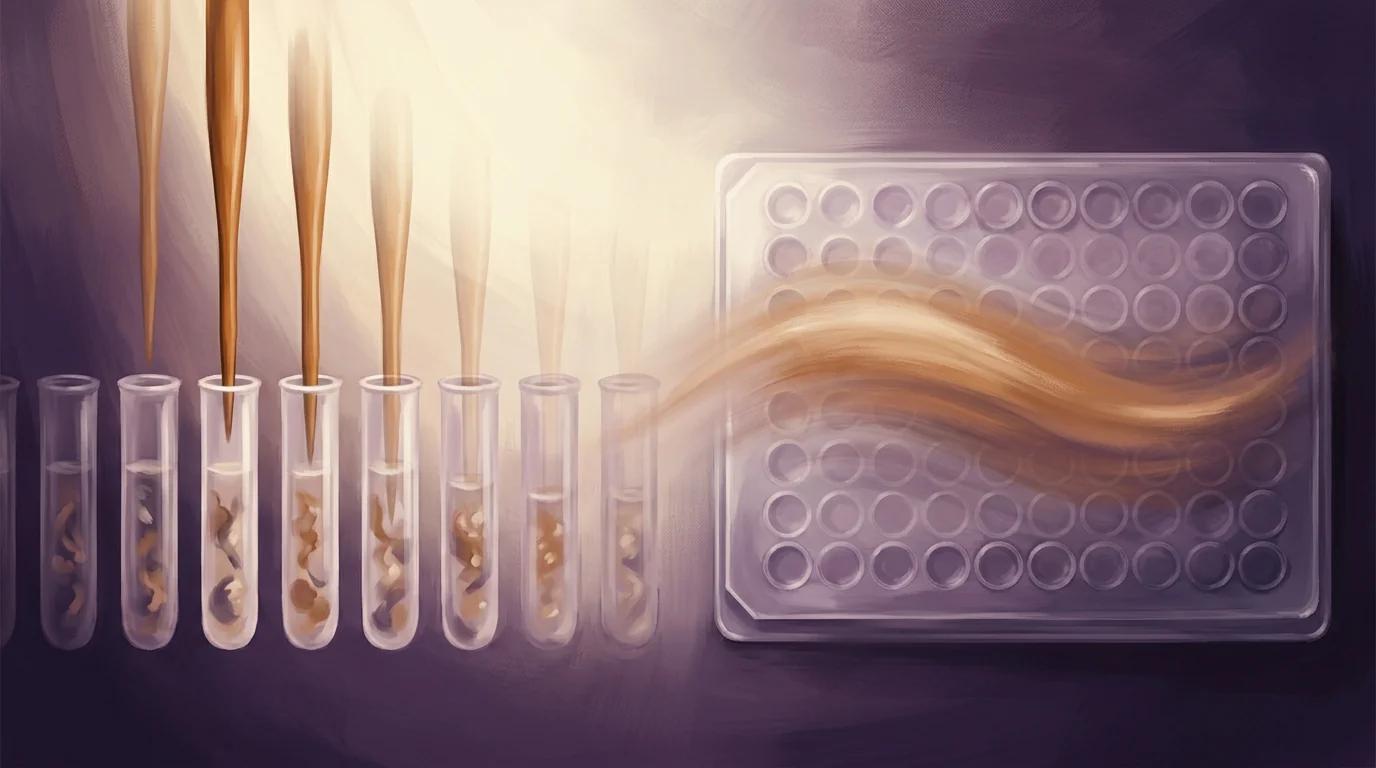
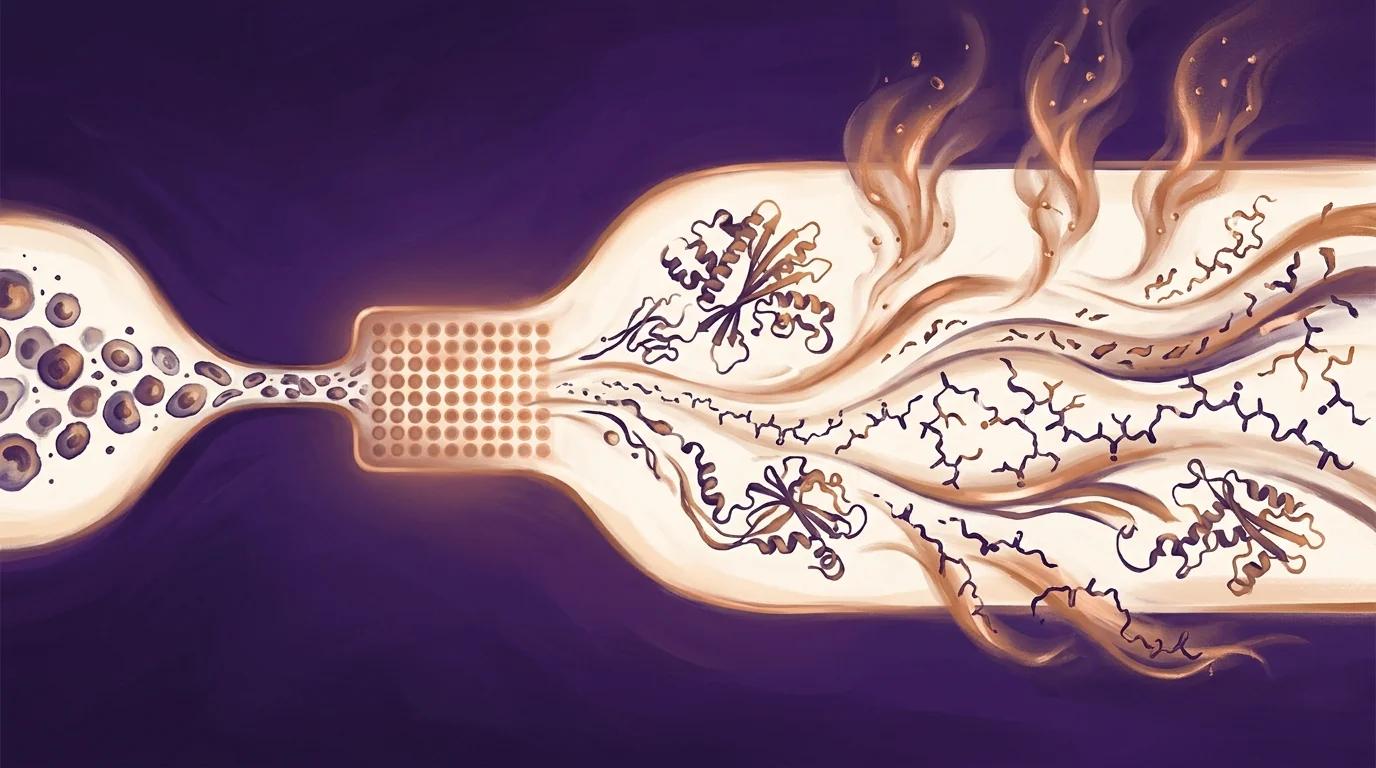
PIXUL sits at step 2: it disrupts cells and helps solubilize protein from up to 96 wells of a standard plate in one run. A sample goes into a solubilization buffer — a couple of percent SDS for cells, a little more for tougher tissue, with the inhibitors you'd normally add — and the plate runs hands-off, with run time the main thing you set by sample type (a few minutes for cells, longer for tough tissue) (the hands-off throughput case).
PIXUL changes the front end of the pipeline, not the rest of it.
The output is solubilized protein in a standard plate — the same format the rest of your liquid handling and clean-up already expect.
What happens downstream stays your workflow
Because the protein comes out in a standard plate, the steps after it don't have to change. The solubilized lysate moves into a bead-based or trapping-cartridge clean-up, then digestion, then onto peptide-loading tips and into LC-MS/MS — the same chain a core already runs (standard plates, not a captive consumable). The point of slotting in at step 2 is that it leaves steps 3 through 6 alone.
For the toughest tissue, a pre-step may still come first
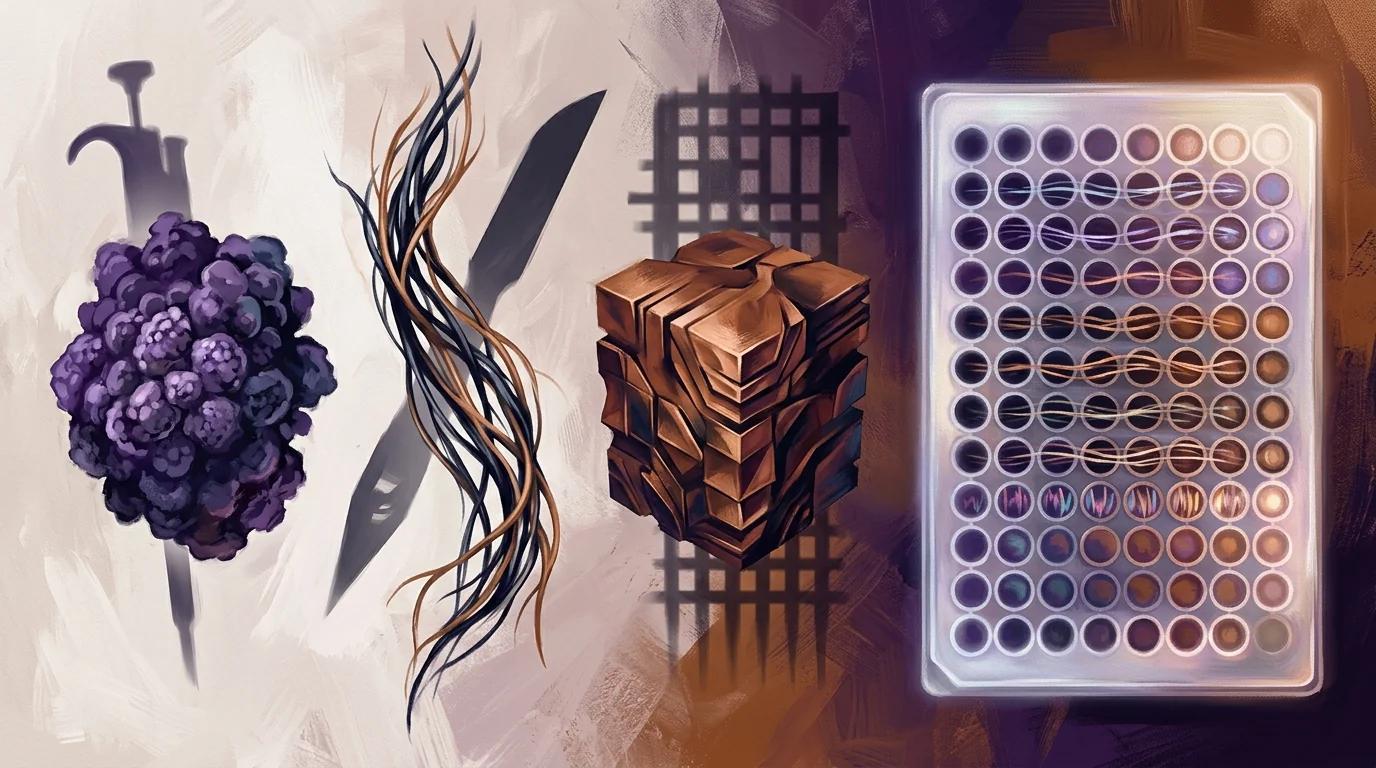
One honest note on fit: for the hardest tissue — dense muscle, heart — some labs still run a mechanical pre-disruption (a pressure-cycling homogenizer, say) ahead of the sonication step, and a small insoluble fraction can remain on the very toughest material. That's normal, and it's worth scoping against your own hardest samples rather than assuming either way (when mechanical pre-disruption still wins).
“Do I have to change my downstream workflow to use it?”
Does adopting a 96-well sonicator mean re-validating the rest of my pipeline?
No — it changes the disruption step, not what follows. The protein comes out solubilized in a standard plate, feeding the clean-up, digestion, and LC-MS method you've already validated. What you're swapping is the manual, one-at-a-time front end, not the analytics behind it.
The clearest way to see the fit is to run your own samples through it and hand the output into your existing downstream — bring your workflow to a demo and slot it in. Book a working demo →