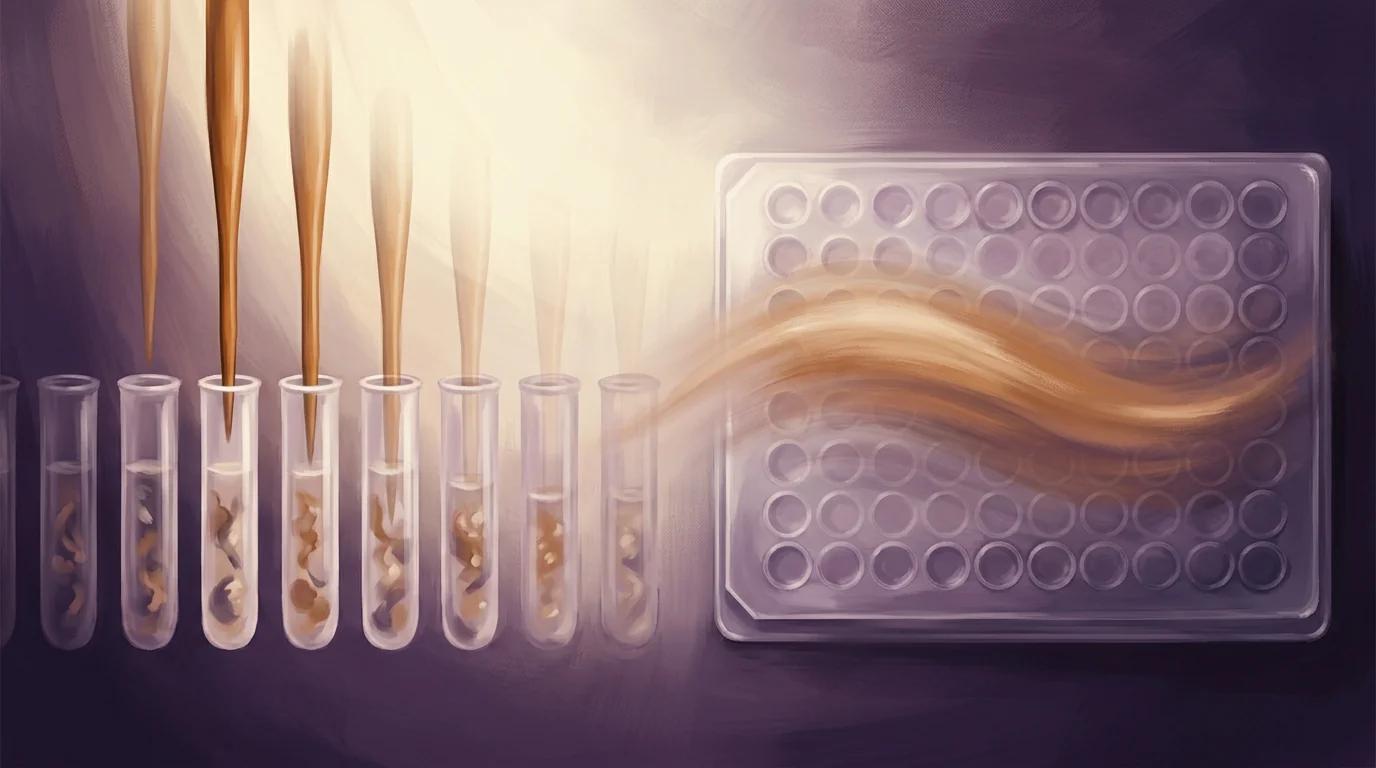
- On a 96-well sonicator, onboarding is mostly method transfer, not method development — the protocol moves with the user instead of being rebuilt from scratch.
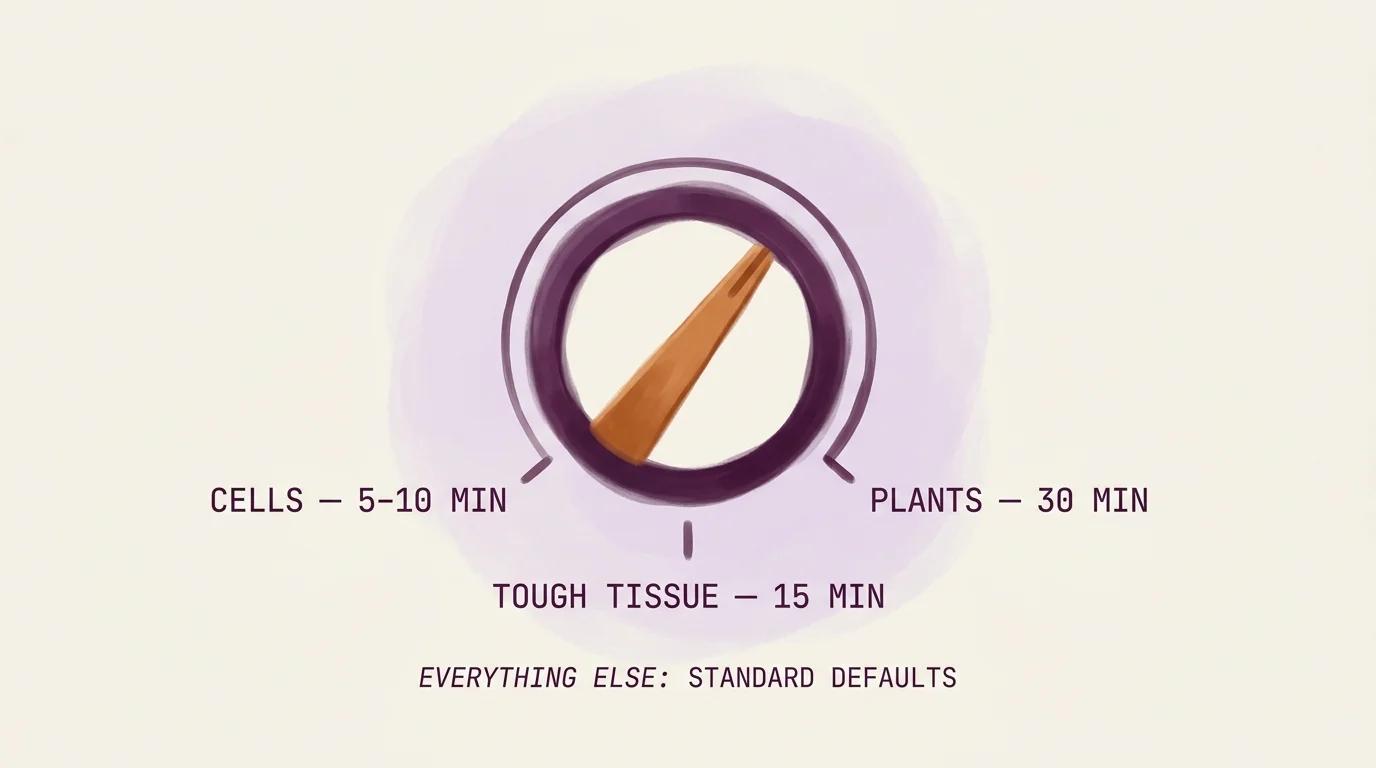
- The one variable you actually set is disruption time — minutes for cells, longer for tough samples; the rest runs on standard default settings.
- It transfers cleanly across people and institutions — a method learned in one lab carries to a new facility, with the install handled over a call.
Ask what it takes to bring up a new front-end instrument and most core leads brace for the same thing: weeks of optimizing buffers, energy, and timing per sample type before the data is trustworthy. That expectation is reasonable — it's what a lot of instruments demand. It's also the part that, with PIXUL, mostly doesn't apply — and it's worth being specific about why.
Onboarding usually means method development — here it mostly doesn't
The reason new-instrument onboarding is slow is that the method is usually unknown at the start: you're discovering the right conditions for each sample type by trial. The difference with PIXUL is that the conditions are largely settled. A new user isn't searching for a protocol — they're inheriting one, and adjusting a single parameter to their sample.
Onboarding a new sonicator usually means weeks of method development. Here it mostly means choosing a run time.
The one variable you actually set: disruption time
On PIXUL, the setting that changes by sample type is run time; the rest stays on standard defaults. Cells run in a few minutes, tougher samples longer — and that's most of what a new user touches. As one daily user put it, asked what optimization the instrument needed: “Nothing. The only thing we change is the time — five minutes for simple cells, fifteen for tougher tissue. The rest is the standard default settings. We never had to optimize.” The same user called it “one of the simplest equipment we have.”
Why it transfers cleanly across users and labs
Because the method is portable, it survives a change of hands. One core lead learned the instrument during a postdoc, then brought the same approach to a brand-new facility she set up later — the protocol came with her, and the install itself was done remotely. “It's very straightforward,” she said. “Even the installation process was super fast — we just had a team call.” A method that transfers across institutions like that is one a new user on your own team can pick up without reinventing it (what the daily operator actually experiences · what a core needs from its front end).
What "near-zero method development" doesn't mean
It's worth being precise, because "near-zero method development" is a phrase that can be overread. It does not mean no validation: a new user should still confirm yields and downstream results on their own samples, the way they would with any method. What it means is narrower and real — you're not building the disruption protocol from nothing, you're transferring a known one and tuning a single variable. The work moves from developing a method to verifying it on your material.
"How long until a new user is productive?"
What's the actual ramp for a new operator?
Honestly, it depends on your samples, and we'd rather not put a single day-count on it than overpromise one. What users consistently describe is the shape of the ramp: not weeks of protocol development, but setting a run time and validating the result — closer to verifying a transferred method than building one. That's the part that makes onboarding short. The fastest way to gauge your own ramp is to have the person who'll actually run it set a time and process a plate of your samples on a working demo.