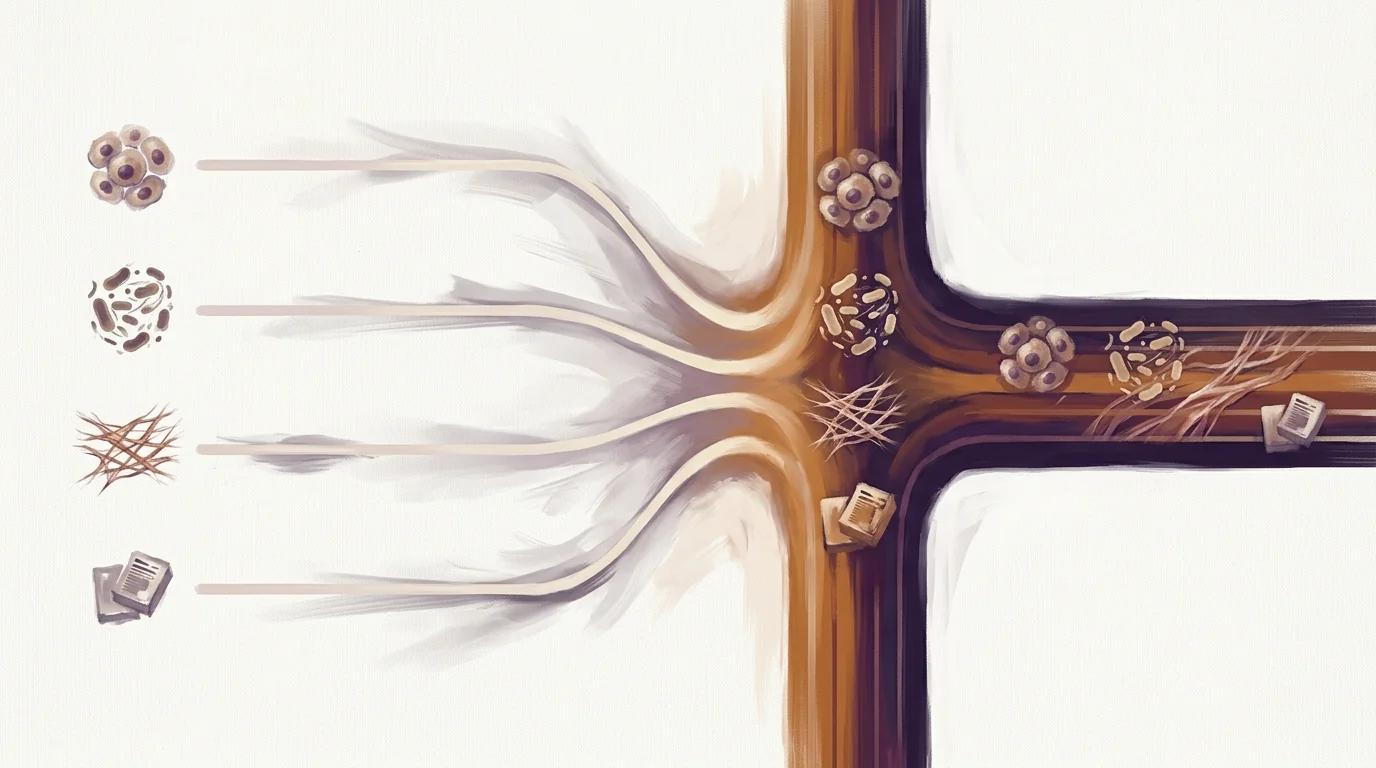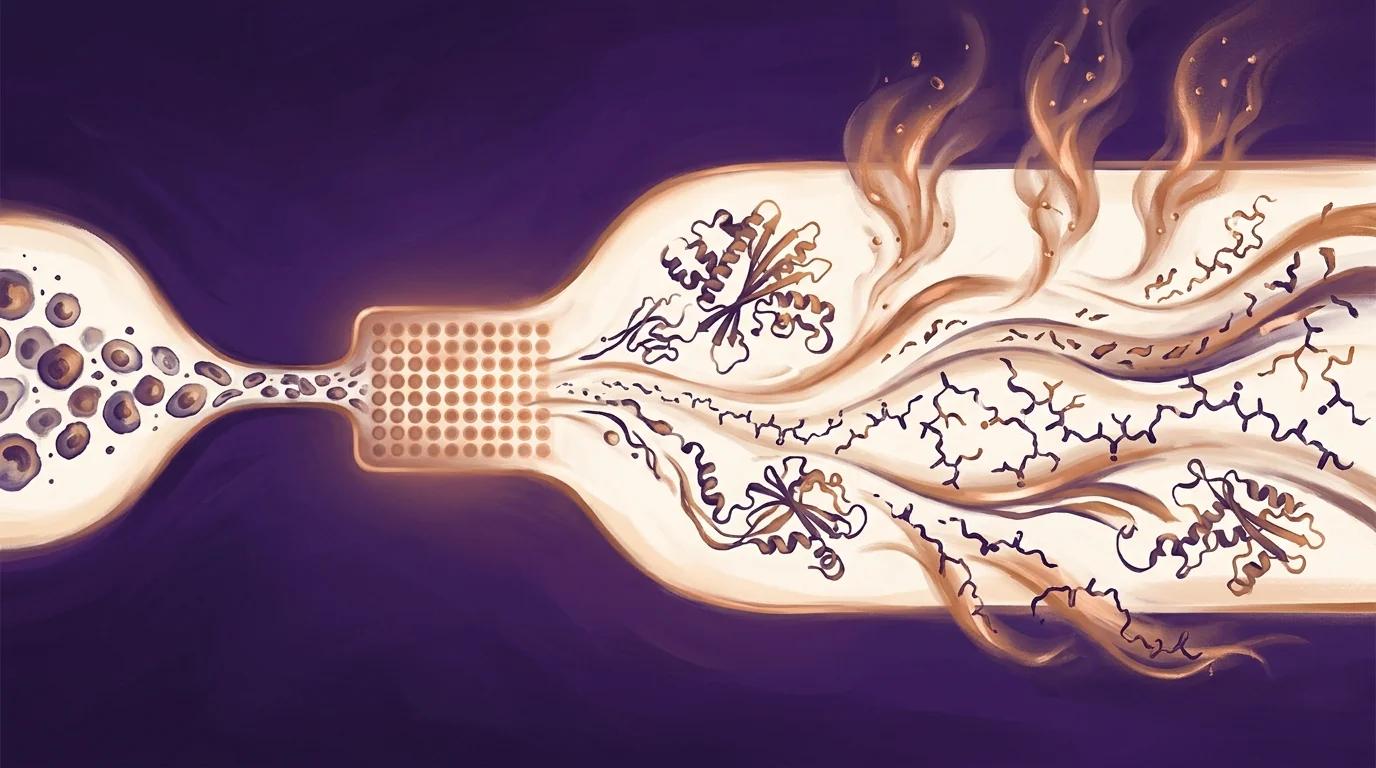

- A proteomics core's demand keeps rising and diversifying while its budget stays flat — more PIs, more organisms, more multi-omics requests, no more money.
- The old “an instrument for every problem” model breaks under that math — single-purpose boxes multiply faster than a flat budget can fund or a finite bench can hold.
- The way through is consolidation onto versatile workhorses — fewer instruments that each absorb more of the range, so the core does more without spending more.
Every core lead I know is running the same quiet arithmetic. The number of groups they serve goes up. The variety of samples those groups bring goes up. The number of requests per instrument, per month, goes up. And the budget line that's supposed to absorb all of it has been flat for years. Nobody circulated a memo announcing this; it just happened, one funding cycle at a time, until “do more with the same” stopped being a slogan and became the operating condition of the job.
That math doesn't get solved with effort. You can't out-work a structural mismatch between rising demand and a fixed budget. What you can do is change the shape of what you buy — and that turns out to be the decision that quietly determines whether a core keeps up or falls behind.
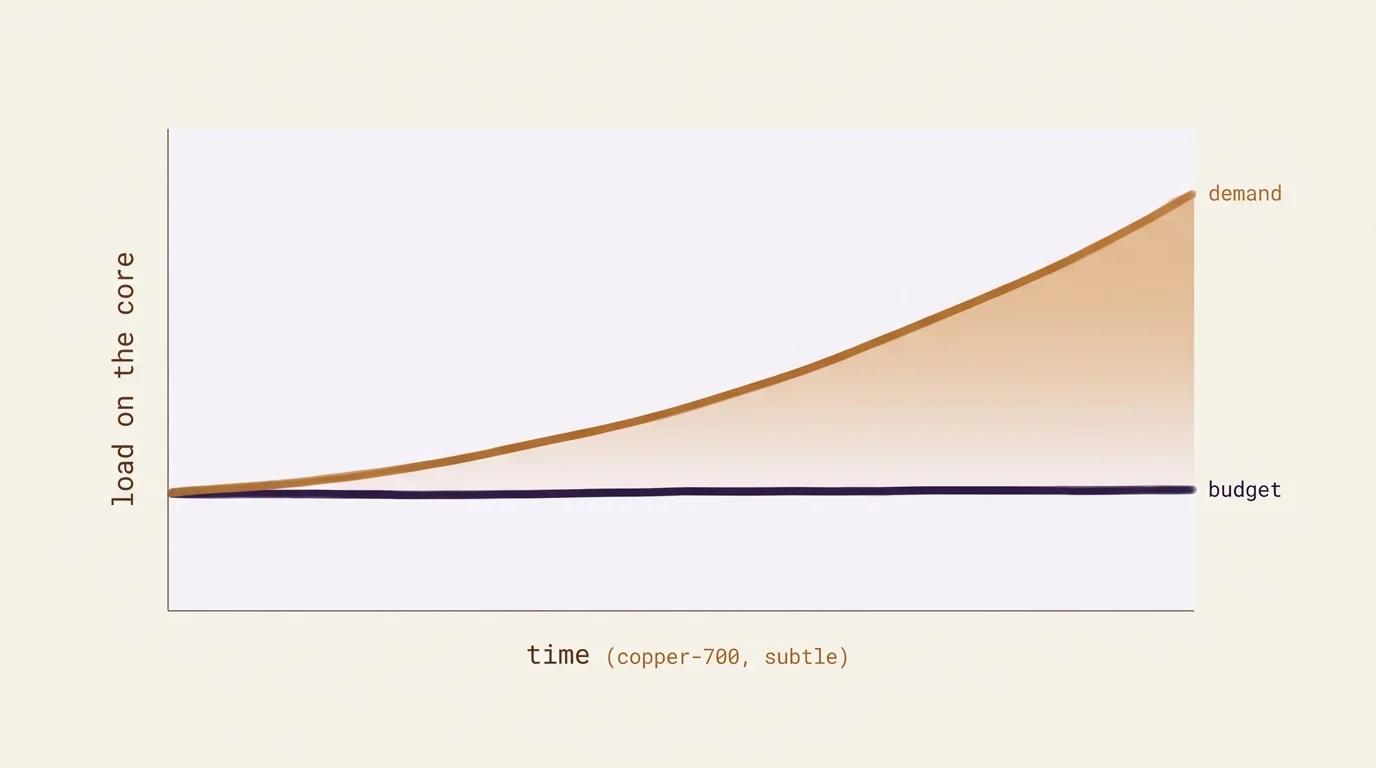
The demand curve bends up while the budget line stays flat
Start with the demand side, because it's moving in every direction at once. More PIs join the institution and need the core. The ones already there bring a wider range of organisms and sample types than they used to. And the questions themselves multiply — the same group that wanted protein last year wants three things this year.
You can't out-work a structural mismatch between rising demand and a flat budget — you can only change the shape of what you buy.
The budget, meanwhile, holds still. So the gap between what the core is asked to do and what it's funded to do widens every year, and it lands squarely on the instruments: each one is expected to serve more people, more often, on more kinds of sample, with no more money behind it.
Multi-omics makes the same samples do double duty
There's a second force bending the curve, and it's newer. Proteomics has stopped arriving on its own. In more and more institutions, the same precious cohort feeds several questions at once — protein here, nucleic acids there — in a building that increasingly runs genomics, proteomics, and metabolomics side by side and expects them to talk to each other.
For the front end of a proteomics core, that raises the bar again. The sample-prep step isn't just serving one core's range anymore; it's feeding a multi-omics pipeline where the same material has to be handled consistently enough to compare across methods. The demand isn't only larger — it's more entangled.
An instrument for every problem becomes a shelf of idle boxes
Against that, the reflex most cores inherited is to meet each new sample type with a new instrument: a dedicated tool for the hard tissue, another for the small batches, a specialist box for the high-value work. Each purchase was rational on its own. Together they produce something no one intended — a shelf of single-purpose equipment, most of it idle most of the time, none of it able to cover for the rest, every piece carrying its own service line, training burden, and claim on the bench.
On a growing budget, that's inefficient. On a flat one, it's untenable. There simply isn't room — in dollars or in square footage — to keep answering a diversifying demand with a proliferating fleet (how to make the capital case for the alternative).
So the modern core consolidates onto versatile workhorses
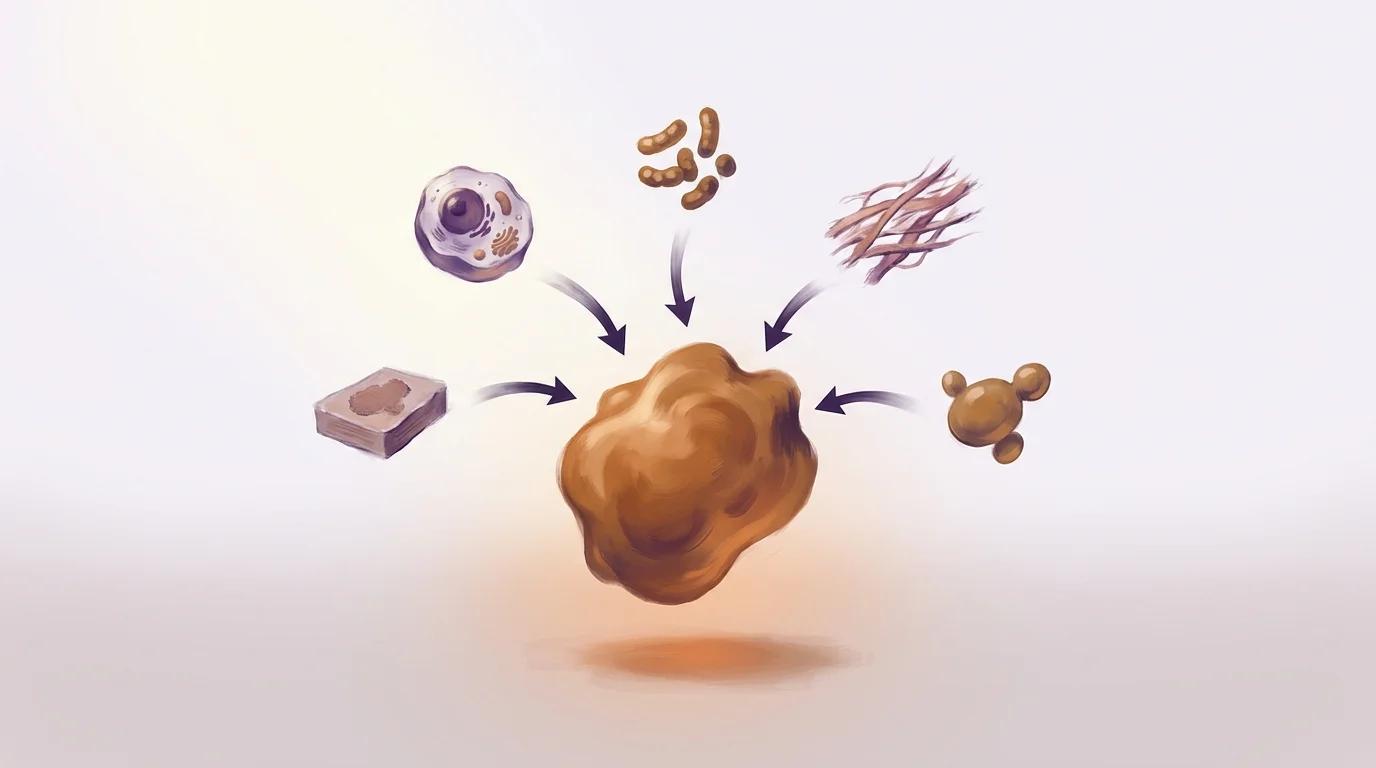
The cores that are keeping up are doing the opposite of proliferating. They're consolidating — deliberately choosing fewer instruments that each absorb more of the range, so a single capital line serves many questions instead of one (the case for the versatile core). The logic is the same one that drives every constrained system toward generalists: when you can't afford a specialist for every job, you invest in the tool that does the most jobs well enough, dependably enough, to keep the work moving.
For a proteomics core, that consolidation lands hardest at the front end — the disruption and extraction step every sample passes through. It's the place where a single versatile instrument can replace several single-purpose ones outright, and where the range a core can serve is set before the mass spec ever sees a sample (what a core needs from that front end).
On a growing budget, a fleet of single-purpose instruments is inefficient. On a flat one, it's untenable.
What this changes about the next instrument you buy
None of this is an argument against specialized tools where they're genuinely needed. It's an argument about the default. The reflexive next purchase — another box for another problem — is the one a flat budget can least afford, and the one a diversifying demand will most quickly outgrow.
So the question worth asking before the next requisition isn't “what's the best tool for this one new sample type?” It's “what absorbs the most of what we'll be asked to do over the next few years, on the budget we actually have?” The cores that answer the second question are the ones that will still be saying yes when the budget hasn't moved and the demands have doubled again.