Skip to content

PIXUL Resources

Your FFPE archive is now multi-omic ready: extract proteomics, transcriptomics, and genomics from one PIXUL workflow.

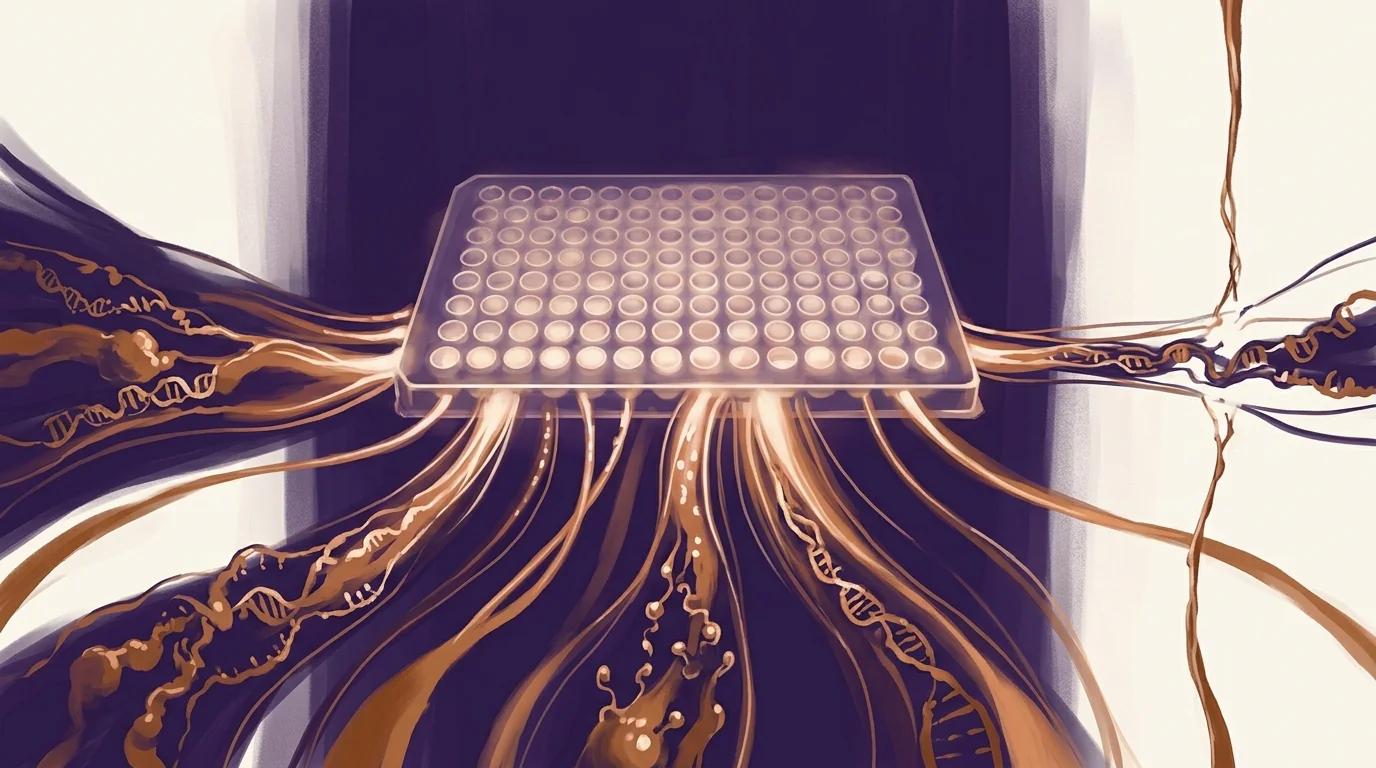
PIXUL processes one tissue biospecimen in parallel across 96 wells — delivering protein, RNA, and DNA from the SAME archived FFPE or fresh-frozen sample, with proteomic correlation R² ≥ 0.95 between FFPE and frozen pairs. Validated across four mouse organs in Mar et al. 2024 (Laboratory Investigation).

Read Paper

Featured Resources

PIXUL Multi-Sample Sonicator: Extremely Consistent High-Throughput Shearing for Multi-Omics Applications — featured image Brochure
Sample Preparation

PIXUL Multi-Sample Sonicator: Extremely Consistent High-Throughput Shearing for Multi-Omics Applications

How proteomics, epigenetics, and genomics labs eliminate the sample-prep bottleneck with 96-sample parallel ultrasonication and standard microplates. Two-page reference covering the 3-step workflow, five core value propositions, and a head-to-head proteomics validation showing equivalent peptide/protein ID against probe sonication at 96-sample throughput.
Read More
TechNote: Sample Preparation for Proteomics Applications with PIXUL — featured image App Note
Proteomics

TechNote: Sample Preparation for Proteomics Applications with PIXUL

How proteomics core facilities validated PIXUL as equivalent to VCX130 probe sonication while moving from 1-sample-at-a-time to 96 samples in parallel. VIB Proteomics Core tested PIXUL across four bottom-up LC-MS/MS QC parameters on HEK293T cells and fresh mouse liver tissue — including a finding that just 5 minutes of PIXUL sonication is sufficient for complete tissue lysis.

Read More
Quick Guide: PIXUL Multi-Sample Sonicator (Cat. No. 53130) — featured image Field Guide
Sample Preparation

Quick Guide: PIXUL Multi-Sample Sonicator (Cat. No. 53130)

Everything you need to set up, program, and run a PIXUL sonication cycle from cold start to first sample. Two-page operational quick-start guide covering reagent + materials prep, plate loading, touchscreen sonication parameter programming (Pulse=50, PRF=1.0 kHz, Process Time=36 min, Burst Rate=20 Hz), and post-run handling.

Read More

All Resources

Showing 44 of 44 resources
PIXUL for Proteomics Core Facilities: One Instrument for Your Whole Sample Range — featured image Brochure
Proteomics PIXUL

PIXUL for Proteomics Core Facilities: One Instrument for Your Whole Sample Range

How a shared proteomics core facility preps its whole sample range, tough samples included, in one walk-away run instead of one sample at a time. This two-page reference covers the three-step acoustic workflow, the all-in-one advantage over probe and focused-ultrasonication sample prep, and a head-to-head showing equivalent peptide and protein recovery against a probe sonicator at 96-sample scale.

Read More
A practical guide to choosing a cell disruption and protein extraction instrument for a proteomics core facility — featured image Guide
Proteomics PIXUL

A practical guide to choosing a cell disruption and protein extraction instrument for a proteomics core facility

A practical decision guide for choosing the cell-disruption and protein-extraction instrument at the front of a proteomics core facility's workflow. Walks the six criteria that matter (versatility, reliability and self-sufficiency, hard-sample confidence, throughput without babysitting, consistency, and easy-to-obtain standard plates) and includes a scoring worksheet to evaluate any candidate.

Read Guide
How PIXUL lyses the tough ones: cell-wall organisms, bacteria, and yeast at 96-well scale — featured image Blog
Proteomics PIXUL

How PIXUL lyses the tough ones: cell-wall organisms, bacteria, and yeast at 96-well scale

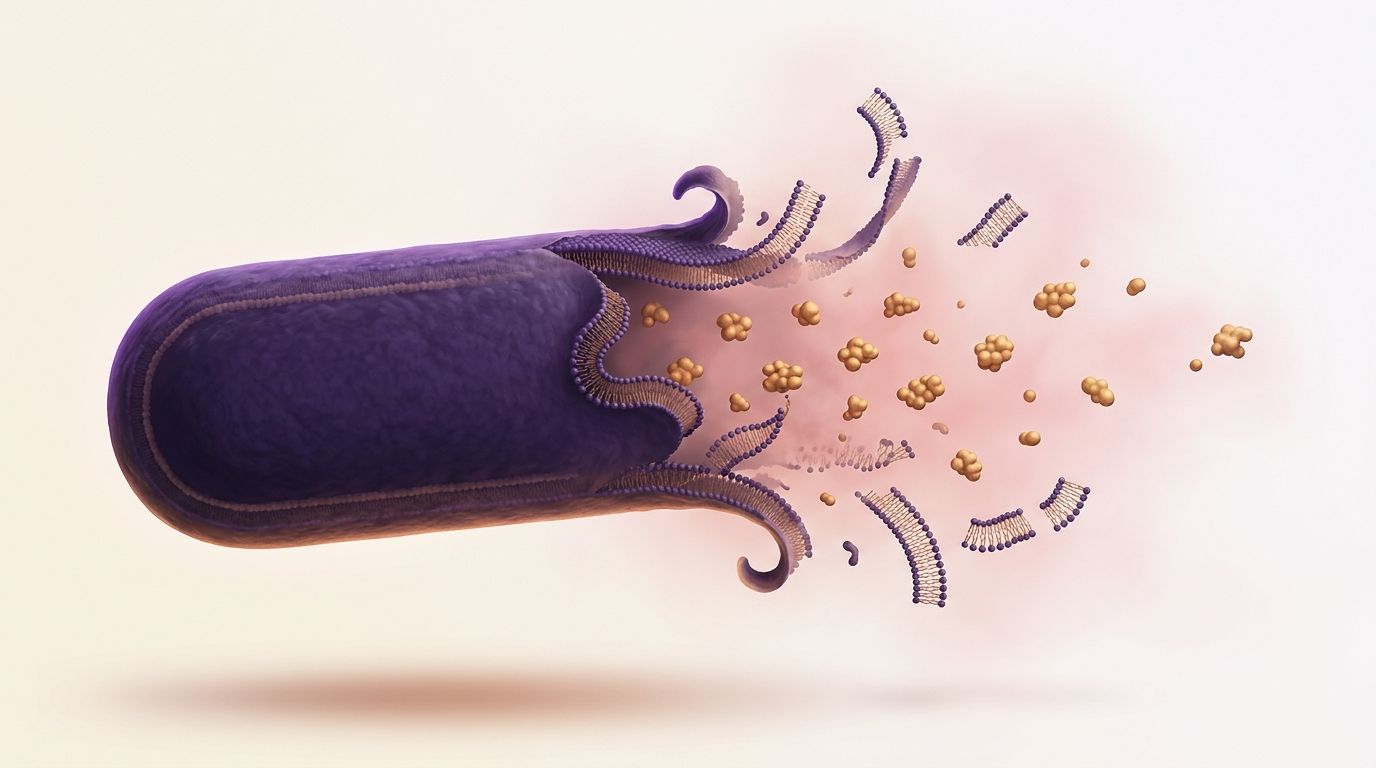
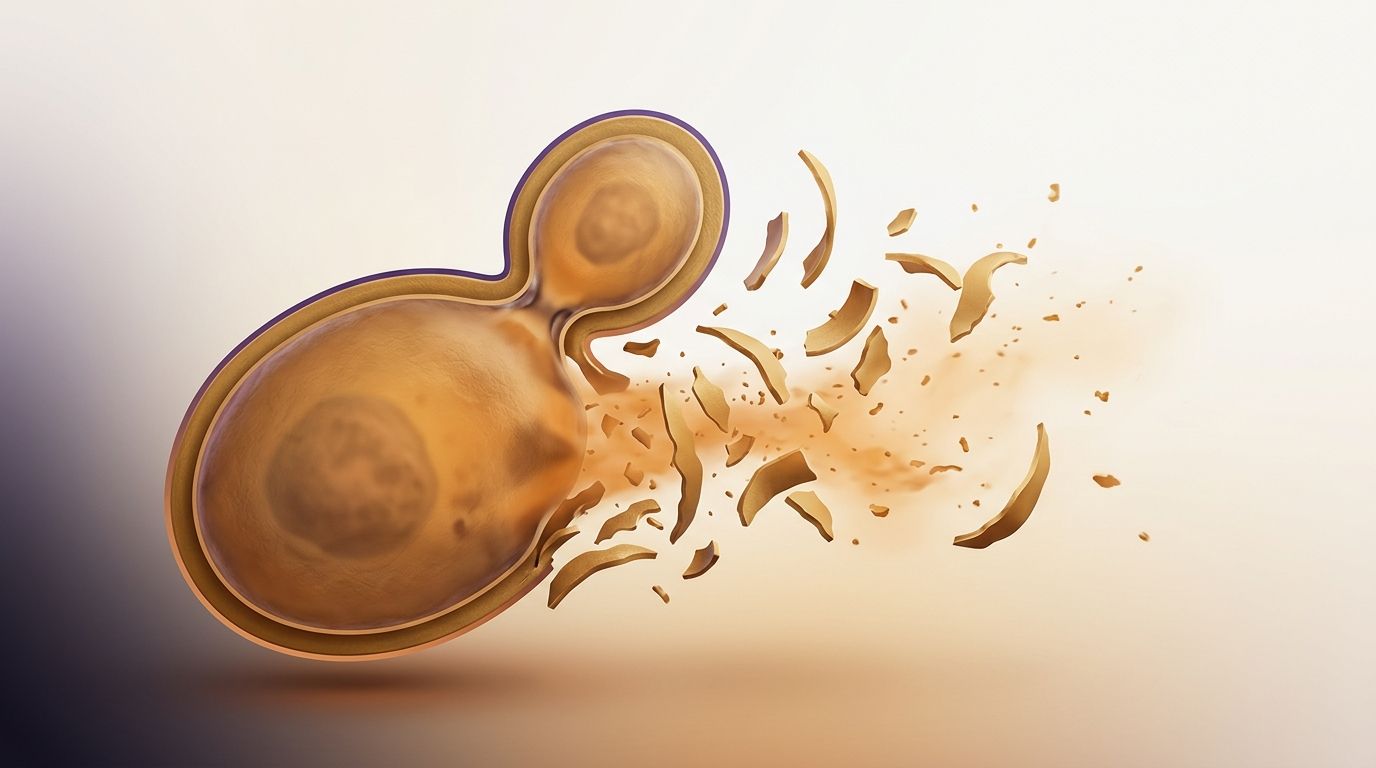
The samples that worry operators — yeast, bacteria, tough tissue — aren't a different-instrument problem. With PIXUL, they're mostly a question of how much disruption energy and time the wall in front of you needs. Worked protocols for bacteria (minutes, with an enzymatic assist for screening by gel — not deep LC-MS proteomics), yeast (30–60 minutes in SDS-based buffer, no beads), and tough tissue (in between, sometimes with a pre-step), with an honest concession that for a genuinely extreme matrix a dedicated mechanical method may still be the right tool.

Read More
Onboarding a new user to PIXUL: what method transfer actually takes — featured image Blog
Proteomics PIXUL

Onboarding a new user to PIXUL: what method transfer actually takes

Bringing up a new sample-prep instrument usually means weeks of method development. With PIXUL — a 96-well sonicator — the honest answer is closer to: transfer the protocol, then choose a run time. A new user inherits a settled method instead of building one, tunes a single variable (disruption time) to their sample, and the protocol transfers cleanly across people and institutions — with the install handled over a call.

Read More
Where PIXUL fits in a proteomics pipeline: from disruption to LC-MS — featured image Blog
Proteomics PIXUL

Where PIXUL fits in a proteomics pipeline: from disruption to LC-MS

Most of a proteomics pipeline is already standardized — reduction and alkylation, digestion, peptide clean-up, the LC gradient, the mass spec and its search. The step that's least settled, and most manual, sits right at the front: getting clean, solubilized protein out of whatever sample came in. PIXUL drops into that slot, disrupting cells and solubilizing protein from up to 96 wells of a standard plate in one hands-off run — so the disruption step changes while the rest of the pipeline (clean-up, digestion, peptide loading, LC-MS/MS) stays the workflow you already run.

Read More
Bead beating vs. sonication: specialize for one tough sample, or standardize across many? — featured image Blog
Sample Preparation

Bead beating vs. sonication: specialize for one tough sample, or standardize across many?

Mechanical disruption is the specialist's tool for the toughest matrices — bead beating earns its place on spores, fungi, fibrous plant and tissue. The question for a shared core is whether you're optimizing for one of those, or for the range. A side-by-side comparison of bead beating, mechanical homogenization, and pressure cycling against a high-throughput sonicator (PIXUL) on per-sample-type specialization, standardization across a varied plate, consumables, hands-off throughput, and when each is the right call.

Read More
How to justify a versatile sonicator to your capital committee — featured image Blog
Proteomics

How to justify a versatile sonicator to your capital committee

The case that wins funding isn't the lowest price. It's how much of the facility's range a single capital line absorbs — and how little it costs to keep running once it's in. The committee-defense argument that holds up: one versatile, self-maintained instrument that absorbs the facility's range and replaces several future single-purpose purchases — on open standard consumables the core controls.

Read More
In quantitative proteomics, inconsistent sample prep becomes a batch effect — featured image Blog
Proteomics

In quantitative proteomics, inconsistent sample prep becomes a batch effect

If the disruption step varies from well to well or run to run, that variance rides through to the data — and you can't tell it apart from the biology. Plate-wide, run-to-run consistency is what lets a proteomics core validate a method once and reuse it: the same result in well 1 and well 96, documented rather than assumed, so a difference between samples is a difference in the samples — not an artifact of how each was lysed.

Read More
Why a shared core needs sample prep it can keep running itself — featured image Blog
Proteomics

Why a shared core needs sample prep it can keep running itself

A shared core can't put a dozen labs on hold while it waits for a field engineer. The disruption step every sample passes through has to be something the core can install and keep running day to day on its own. Self-sufficiency — install over a call, fluid and filters changed at the bench in minutes — is what keeps the day-to-day in the core's hands rather than on a service schedule, while a service contract sits in reserve for the rare, genuinely complex fault.

Read More
The proteomics core that can say yes to every question wins — featured image Blog
Proteomics PIXUL

The proteomics core that can say yes to every question wins

The real constraint on a shared proteomics core isn't capability. It's how often you're forced to say no. Flat budgets and rising multi-omics demand have made the old 'a new instrument for every sample type' model untenable; versatility at sample prep is now the highest-leverage thing a core can buy.

Read More
What real versatility looks like in proteomics sample prep — featured image Blog
Proteomics

What real versatility looks like in proteomics sample prep

Most instruments handle a lot of one thing. A shared core needs the opposite — a little of everything, all the time. Real versatility in a proteomics front end isn't 96-well capacity; it's column-level programming that lets cells, bacteria, tough tissue, and FFPE run side by side, each with its own disruption time and energy, on a single plate in one run.

Read More
Why your sample prep shouldn't run on a proprietary consumable — featured image Blog
Proteomics

Why your sample prep shouldn't run on a proprietary consumable

PIXUL runs on the same standard open-format plates your liquid handler already uses — so a stockout, a price change, or a long lead time on one supplier's part can't stall the whole core. A proprietary consumable turns the front end into a single point of supply failure; a standard open-format plate, available from several vendors and reusable on partial runs, keeps that supply uncaptive. The value isn't unlimited choice — it's that the plate you standardize on is a standard one you can actually get.

Read More
Is a sonicator dependable enough to build a proteomics core around? — featured image Blog
Proteomics

Is a sonicator dependable enough to build a proteomics core around?

It's the right question for a backbone instrument — and the honest answer isn't a promise. It's in what the instrument actually needs to keep running, and how widely it already does. A dependable backbone instrument is one that rarely needs an outside visit to keep running — PIXUL is designed so the core's own team installs it over a call and maintains it in-house, with operator-replaceable fluid and filters, a sealed low-maintenance system, and few parts that ever need a service engineer. And it's proven across an established installed base of proteomics cores worldwide.

Read More
Water-bath ultrasonication vs. a high-throughput sonicator: when you've outgrown small batches — featured image Blog
Proteomics

Water-bath ultrasonication vs. a high-throughput sonicator: when you've outgrown small batches

Both disrupt samples gently and in parallel. The real question is how far they scale — and how much control you keep when the samples aren't all the same. A side-by-side comparison of water-bath ultrasonication and a high-throughput multi-sample sonicator (PIXUL) on throughput, per-column protocol control, mixed-sample-type capability, output format, and run-to-run consistency at scale.

Read More
What your tech actually experiences running a 96-well sonicator — featured image Blog
Proteomics

What your tech actually experiences running a 96-well sonicator

The spec sheet is for you. The real test of a front-end instrument is whether the person who runs it every day will want to — so here's their day, not the datasheet. The operator's-day view: a half-day at the probe replaced by one hands-off plate run, in-house maintenance in minutes instead of a service ticket, a result they can trust across all 96 wells, and the samples they used to dread now working — because the operator's verdict after a week of real runs is the adoption signal a core lead should care about most.

Read More
Supplemental Protocol: Bacterial Lysis with PIXUL Multi-Sample Sonicator — featured image Protocol
Cell Lysis

Supplemental Protocol: Bacterial Lysis with PIXUL Multi-Sample Sonicator

How protein expression labs lyse 96 E. coli cultures in 3 minutes for parallel SDS-PAGE screening of recombinant constructs. Supplemental protocol covering full BL21(DE3) workflow — grow constructs with IPTG induction, lyse cells with PIXUL sonication at 10°C, analyze supernatant + pellet fractions on a 4-12% gradient gel with Instant Blue Coomassie staining.

Read More
PIXUL Multi-Sample Sonicator: Extremely Consistent High-Throughput Shearing for Multi-Omics Applications — featured image Brochure
Sample Preparation

PIXUL Multi-Sample Sonicator: Extremely Consistent High-Throughput Shearing for Multi-Omics Applications

How proteomics, epigenetics, and genomics labs eliminate the sample-prep bottleneck with 96-sample parallel ultrasonication and standard microplates. Two-page reference covering the 3-step workflow, five core value propositions, and a head-to-head proteomics validation showing equivalent peptide/protein ID against probe sonication at 96-sample throughput.
Read More
TechNote: Sample Preparation for Proteomics Applications with PIXUL — featured image App Note
Proteomics

TechNote: Sample Preparation for Proteomics Applications with PIXUL

How proteomics core facilities validated PIXUL as equivalent to VCX130 probe sonication while moving from 1-sample-at-a-time to 96 samples in parallel. VIB Proteomics Core tested PIXUL across four bottom-up LC-MS/MS QC parameters on HEK293T cells and fresh mouse liver tissue — including a finding that just 5 minutes of PIXUL sonication is sufficient for complete tissue lysis.

Read More
Quick Guide: PIXUL Multi-Sample Sonicator (Cat. No. 53130) — featured image Field Guide
Sample Preparation

Quick Guide: PIXUL Multi-Sample Sonicator (Cat. No. 53130)

Everything you need to set up, program, and run a PIXUL sonication cycle from cold start to first sample. Two-page operational quick-start guide covering reagent + materials prep, plate loading, touchscreen sonication parameter programming (Pulse=50, PRF=1.0 kHz, Process Time=36 min, Burst Rate=20 Hz), and post-run handling.

Read More
Supplemental Protocol: Yeast Lysis with PIXUL Multi-Sample Sonicator — featured image Protocol
Cell Lysis

Supplemental Protocol: Yeast Lysis with PIXUL Multi-Sample Sonicator

How proteomics labs disrupt the tough Saccharomyces cerevisiae cell wall and feed straight into LC-MS/MS — 96 yeast cultures at a time, validated by the VIB Proteomics Core. Complete bottom-up sample prep workflow: PIXUL lysis (5% SDS / 50 mM TEAB, Pulse=50, PRF=1 kHz, 30-60 min) → S-Trap cleanup → trypsin digestion → peptide elution.

Read More
SWATH-MS reveals tissue-specific proteomic changes in a Leigh syndrome mouse model — featured image Publication
Proteomics

SWATH-MS reveals tissue-specific proteomic changes in a Leigh syndrome mouse model

SWATH-MS proteomic profiling of six tissues from Ndufs4 knock-out mice — a model of Leigh syndrome — identified over 3,000 proteins per tissue and 75-189 differentially abundant proteins (DAPs) per organ. The olfactory bulb and heart showed the greatest tissue-specific proteome alterations, while only NDUFS4 and NDUFA12 were shared DAPs across all six tissues. PIXUL multi-sample sonication was used to homogenise and lyse all six tissue types in a single 96-well plate prior to SWATH-MS analysis.

Read Paper
Dual AAV gene therapy using laminin-linking proteins ameliorates muscle and nerve defects in LAMA2-related muscular dystrophy — featured image Publication
Proteomics

Dual AAV gene therapy using laminin-linking proteins ameliorates muscle and nerve defects in LAMA2-related muscular dystrophy

Dual AAV delivery of two engineered laminin-linking proteins — mag and αLNNd — restored muscle and nerve function in a severe LAMA2-related muscular dystrophy mouse model. PIXUL-prepared muscle lysates were analyzed by DIA LC-MS/MS on an Orbitrap Eclipse to quantify linker protein expression and confirm dose-dependent rescue alongside histological, transcriptomic, and functional readouts.

Read Paper
Proteomic dynamics of bull sperm during post-testicular maturation — featured image Publication
Proteomics

Proteomic dynamics of bull sperm during post-testicular maturation

A proteomic survey of bull spermatozoa recovered from the testis, caput, and cauda epididymis identified 9,593 proteins and quantified 2,305–2,554 per population, mapping the protein turnover that drives post-testicular maturation. PIXUL sonication enabled consistent multi-replicate lysis of purified sperm, revealing 264 conserved mammalian sperm proteins and candidate fertility markers (Cylicin-1/2, ACRV1, IZUMO3, ENO1, VDAC2) across the epididymal transit.

Read Paper
mTORC2 Regulates Actin Polymerization in Auditory Cells — featured image Publication
Proteomics

mTORC2 Regulates Actin Polymerization in Auditory Cells

CRISPR/Cas9 Rictor knockout HEI-OC1 auditory cells reveal that mTORC2 disruption abolishes PKCα Thr638/641 phosphorylation, reduces the F/G-actin ratio, and reshapes the cytoskeletal proteome. DIA proteomics on an Orbitrap Exploris 480 — with PIXUL-based lysis — quantified 7,022 proteins per sample and identified 1,135 significantly deregulated proteins, including hair-cell targets CFL1, WDR1, Shroom2, and Map1b.

Read Paper
Programmable mRNA therapeutics for controlled epigenomic modulation of single and multiplexed gene expression in diverse diseases — featured image Publication
Proteomics

Programmable mRNA therapeutics for controlled epigenomic modulation of single and multiplexed gene expression in diverse diseases

A programmable mRNA-therapeutic platform delivers Epigenomic Controllers via lipid nanoparticles to durably modulate single or multiplexed gene expression in vivo. PIXUL-sonicated whole-cell lysates fed Jess Automated Western quantification of newly-translated controller protein — detectable within 6 hours, cleared by 96 hours — while downstream target-protein effects (97% CXCL8 knockdown by ELISA; 6-month Pcsk9 suppression in mouse serum) confirmed dose-responsive protein-level efficacy with a narrow off-target footprint.

Read Paper
Non-destructive seed genotyping via microneedle-based DNA extraction — featured image Publication
Genomics

Non-destructive seed genotyping via microneedle-based DNA extraction

Li and colleagues developed a polyvinyl alcohol microneedle patch that extracts genomic DNA from intact soybean seeds in under a minute while preserving 79% germination viability. The sub-nanogram MN-extracted DNA was fragmented to 400 bp with a PIXUL sonicator, built into NEBNext Ultra II Illumina libraries, and sequenced with 90–95% per-replicate reference coverage — demonstrating a non-destructive, field-deployable path from seed to whole-genome sequencing for crop breeding.

Read Paper
Pig and quail CpG methylation datasets from short and long read sequencing technologies — featured image Publication
Genomics

Pig and quail CpG methylation datasets from short and long read sequencing technologies

A SeqOccIn benchmarking dataset comparing four DNA methylation detection technologies — EM-seq, WGBS, Oxford Nanopore (ONT), and PacBio HiFi — across pig (Sus scrofa) and quail (Coturnix japonica) genomes. EM-seq libraries were fragmented on the PIXUL sonicator from 200 ng inputs, delivering 42X (quail) and 27X (pig) CpG coverage in a single NovaSeq run with ~10% duplicate rates and Pearson correlations up to 0.97 against ONT — establishing EM-seq as a more accurate short-read reference than WGBS for benchmarking long-read methylation calling.

Read Paper
Multi-omic assessment of mRNA translation dynamics in liver cancer cell lines — featured image Publication
Proteomics

Multi-omic assessment of mRNA translation dynamics in liver cancer cell lines

A multi-omic resource on translation dynamics in HepG2 and Huh7 human liver cancer cells, combining ribosome profiling, run-off ribo-seq with harringtonine and cycloheximide, pSILAC proteomics, RNA-seq, and polysome profiling. PIXUL sonication is used in the pSILAC sample preparation to lyse cells in SDS/TEAB/TCEP/CHX buffer before SP3 digestion and LC-MS/MS, yielding ~3,589 quantified proteins alongside ribosome footprints on 20,725 genes.

Read Paper
Quantitative proteomics of formalin-fixed, paraffin-embedded cardiac specimens uncovers protein signatures of specialized regions and patient groups — featured image Publication
Proteomics

Quantitative proteomics of formalin-fixed, paraffin-embedded cardiac specimens uncovers protein signatures of specialized regions and patient groups

Achter and colleagues benchmark a PIXUL-based, 96-well FFPE proteomics workflow on human cardiac tissue, quantifying ~4,000 proteins per single-shot sample and ~5,700 proteins with deep TMT fractionation. Formalin fixation contributed only 1.1% of proteome-wide variance versus 28.9% for workflow choice, and case studies (sinoatrial node mapping, ten arrhythmogenic cardiomyopathy biopsies vs. controls) recovered known regional and disease-specific protein signatures from archival blocks stored up to 15 years.

Read Paper
Bacterial RNA promotes proteostasis through inter-tissue communication in C. elegans — featured image Publication
Proteomics

Bacterial RNA promotes proteostasis through inter-tissue communication in C. elegans

Whole-worm DIA-LC-MS/MS proteomics of C. elegans fed three E. coli diets reveals that bacterial ribonuclease-3-dependent RNA species drive an inter-tissue proteostasis program, up-regulating a 12-protein muscle-function cluster only in proteotoxically challenged animals. The authors used PIXUL to lyse flash-frozen whole worms in SDS/TCEP/TEAB before TCA precipitation and Orbitrap Exploris 480 analysis — resolving 194 significantly altered proteins that trace a dietary RNA cue from intestinal uptake through the RNAi machinery to body-wall muscle aggrephagy.

Read Paper
The protein tyrosine phosphatase PPH-7 is required for fertility and embryonic development in C. elegans at elevated temperatures — featured image Publication
Proteomics

The protein tyrosine phosphatase PPH-7 is required for fertility and embryonic development in C. elegans at elevated temperatures

Loss-of-function pph-7 mutants in C. elegans show severely reduced fertility and embryonic lethality at 26 degrees C, and PIXUL-prepared lysates enabled proteome and phosphoproteome profiling identifying ~5,500 proteins and ~6,500 phospho-peptides per sample. The analysis pinpointed nine consistently dysregulated proteins across both pph-7 alleles, including VHL-1 pathway targets (CLEC-209, MCT-2, C01B4.6), spermatogenesis proteins (SMZ-1, SSQ-1, MSP-3), and putative direct PPH-7 substrates phosphorylated >4-fold higher in mutants (PAT-12, PAT-2).

Read Paper
Comparison of the Proteome of Huh7 Cells Transfected with Hepatitis B Virus Subgenotype A1, with or without G1862T — featured image Publication
Proteomics

Comparison of the Proteome of Huh7 Cells Transfected with Hepatitis B Virus Subgenotype A1, with or without G1862T

SWATH-MS proteomic comparison of Huh7 cells transfected with HBV subgenotype A1 wildtype versus the G1862T precore mutant — protein extracted with PIXUL — identified 3,906 proteins and 247 vs. 123 differentially expressed proteins relative to vector control. G1862T uniquely dysregulated oxidative stress and cell cycle pathways and upregulated DNA-synthesis proteins PRIM2 and RPA more than 2-fold versus wildtype, connecting precore-mutation-driven ER stress to host pathways implicated in hepatocellular carcinoma.

Read Paper
Comparative Proteomic Analysis of Huh7 Cells Transfected with Sub-Saharan African Hepatitis B Virus (Sub)genotypes Reveals Potential Oncogenic Factors — featured image Publication
Proteomics

Comparative Proteomic Analysis of Huh7 Cells Transfected with Sub-Saharan African Hepatitis B Virus (Sub)genotypes Reveals Potential Oncogenic Factors

First comparative proteomic study of Huh7 cells transfected with sub-Saharan African HBV (sub)genotypes A1, D3, and E versus the non-African reference A2, using SWATH-MS to quantify 3,906 proteins. PIXUL multi-sample sonication was used for cell lysis and protein extraction, enabling the discovery that subgenotype A1 — the most hepatocarcinogenic strain — uniquely upregulates RHOC, Rap2B, and GNB1 to drive PI3K/Akt/mTOR and MAPK signalling.

Read Paper
Proteomics dataset of lysolecithin-induced demyelinated lesions in corpus callosum of Lewis rats, treated with Vagus nerve stimulation or sham treatment — featured image Publication
Proteomics

Proteomics dataset of lysolecithin-induced demyelinated lesions in corpus callosum of Lewis rats, treated with Vagus nerve stimulation or sham treatment

A PIXUL-prepared LC-MS/MS proteomics dataset from lysolecithin-induced demyelinated lesions in the corpus callosum of female Lewis rats, sampled at 3 and 11 days post-lesioning with either continuous vagus nerve stimulation or sham. The dataset identifies 8,271 proteins (8,172 reliably quantified) and resolves hundreds of differentially expressed proteins between the demyelination and remyelination timepoints, providing a reusable reference for groups studying CNS lesion repair, neuroinflammation, and remyelination biology.

Read Paper
MultiomicsTracks96: A high throughput PIXUL-Matrix-based toolbox to profile frozen and FFPE tissues multiomes — featured image Publication
Proteomics

MultiomicsTracks96: A high throughput PIXUL-Matrix-based toolbox to profile frozen and FFPE tissues multiomes

One PIXUL-Matrix workflow generates 8-dimensional multi-omic datasets — DNA, RNA, chromatin, and protein — in parallel from a single 96-well plate, validated across six mouse organs. FFPE-to-frozen RNA-seq Spearman correlations of 0.83–0.91 (including 1.5-year-old room-temperature blocks) and ~5,572 proteins quantified per organ on an Orbitrap Exploris 480 confirm that archived FFPE specimens are practical inputs for modern multi-omic studies. This preprint introduces MultiomicsTracks96, the 96-well-format toolbox unlocking the multiome of hundreds of millions of banked clinical tissues.

Read Paper
CryoGrid-PIXUL-RNA: high throughput RNA isolation platform for tissue transcript analysis — featured image Publication
Genomics

CryoGrid-PIXUL-RNA: high throughput RNA isolation platform for tissue transcript analysis

A peer-reviewed high-throughput tissue RNA isolation platform that couples QR-coded cryostorage and a hand-held coring tool with the PIXUL 96-well sonicator, validated head-to-head against TRIzol and PureLink column workflows. Schactler and colleagues show RNA-seq results essentially indistinguishable across the three methods (Pearson R = 0.984-0.991) in mouse brain, heart, kidney, and liver from an LPS sepsis model — with a new proteinase K buffer protocol that runs on an open bench, processes 24 samples in approximately 5 hours, and removes all hazardous solvents.

Read Paper

Skip the brochure tour.
Talk to a PIXUL specialist.

A 30-minute working call. Walk through your application, share what you've tried, hear what PIXUL changes — and what it doesn't.

Speak to a specialist