Quick Guide: PIXUL Multi-Sample Sonicator (Cat. No. 53130)
A two-page operational reference for taking frozen tissue samples through fixation, homogenization, and PIXUL sonication on a 96-well round-bottom plate — with the exact starting parameters and well-loading layout you need at the bench.
This Quick Guide walks PIXUL operators through the full sample-prep sequence for frozen tissue: reagent and materials preparation, formaldehyde fixation of 10–50 mg tissue cubes, bead-based homogenization in Cell Shearing Buffer, sample loading into the PIXUL 96-well round-bottom plate at 100 uL per well, touchscreen programming of sonication parameters, and post-run pooling and clarification. Written for bench scientists, protocol developers, and lab managers running PIXUL across multi-omics sample-preparation workflows.
Read or download to see:
- Recommended PIXUL starting parameters — Pulse = 50 cycles, PRF = 1.0 kHz, Process Time = 36 min, Burst Rate = 20 Hz — with Process Time called out as the primary variable to tune for your sample type and application.
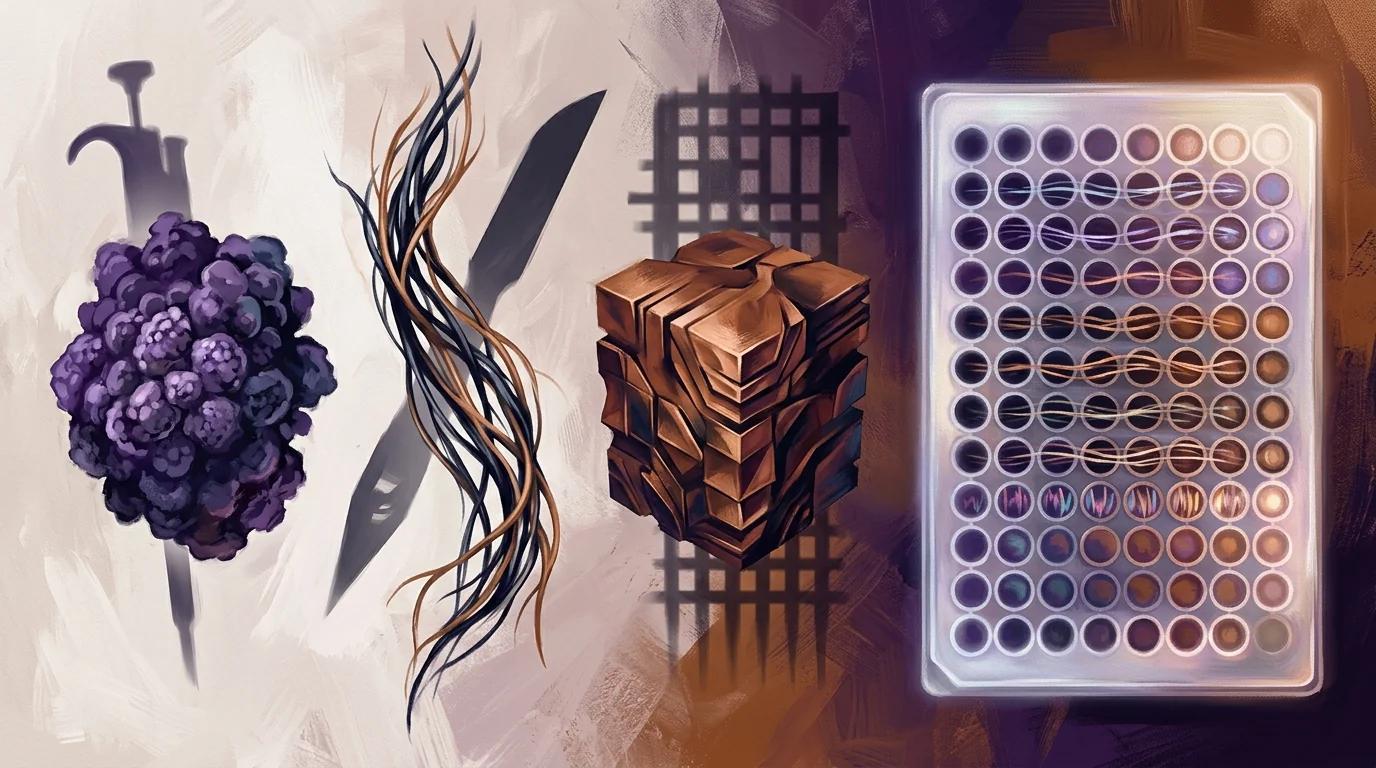
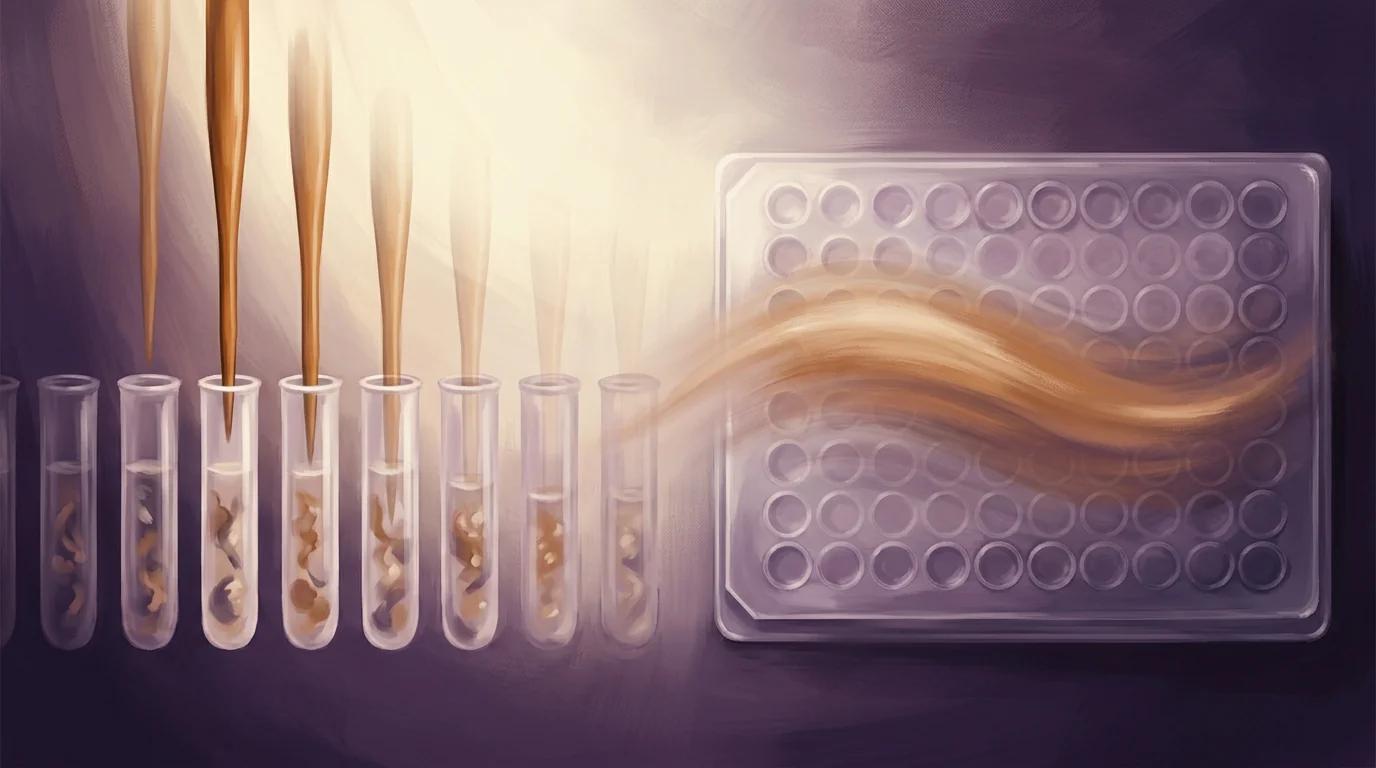
- 96-well round-bottom plate workflow (Cat. No. 53139) — each homogenized sample split across 8 wells (1 column) at 100 uL per well, plate-sealed, sonicated, briefly spun, then pooled back together for downstream use. Up to 12 samples per plate.
- Frozen tissue fixation procedure — 1% formaldehyde in cold 1X PBS, 15 min rotation at room temperature, 5 min glycine-based Stop Solution quench, processed in batches of up to 3 samples to prevent thaw before fixation.
- Bead-based homogenization parameters — Omni Beadruptor at 4 m/s for 20 s in 1 mL Cell Shearing Buffer with PIC + PMSF, using 6 × 2.4 mm or 3 × 5 mm stainless steel beads, with a second cycle flagged for tough tissues (uterus, ovary, colon, adipose).