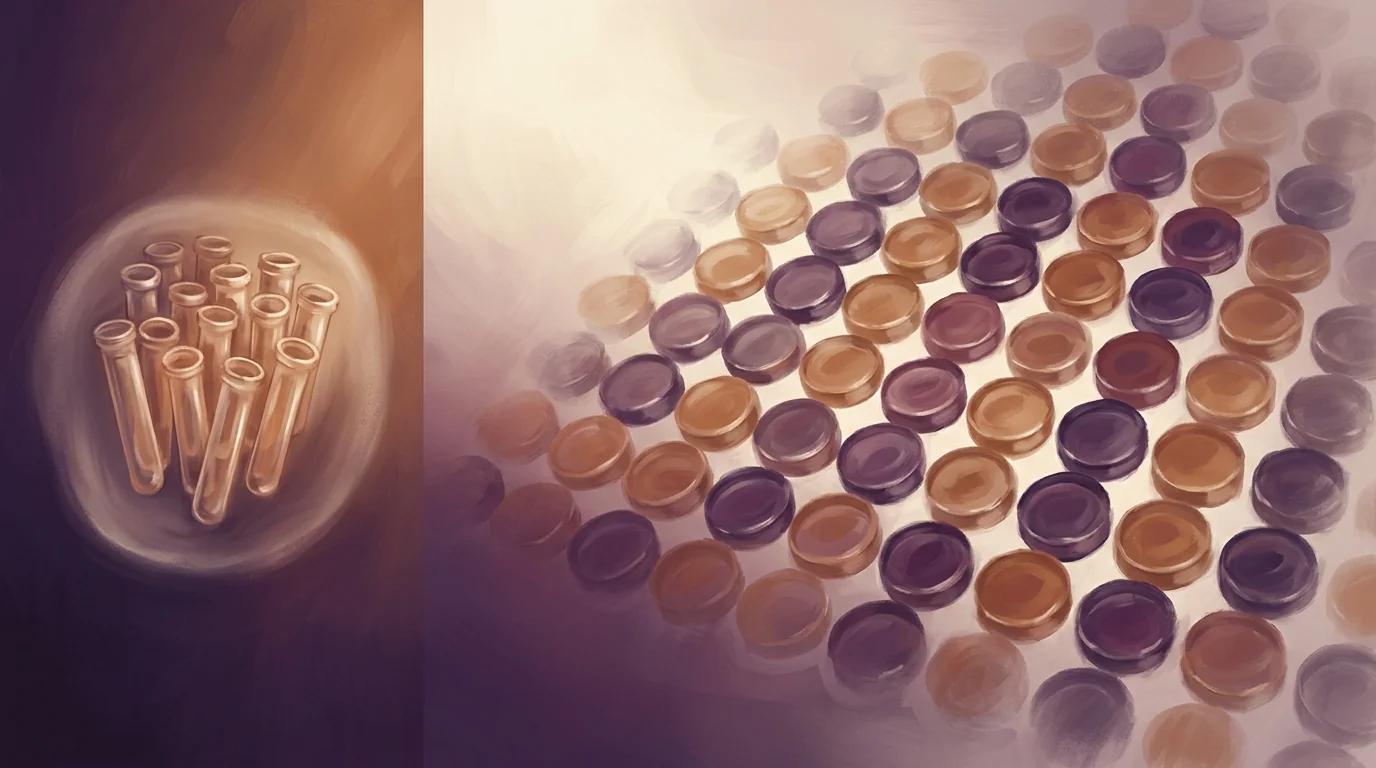
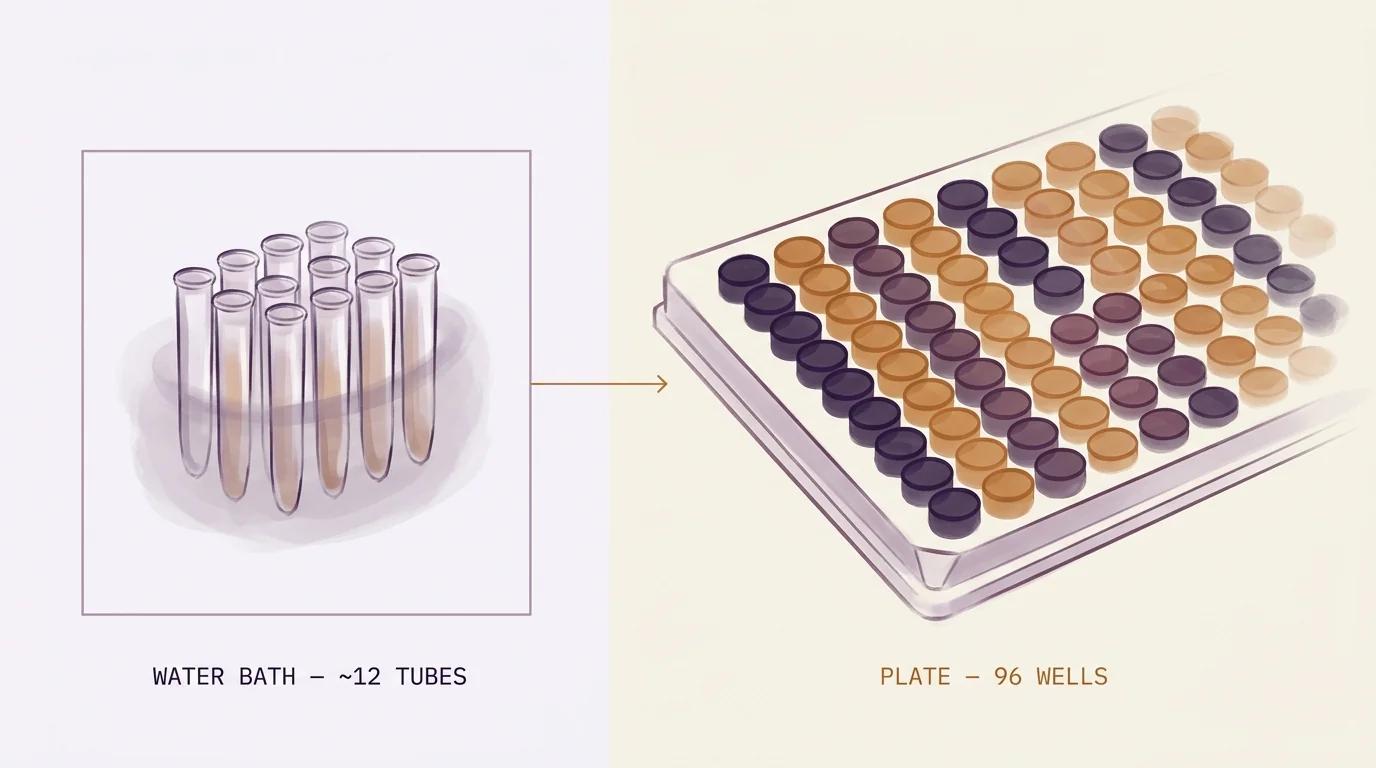
- A water-bath ultrasonicator and a high-throughput multi-sample sonicator do the same gentle, parallel disruption — they differ in scale. One tops out around a dozen tubes at a single setting; the other runs a full 96-well plate in one pass.
- The deciding factor is rarely the disruption itself — it’s batch size, protocol flexibility, and run-to-run consistency at scale. A spec sheet won’t show you those; your sample queue will.
- A water bath stays the right tool for small, uniform batches — but you outgrow it the moment runs grow, sample types multiply, or you need a documented result in every well. That’s the gap a high-throughput sonicator like PIXUL fills.
For a lab moving past probe sonication, the two natural next steps both share the same appeal: gentle, parallel disruption without standing over each tube. A water-bath ultrasonicator is the smaller-batch version of that idea. A high-throughput multi-sample sonicator is the same idea at plate scale. The question isn’t which one disrupts “better” — both work. The question is how far each one scales, and how much control you keep when the samples aren’t all the same.
Both methods disrupt gently — they part ways on scale
Start with what they share, because it’s the honest part. A water-bath ultrasonicator and a high-throughput multi-sample sonicator both disrupt samples with acoustic energy in parallel — no probe touching each tube, no one-at-a-time heating. For a lab moving off probe sonication, either is a more parallel, less operator-dependent step.
The difference is how far they scale. A water-bath sonicator holds a rack of tubes — typically six to sixteen — and applies one energy setting to the whole bath. That’s a clean fit when the batch is small and every sample is the same. The ceiling shows up when the batch grows or the samples stop being identical.
The difference bites at batch size, protocol flexibility, and consistency
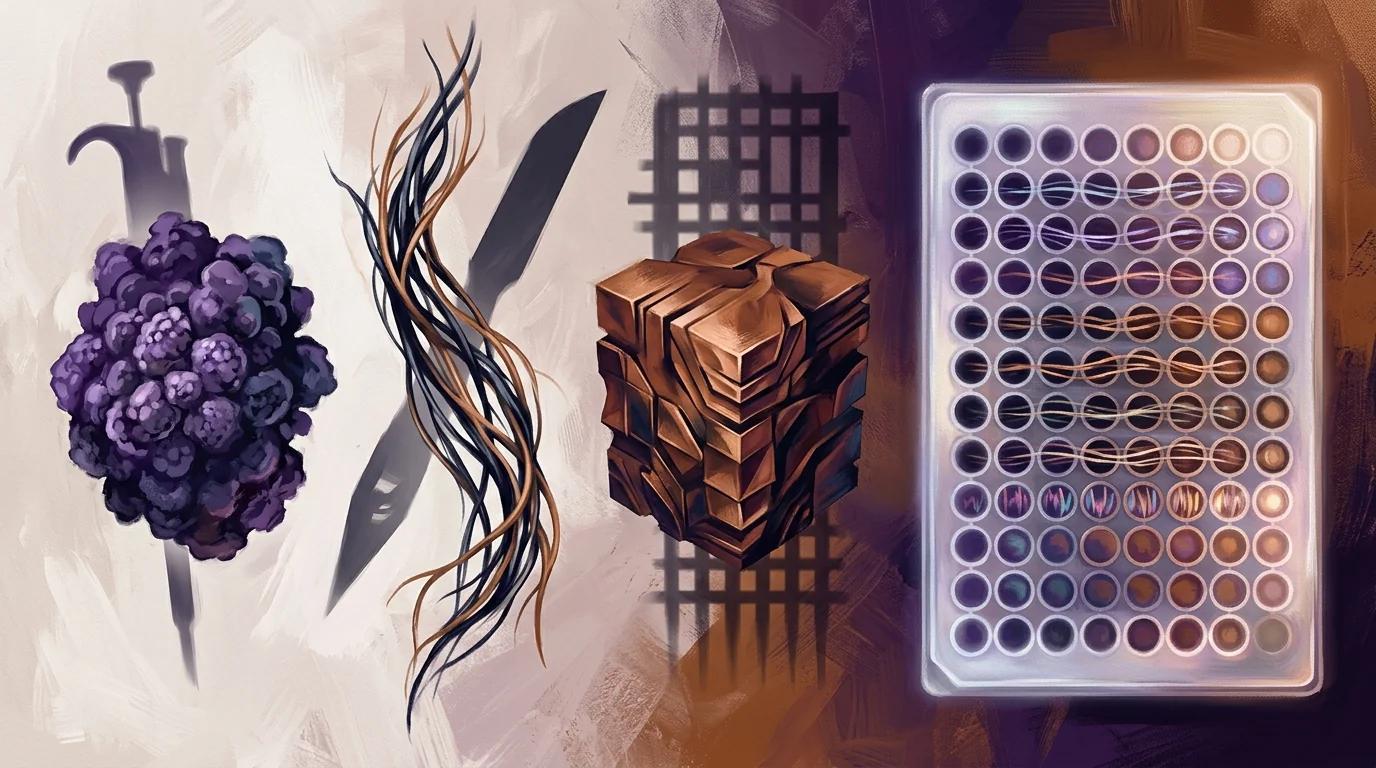
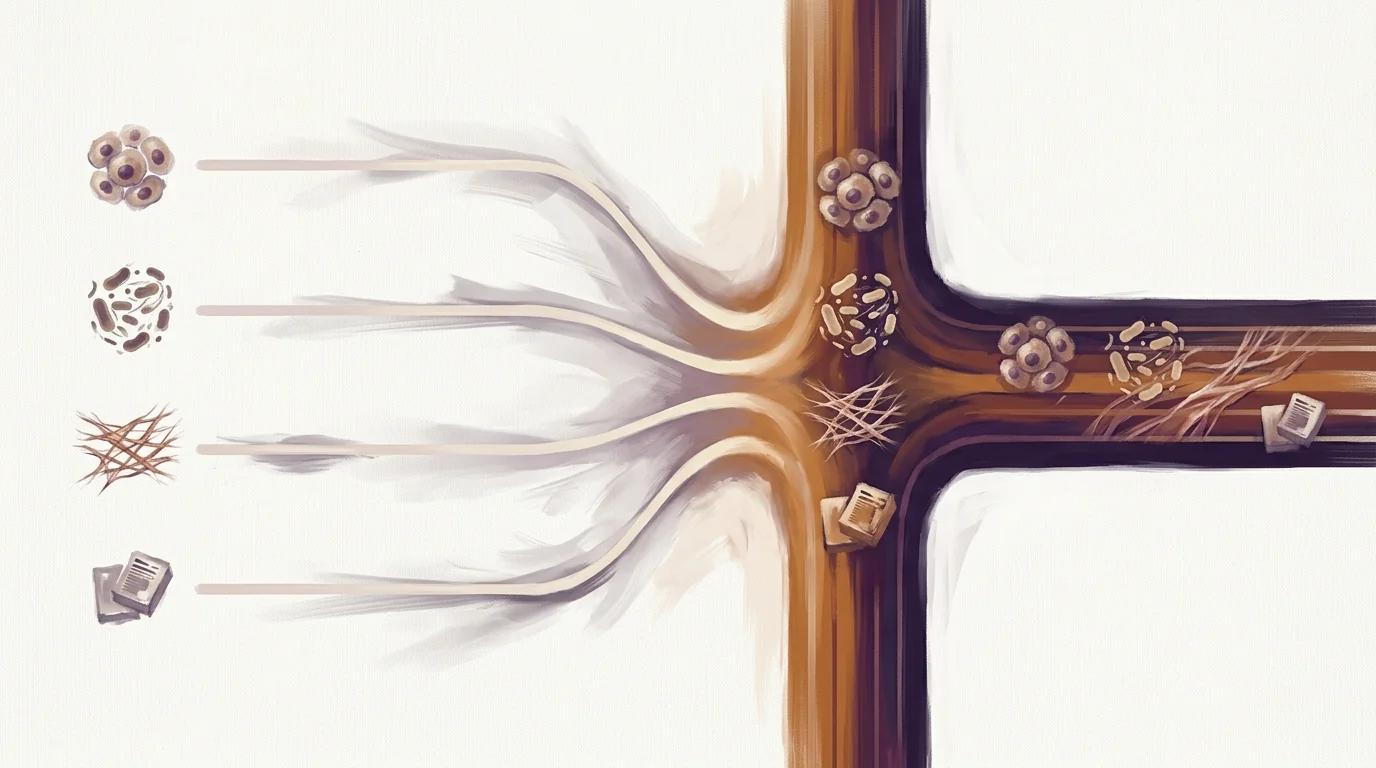
This is where a high-throughput sonicator changes the math. Where the water bath holds a dozen tubes at one setting, PIXUL disrupts a full 96-well plate in a single run and lets you program each column independently — energy and time set per column, not per bath. Cells in one column, tough tissue in the next, on the same plate (every sample type on one plate). And because two transducers drive each column, the result holds across all 96 wells — documented in the peer-reviewed literature, which is what lets a core build a method on it (cross-plate consistency).
| Dimension | Water-bath ultrasonicator | High-throughput multi-sample sonicator (PIXUL) |
|---|---|---|
| Throughput per hands-off run | ~6–16 tubes | Full 96-well plate |
| Protocol control | One energy setting for the whole bath | Programmable per column (energy + time) |
| Mixed sample types in one run | No — one uniform batch | Yes — a different protocol per column |
| Output format | Individual tubes | 96-well plate (feeds downstream automation) |
| Run-to-run consistency at scale | Consistent within a small batch; not documented at plate scale | Documented across all 96 wells in peer-reviewed work |
| Best fit | Small, uniform, low-volume batches | Cores with variable, growing, multi-PI demand |
The pattern in that table is the whole decision: a water bath is optimized for a few of the same; a high-throughput sonicator is optimized for many that differ.
A water bath is still the right call for small, uniform batches
None of this makes a water bath the wrong instrument. If your runs are small, your samples uniform, and your volume steady, it does exactly what you need at a smaller capital footprint — and there’s no reason to replace a tool that fits the work.
A water bath isn’t worse than a plate-based sonicator — it’s smaller. You switch when your science outgrows the batch size, not before.
“We already have a water bath — is it worth switching?”
Does moving from a water bath to a plate-based sonicator actually change your results?
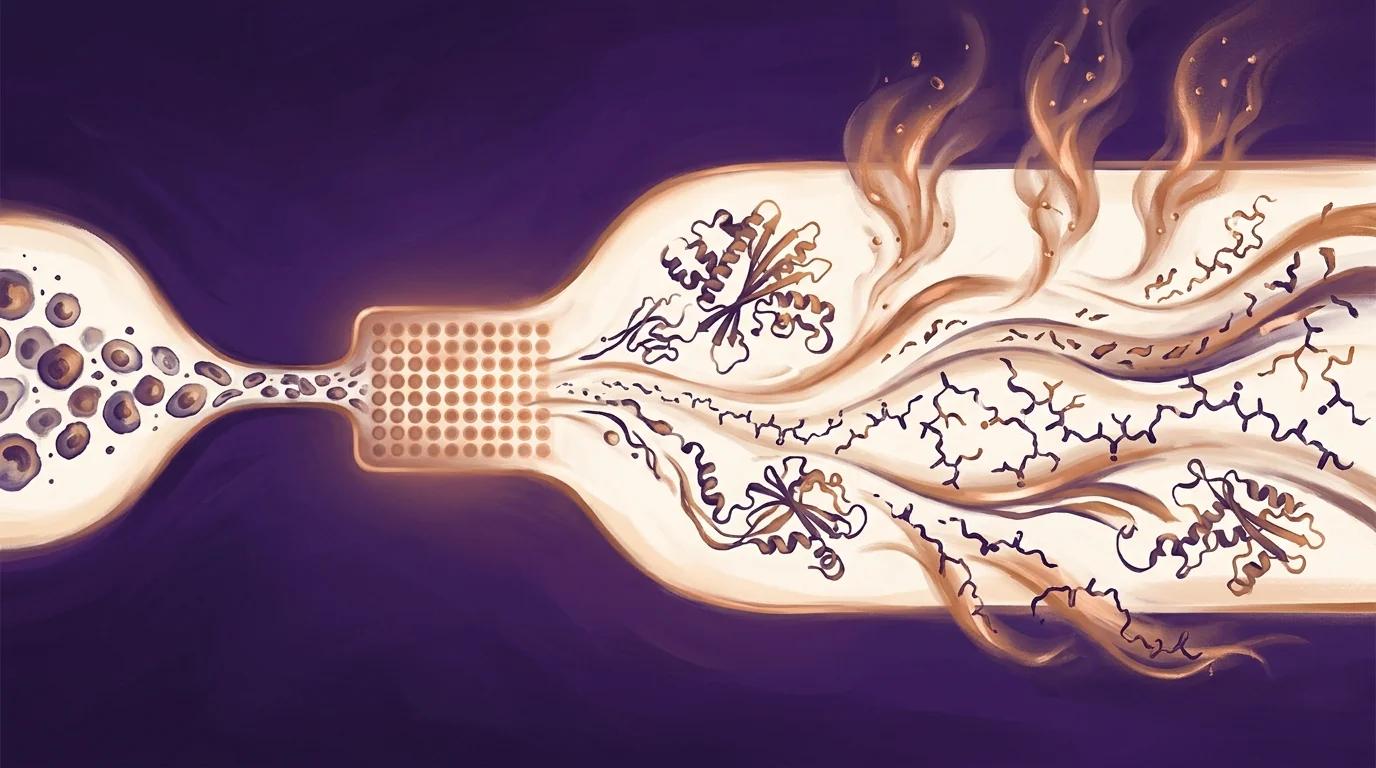
Not the disruption chemistry — both are gentle and parallel. What changes is what you can run in one pass: 96 wells instead of a dozen tubes, a different protocol per column instead of one setting for the bath, and a documented result in every well. If your queue is growing or your sample types are multiplying, that’s the difference between keeping up and turning work away (load 96 and walk away).
Decide by where your runs are heading, not where they are
A water bath answers today’s small, uniform batch. The question for a shared core is the next few years — more groups, more sample types, more requests per instrument. Evaluate against where your runs are heading, not just where they are — and against the criteria that hold up across a full multi-PI workload. If that’s larger, more varied, and more frequent, the dozen-tube ceiling is the first constraint you’ll hit.
Try running a plate beside your current bath, on your own samples, and compare. [→ book a working demo].