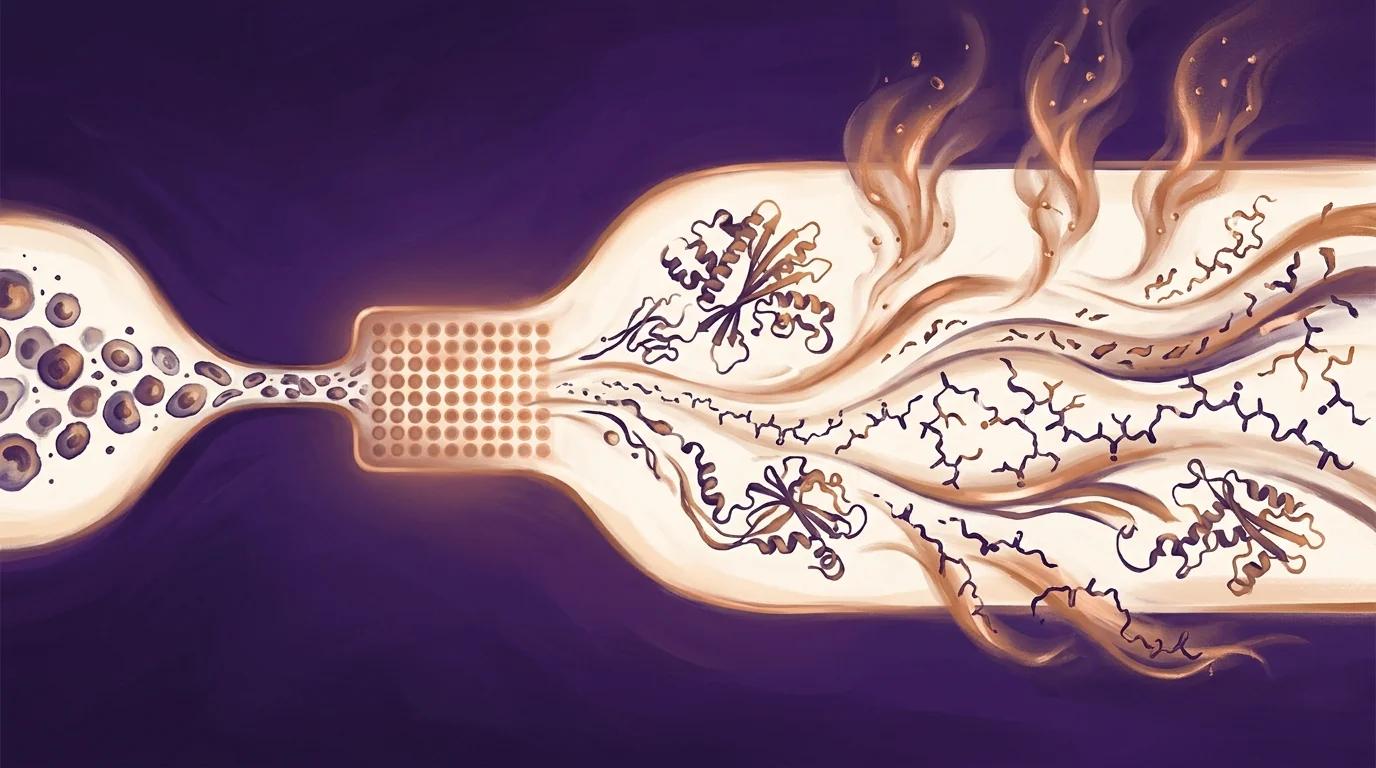

- In a shared proteomics core, the instrument that earns its place is increasingly the most versatile one: the one that disrupts the widest range of sample types on a single plate, not the most specialized.
- Flat budgets and rising multi-omics demand have made the old "a new instrument for every sample type" model untenable: single-purpose instruments sit idle while the queue of investigators grows.
- Versatility is won or lost at sample prep, the most sample-specific step. Before the next single-purpose purchase, define what your facility's front end has to cover over the next few years — not just today's protocol.
Ask anyone who runs a shared proteomics facility what their week actually looks like, and you'll hear a version of the same thing: a queue of investigators, each arriving with a different organism, a different sample, a different question.
Mammalian cells one morning. Bacterial pellets the next. A plant tissue someone is convinced nothing will lyse. A tray of clinical blocks that have been in a freezer for a decade. The work is rarely one assay done beautifully. It's range. And underneath it, the quiet pressure of not being able to say no.
One instrument per problem turns your budget into a shelf of idle, single-purpose boxes
For years, the answer to a new sample type was a new instrument: a dedicated tool for the hard tissue, another for the small batches, a specialist box for the high-value work.
Each purchase solved a real problem. Together they did something less useful. They turned the facility's budget into a shelf of single-purpose equipment, most of it idle most of the time, none of it able to cover for the rest.
Flat budgets and multi-omics demand break the one-instrument-per-problem model
Budgets stopped growing while demand didn't: more groups, more sample types, more requests per instrument every month.
And proteomics stopped arriving on its own. The same cohort a lab hands you for protein is increasingly the one the genomics group wants for something else. A facility judged on how many questions it can take on can't afford a bench where every instrument answers exactly one.

Now, instruments that earn their bench space absorb the whole range
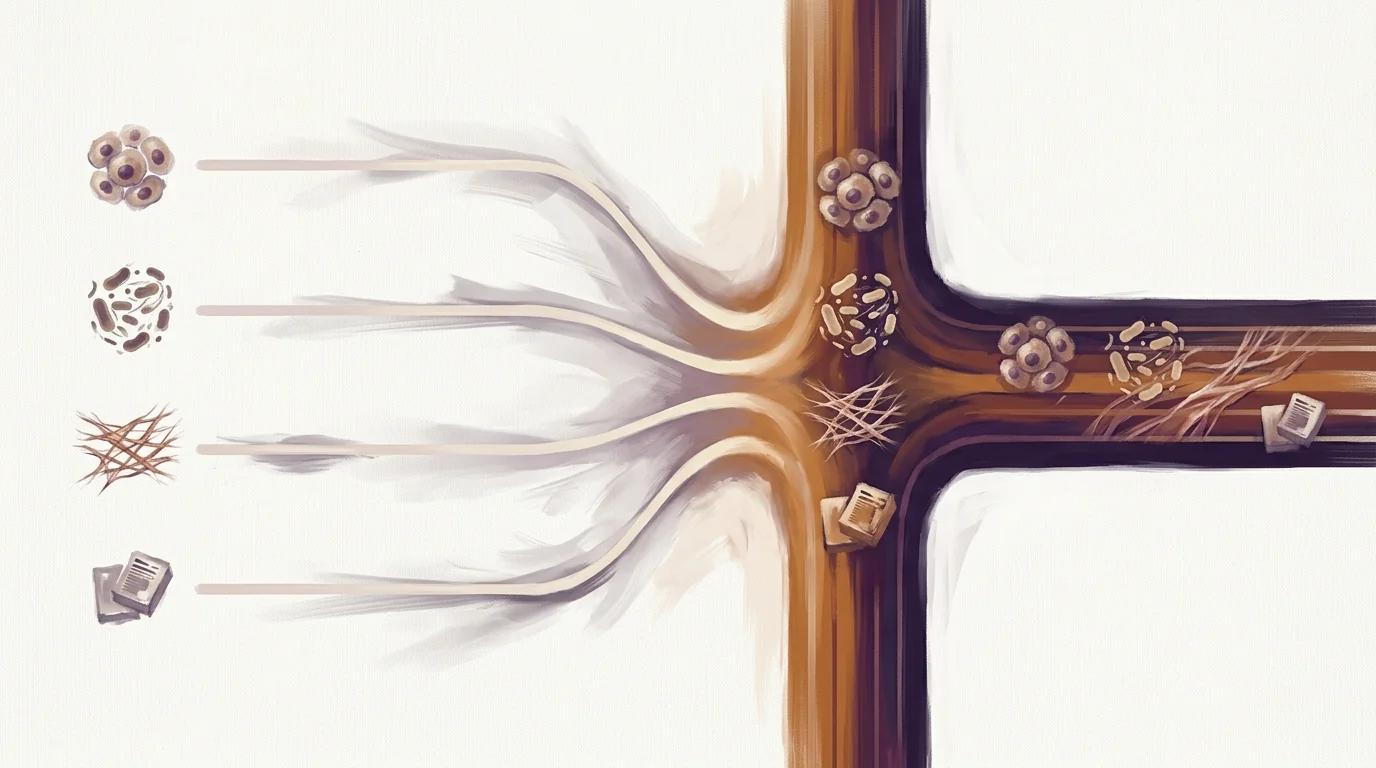
The instruments worth their place have changed with it. The ones that earn their bench space now absorb range: the cell line, the bacterial pellet, the tough tissue, the archived block, on the same plate, in the same run, no method rebuild in between.
When we asked scientists who run busy proteomics cores how they actually choose equipment, this came back ahead of throughput and ahead of cost. One put it plainly: the deciding factor was the ability to serve different research questions. That was the main thing. Everything else was negotiable.
The instruments worth their bench space are the ones that let the facility keep saying yes.
That reframes what "capability" even means for a shared resource. A spec sheet measures an instrument against one task, under ideal conditions, with a sample it was tuned for. A core has to measure it against the next twelve tasks it can't predict yet.
So the useful question isn't how well does this run my current protocol? It's how many of the questions I can't see coming will this absorb, without another purchase, another service contract, or another claimed corner of the bench?
And sample prep makes or breaks your range — the most sample-specific step
Sample prep is where that question bites first, because it's the step that stays most stubbornly sample-specific. A mass spectrometer is largely indifferent to whether the peptides came from yeast or muscle. The disruption step is not. Cell walls, connective tissue, fixation chemistry, and slime layers each fight back differently.
So the unglamorous business of getting clean protein out of whatever shows up is where a facility's versatility is won or lost.
A core can have the most capable mass spec in the building and still turn investigators away because the prep bench only handles half of what they bring.
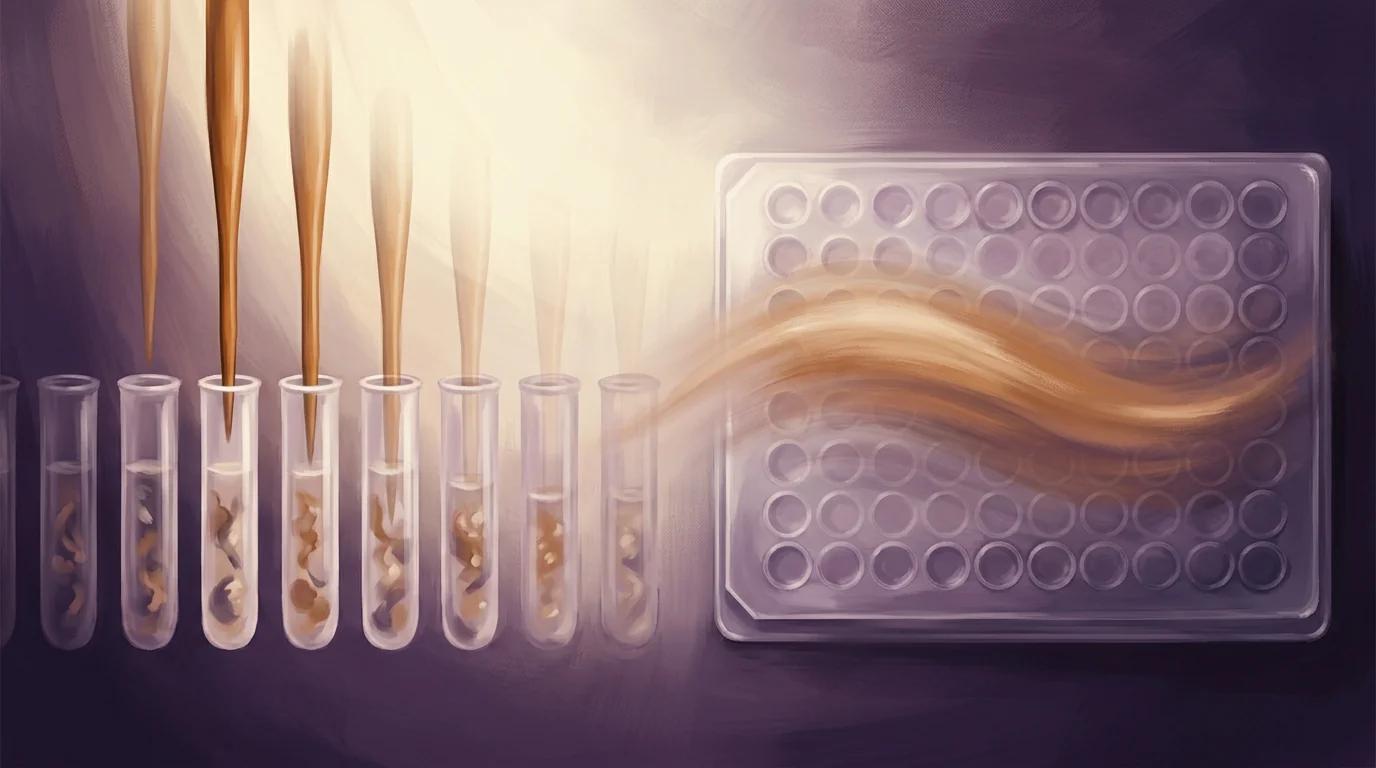
This is the logic PIXUL was built around: disrupt cells and extract protein from a full 96-well plate in a single hands-off run, adjusting energy and time per column rather than per instrument. Cells in one column, tough tissue in the next, on the same plate. The protein holds up against the probe sonication it replaces, validated in peer-reviewed proteomics work rather than asserted on a brochure.
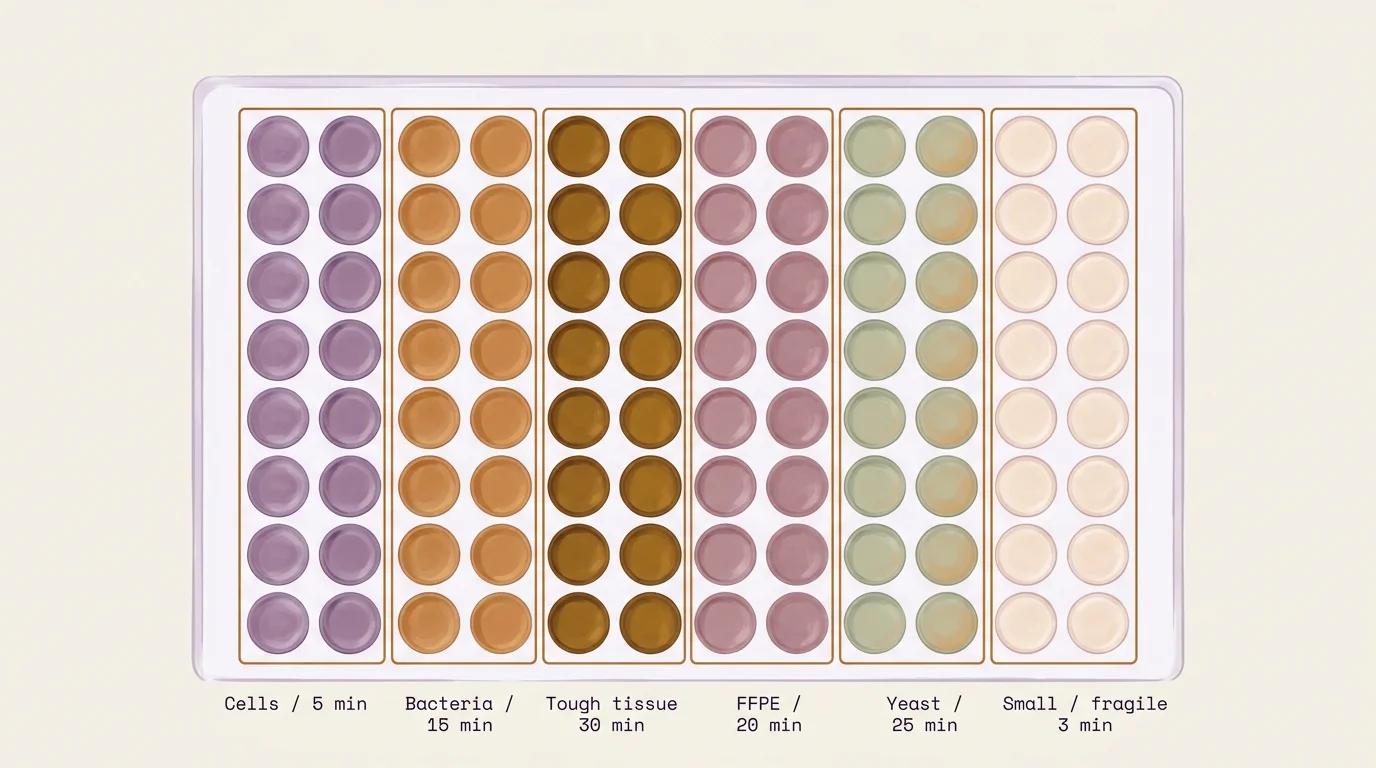
The point isn't that it's the only way to prep a sample. Plenty of methods work, and a general-purpose instrument still has to be honest about its edges: the rare sample that genuinely needs a different approach. The point is narrower and more useful to someone running a core: one instrument that covers the range is worth more than several that each cover a slice. See the full evaluation framework for a multi-PI core's front end.
That advantage compounds past the bench, too. Every single-purpose instrument is its own training burden, its own maintenance schedule, its own line item to defend at budget time, and its own way to be down when the one person who knows it is on leave.
So before you buy another single-purpose box, ask what your front end must cover
The most valuable sample-prep instrument in a proteomics core is rarely the most specialized one. It's the one that lets you stop turning work away.
Versatility used to read as a nice-to-have, a bonus on top of the real specifications. On a flat budget serving a growing queue of unpredictable questions, it has quietly become the whole job.
If you're weighing what your facility's front end has to cover over the next few years (not just today's protocol, but the dozen requests you can't predict yet), that's the conversation worth having before the next single-purpose box goes on the bench.