Programmable mRNA therapeutics for controlled epigenomic modulation of single and multiplexed gene expression in diverse diseases
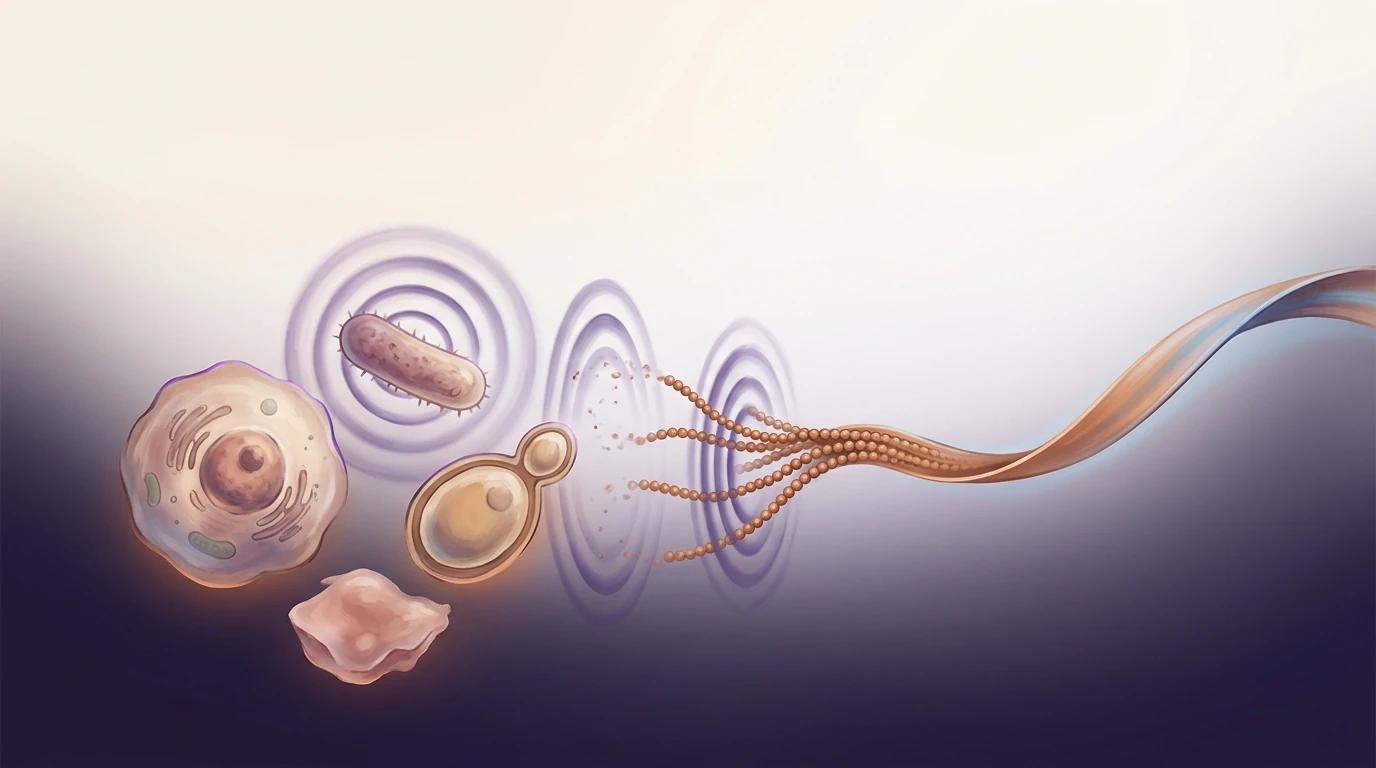
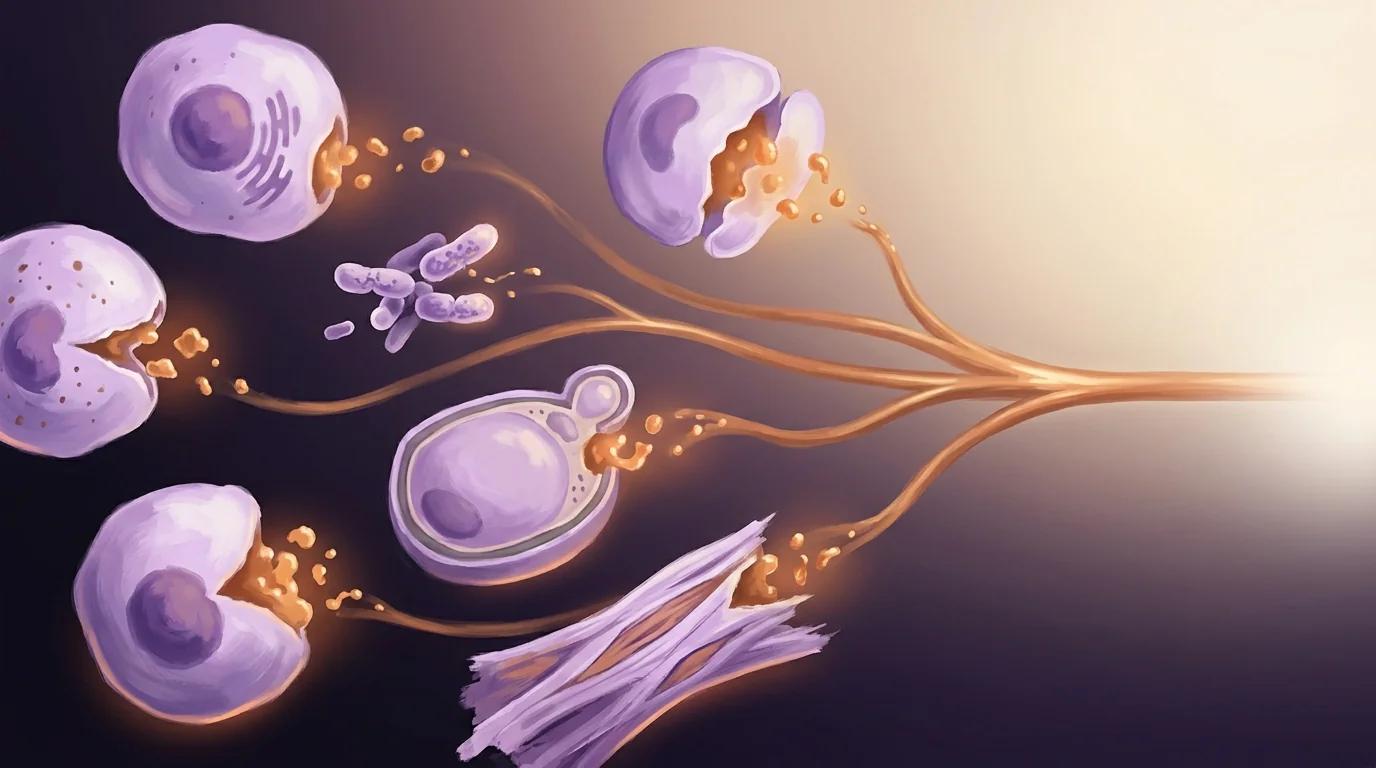
mRNA therapeutics deliver a coded instruction to a patient's cells, which then translate the instruction into a therapeutic protein. For developers, two protein-level questions decide whether a candidate moves forward: how much of the delivered controller protein each treated cell actually produces, and how cleanly that protein knocks down the target protein it was designed to silence.
O'Donnell and colleagues built a programmable mRNA-therapeutic platform, then used PIXUL-prepared whole-cell lysates with automated Western quantification to watch the translated controller protein appear and clear in transfected cells. The platform achieved up to 97% target-protein reduction in primary human cells and held serum target-protein suppression for six months in mice from a single dose.
The takeaway: parallel PIXUL sample preparation gives an mRNA-therapeutic program the protein-level readout it needs to move from cell-line validation into in vivo efficacy.
Key findings
- Decoupled pharmacokinetics and pharmacodynamics resolved at the protein level — the delivered controller protein became undetectable in transfected cells within four days, while target-protein knockdown and on-target activity persisted for 49 days after a single transfection, defining the clean expression window a controller-protein program needs to act on.
- Up to 97% target-protein reduction in primary human cells — in primary asthma lung fibroblasts, CXCL8 protein dropped 97% relative to IL1A-stimulated controls, with CXCL1 and CXCL3 proteins falling 24–40% from the same single bicistronic mRNA dose — a multi-gene knockdown profile resolved at the secreted-protein level.
- Serum target-protein suppression sustained for six months from a single dose — a single 3 mg/kg Pcsk9-targeting dose in mice produced robust serum Pcsk9 reduction across the full six-month sampling window with no diminution of effect, while a CXCL-targeting construct reduced neutrophil migration 60–80% in Boyden chamber assays across six donor samples.
PIXUL in the methods
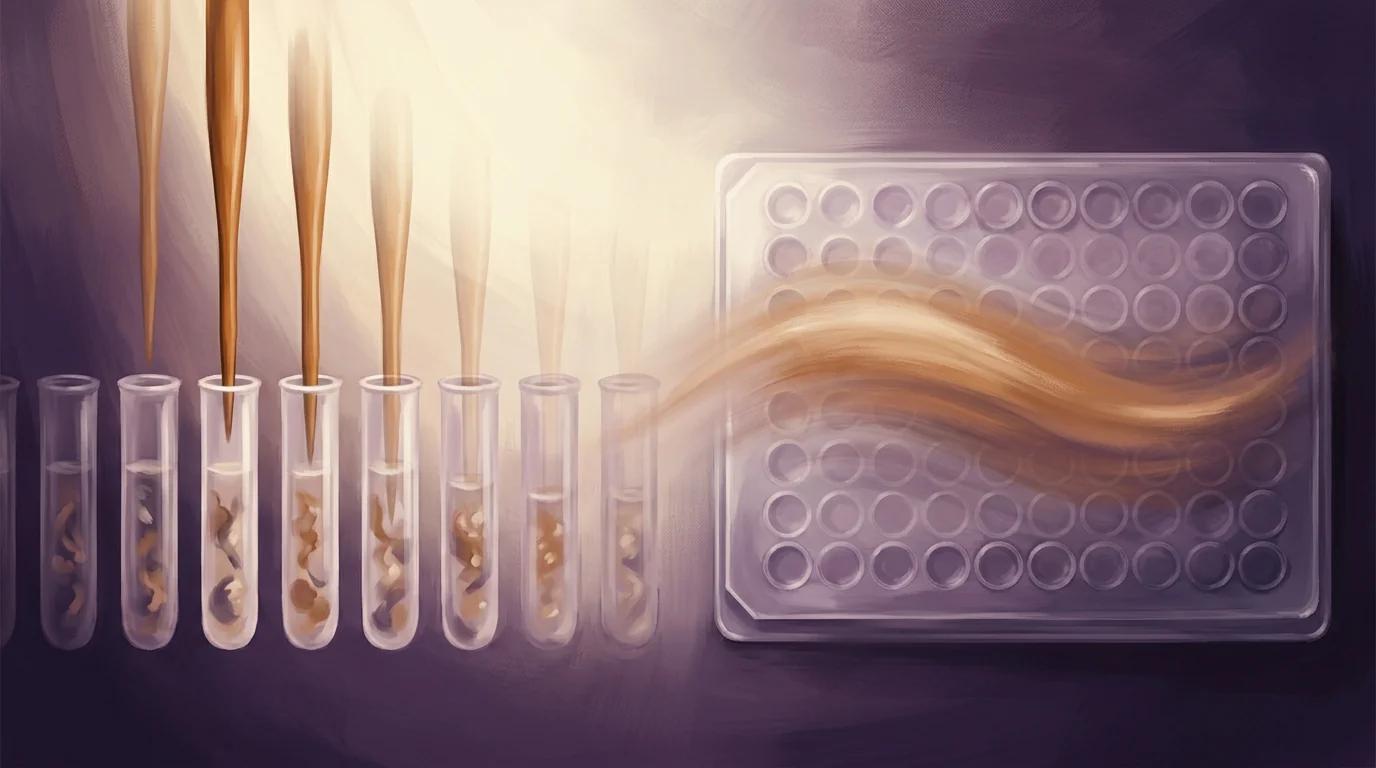
"Whole-cell lysates (WCEs) were prepared through lysing cell pellets for 3 min in 1X protein sample loading buffer (LICORbio, Cat# 928-40004) supplemented with 10 mM β-mercaptoethanol and Halt Protease Inhibitor Cocktail (ThermoFisher Scientific, Cat# 78429) then subjected to sonication on a PIXUL Multi-Sample Sonicator (Active Motif, Cat #53130) according to the manufacturer's recommended settings."
— O'Donnell et al., Nature Communications (2025), Methods, Protein Immunodetection section
Why it matters for PIXUL users
If you run quantitative proteomics workflows that resolve newly-translated protein from transfected mRNA constructs, this paper is peer-reviewed evidence that PIXUL produces whole-cell lysates clean enough to drive a time-resolved protein-expression readout on an automated immunoassay platform. The authors used PIXUL to lyse pelleted cells in 1X protein sample loading buffer supplemented with β-mercaptoethanol and Halt Protease Inhibitor — a single sonication step that fed directly into quantification of their delivered controller proteins and let them resolve appearance and clearance of the translated protein on a four-day timescale. For your lab, the practical takeaway is that one 96-well sonication step replaces the manual probe-tip lysis loop that traditionally bottlenecks parallel protein-expression assays. The result is consistent extraction across every well, reproducible loading on automated immunoassay systems, and a workflow that scales from a single mRNA construct to a full dose-response panel without operator-introduced variance.