A high throughput PIXUL-Matrix-based toolbox to profile frozen and FFPE tissues multiomes
Hospitals and tissue banks hold hundreds of millions of formalin-fixed paraffin-embedded (FFPE) tissue blocks, but the authors note these archives "remain highly underutilized" because standard sample-prep methods are slow, labor intensive, and low throughput — and typically require a separate pipeline to pull each molecular layer out of a block.
Mar and colleagues built a 96-well PIXUL-Matrix workflow that extracts protein, DNA, and RNA in parallel from the same fresh-frozen or FFPE mouse tissue, then profiled four organs — brain, heart, kidney, and liver — across both sample types. FFPE-to-frozen protein abundance correlations reached Pearson R² ≥ 0.95 in every organ, exceeding prior FFPE-proteomics benchmarks (R² > 0.9), and FFPE blocks stored at room temperature for 1.5 years performed indistinguishably from freshly prepared blocks.
The takeaway: the FFPE tissue already sitting in your archive is a viable input for a modern multi-omic workflow, run on one instrument, at 96-sample throughput.
Key findings
- FFPE-to-frozen protein abundance correlation reached Pearson R² ≥ 0.95 across all four organs — brain 0.969, heart 0.947, kidney 0.957, liver 0.953 — with comparable protein identification counts in FFPE versus frozen (5,267 vs 5,182 in brain; 5,321 vs 4,978 in heart; 5,292 vs 5,162 in kidney; 5,299 vs 5,076 in liver). The authors note this exceeds prior published FFPE-proteomics benchmarks (R² > 0.9).
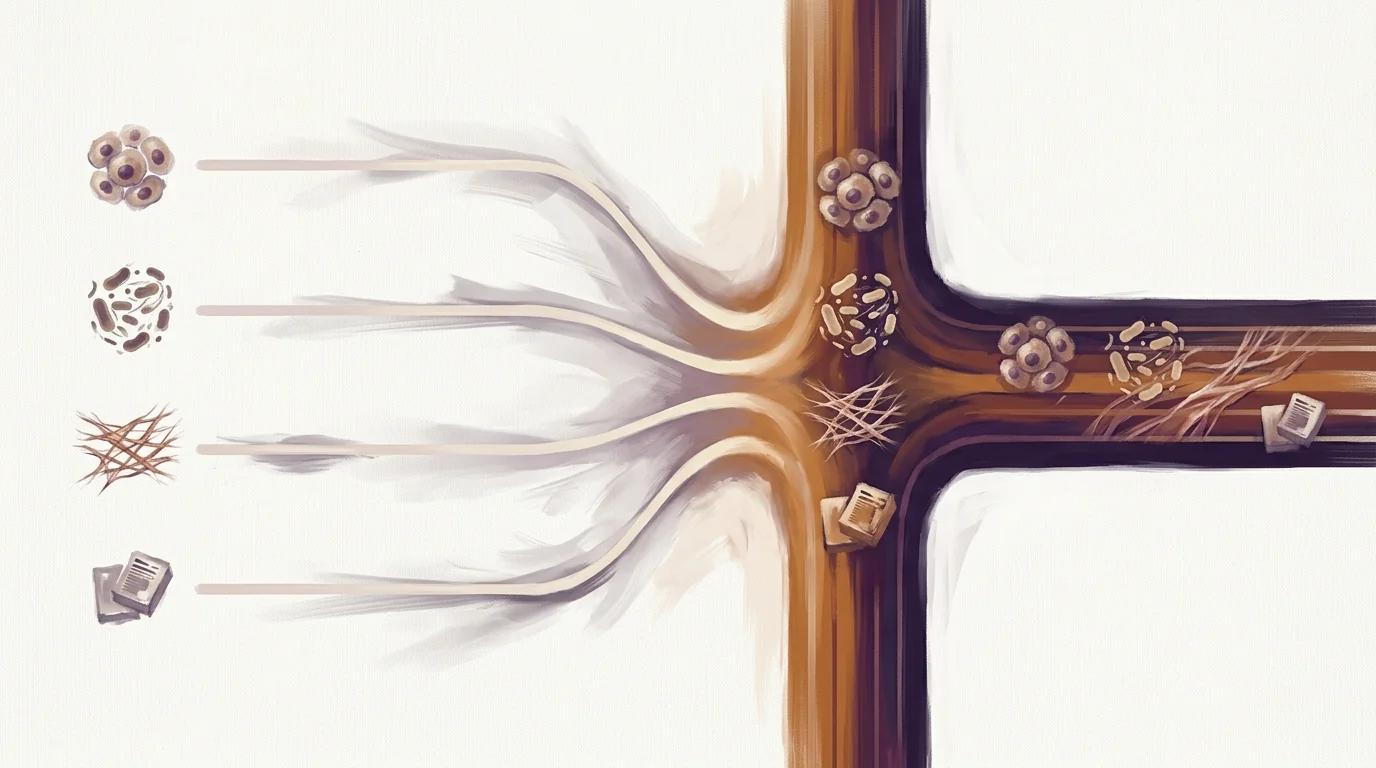
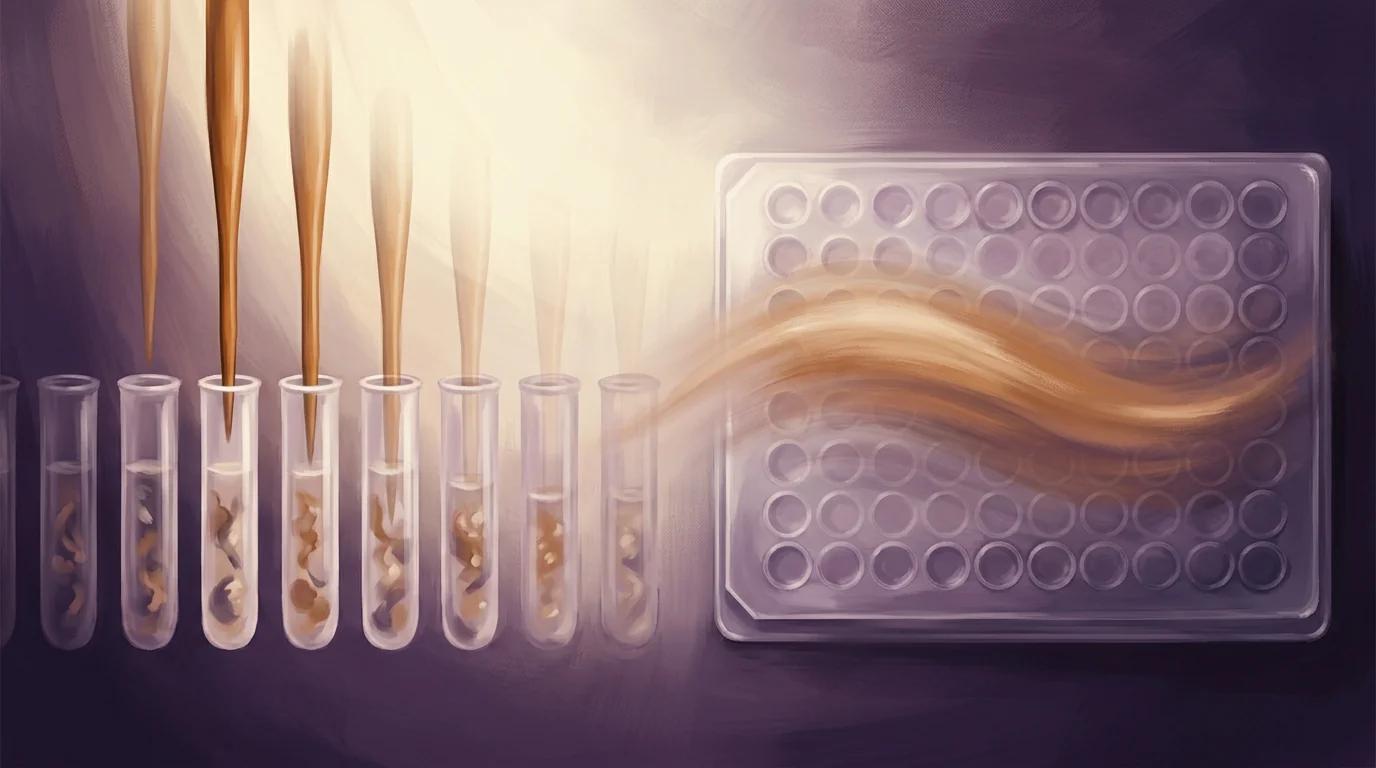
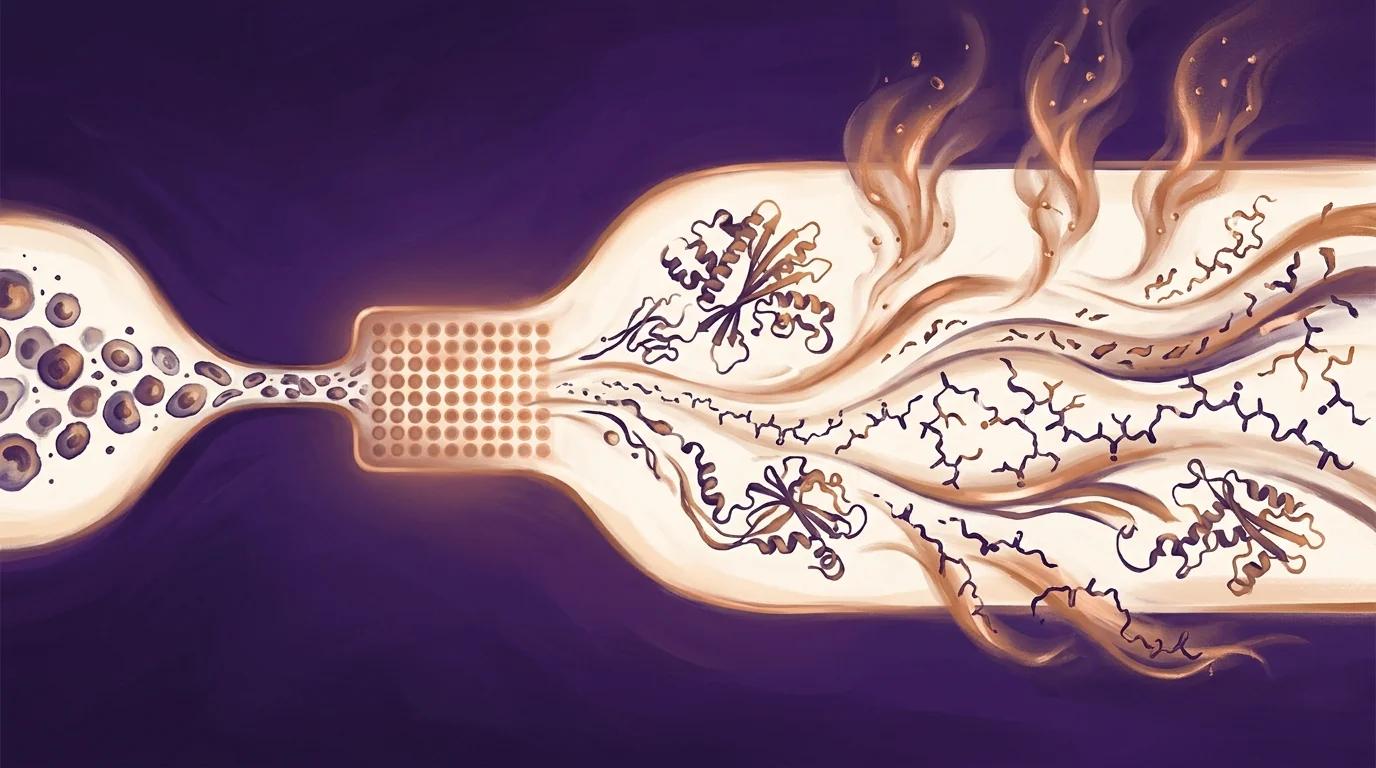
- One PIXUL workflow extracted protein, DNA, and RNA in parallel from the same tissue input in a 96-well format. The historical bottleneck — a separate sample-prep pipeline for each omic layer — collapses into a single plate, with chromatin, DNA, RNA, and protein prepared on one instrument.
- FFPE blocks stored at room temperature for 1.5 years yielded results indistinguishable from freshly prepared FFPE blocks, and RNA-seq libraries from frozen and FFPE tissues correlated at Spearman r = 0.83–0.91 across the four organs (brain 0.91, heart 0.83, kidney 0.87, liver 0.85). Long-archived clinical specimens remain viable inputs for modern multi-omic analysis.
PIXUL in the methods
"PIXUL multi-sonicator was used to extract and prepare chromatin, DNA, RNA and protein."
— Mar et al., Laboratory Investigation (2024), Materials and Methods, Devices section
Why it matters for PIXUL users
If you run proteomics, genomics, or multi-omic studies on tissue samples, this paper is direct peer-reviewed evidence that PIXUL delivers consistency at scale across protein, DNA, and RNA from a single biospecimen. The authors show all three molecular layers can be extracted in parallel from one 96-well plate, with FFPE-to-frozen protein correlations reaching R² ≥ 0.95 in every organ tested — meaning the FFPE blocks already sitting in your tissue archive are a viable input for the same workflow you would run on fresh-frozen material, including blocks stored at room temperature for 1.5 years. For multi-application labs, the practical takeaway is that one instrument supports your proteomics, genomics, and integrated multi-omic experiments without proprietary consumables, while the parallel 96-sample format matches the throughput of downstream mass spectrometers and sequencers. Your archived patient blocks stop being a storage problem and start being your largest untapped sample set.