Proteomics dataset of lysolecithin-induced demyelinated lesions in corpus callosum of Lewis rats, treated with Vagus nerve stimulation or sham treatment
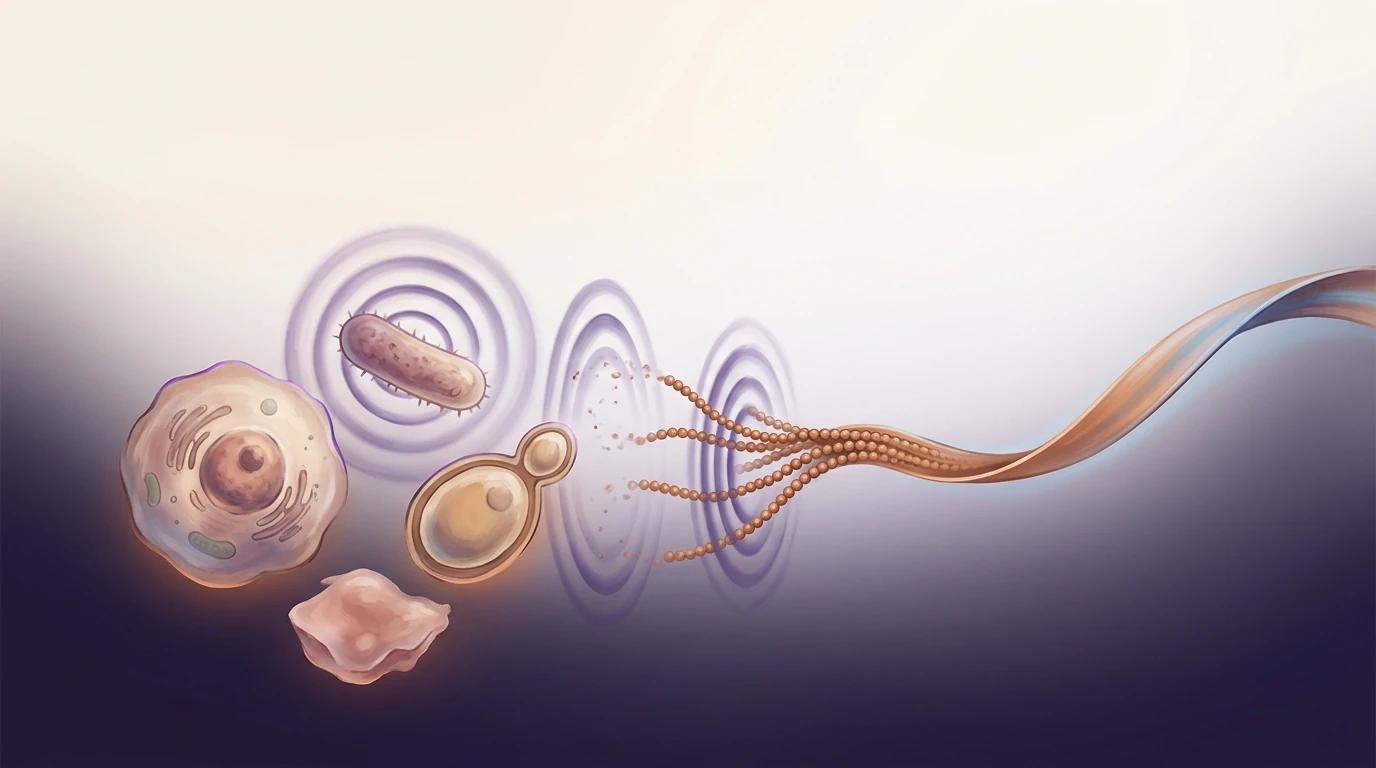
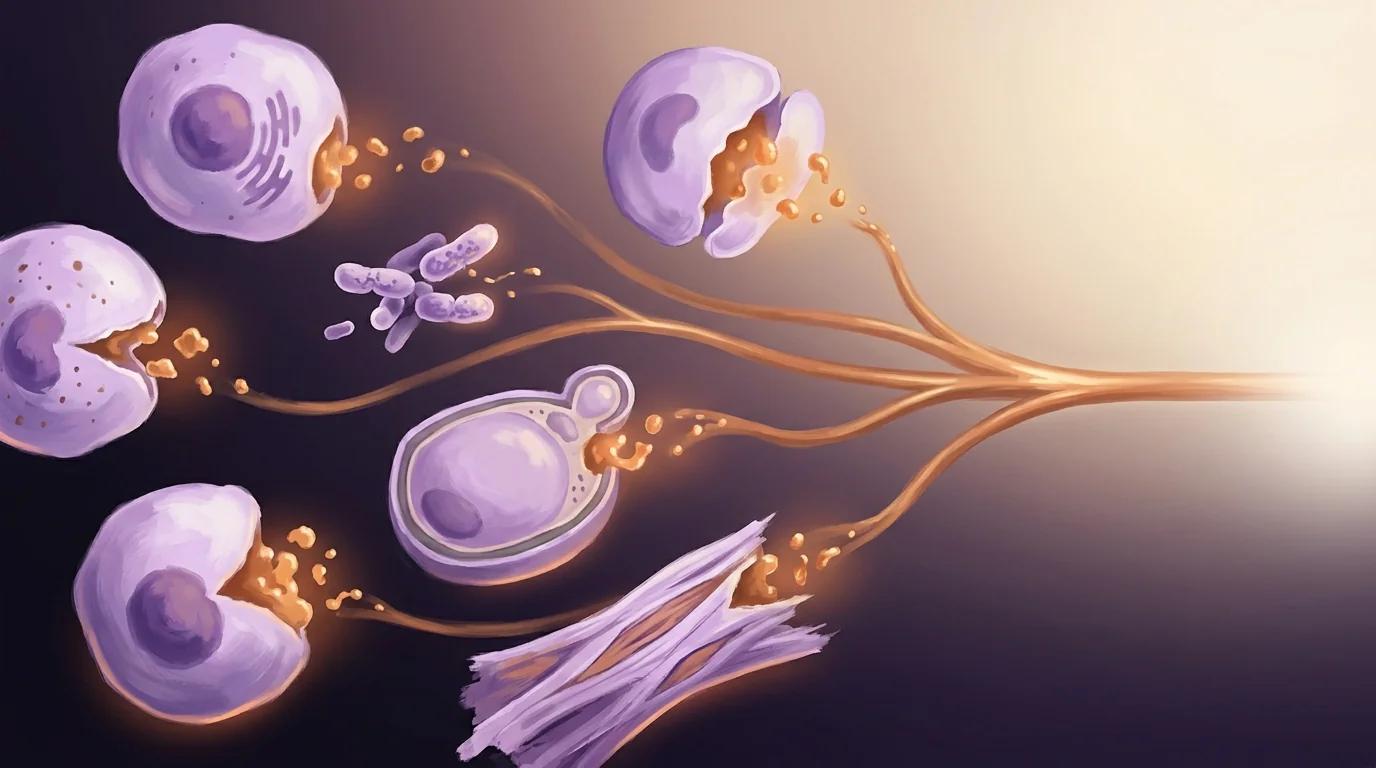
When the brain repairs itself after a focal injury, hundreds of proteins shift across the lesion in concert — but reading those signals out of a small, anatomically defined brain region has been a sample-prep bottleneck for neuroscience proteomics labs.
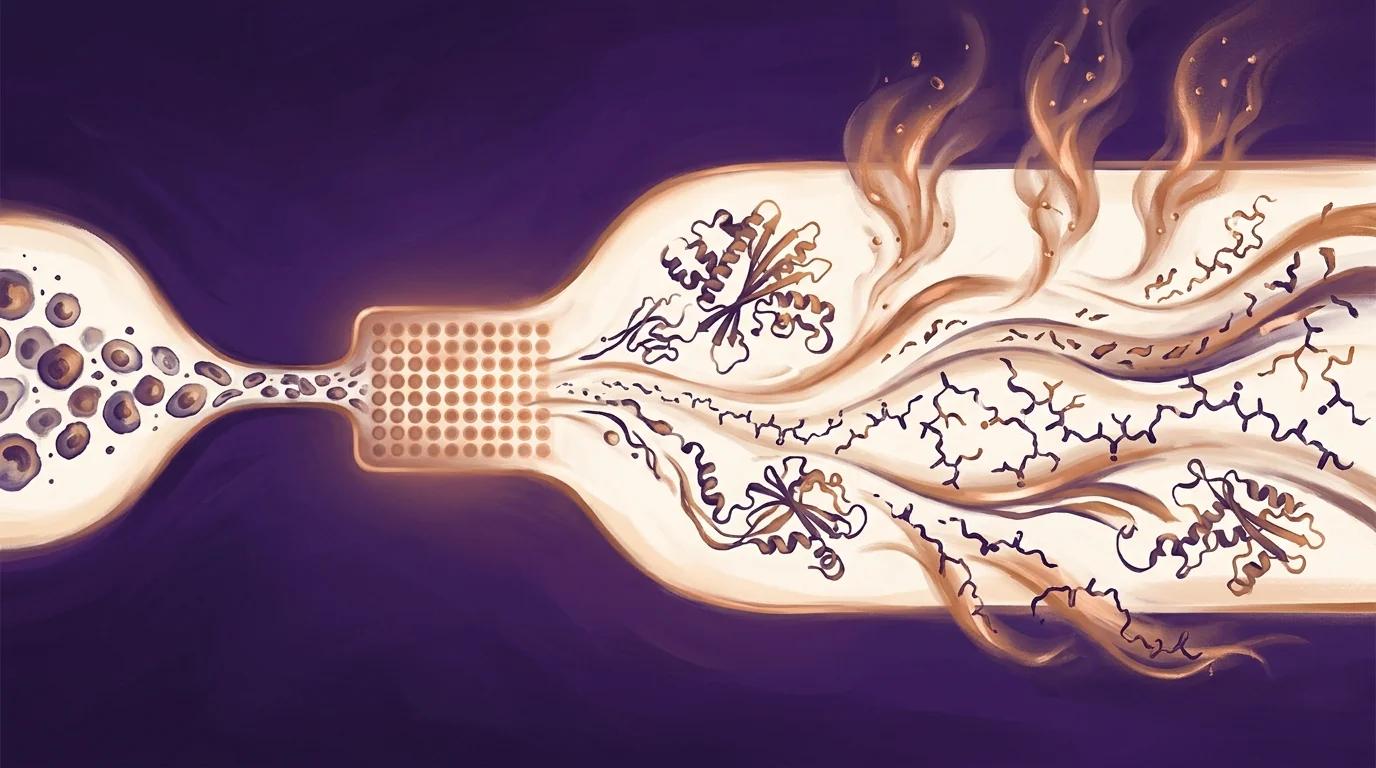
Bachmann and colleagues injected lysolecithin into the corpus callosum of female Lewis rats to create focal demyelinating lesions, treated half the animals with continuous vagus nerve stimulation and half with sham, then sampled lesions at two timepoints — 3 days (demyelination) and 11 days (remyelination) post-lesioning. Twenty lesion specimens were processed through a 96-well PIXUL plate, digested on S-traps, and analyzed by DIA-PASEF on a timsTOF SCP, yielding 8,172 reliably quantified proteins and hundreds of differentially expressed proteins between timepoints.
The full dataset is open at PRIDE (PXD050858) for the field to reuse.
Key findings
- 8,172 proteins reliably quantified across 20 corpus-callosum lesion samples (n=5 per condition × 4 conditions: demyelination/remyelination × cVNS/sham), processed in a single 96-well PIXUL-prepared workflow and analyzed by DIA-PASEF on a timsTOF SCP.
- Demyelination → remyelination axis resolved hundreds of differentially expressed proteins — 193 up / 341 down in sham rats and 231 up / 293 down in cVNS-treated rats (adjusted p ≤ 0.05, |log fold change| ≥ 1) — a high-confidence reference set for endogenous CNS lesion repair.
- Direct cVNS-vs-sham contrast returned zero significantly differentially expressed proteins at either timepoint under the same statistical thresholds, an explicit negative result the authors report and a useful prior for anyone designing follow-up VNS proteomics studies.
- Full dataset open and reusable — raw spectra at PRIDE (PXD050858), protein tables and differential-expression results at Zenodo, and R analysis scripts on GitHub, ready for meta-analysis or pooling with other LPC-demyelination or VNS-treatment proteomics datasets.
PIXUL in the methods
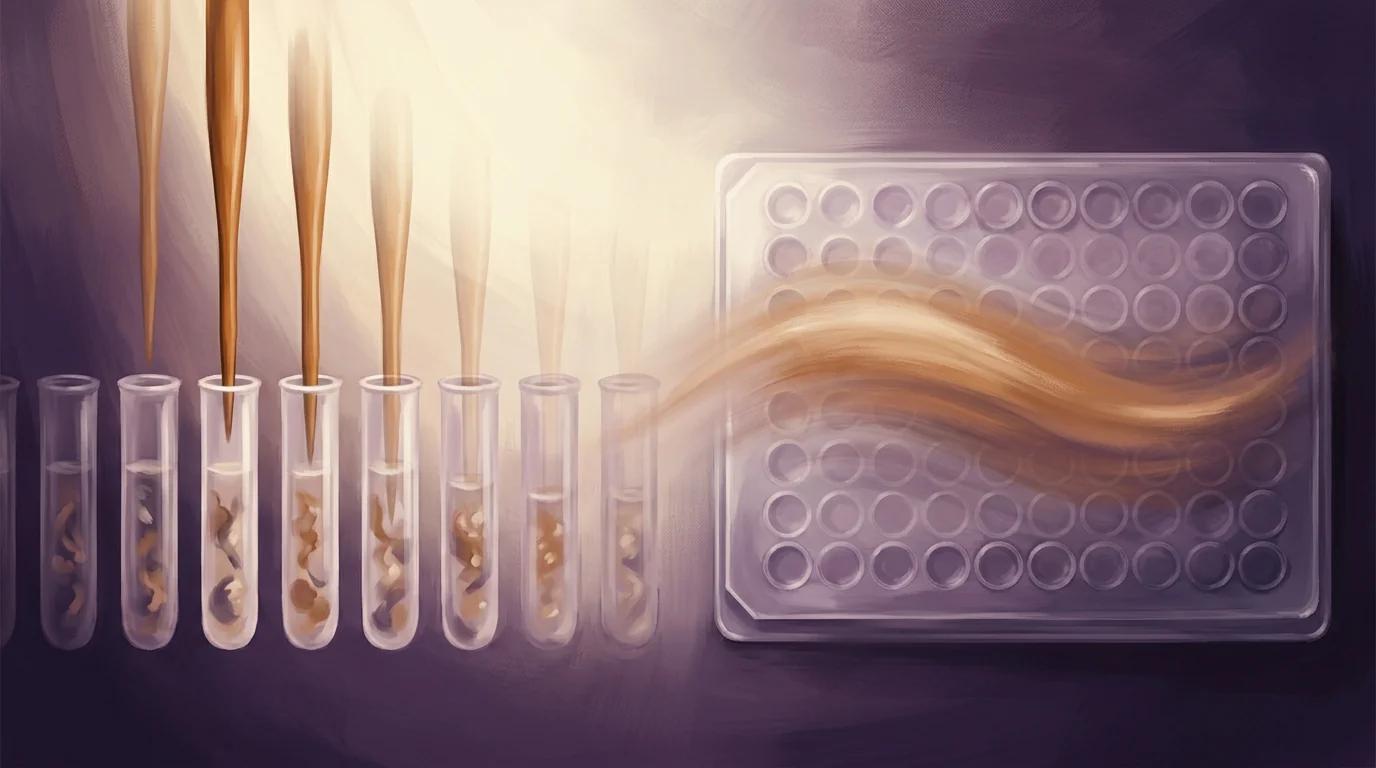
"To each sample 25 µl lysis buffer containing 10 % sodium dodecyl sulfate (SDS) and 100 mM triethylammonium bicarbonate (TEAB), pH 8.5 was added and incubated at 50 °C overnight. Next, samples were transferred to a 96-well PIXUL plate and sonicated with a PIXUL Multisample sonicator (Active Motif) for 5 min with default settings (Pulse 50 cycles, PRF 1 kHz, Burst Rate 20 Hz). Samples were spun down shortly and incubated at 80 °C for 1 h. Then, sonication was repeated with the same settings for 6 min."
— Bachmann et al., Data in Brief (2024), Section 4.2 Sample preparation for proteomics
Why it matters for PIXUL users
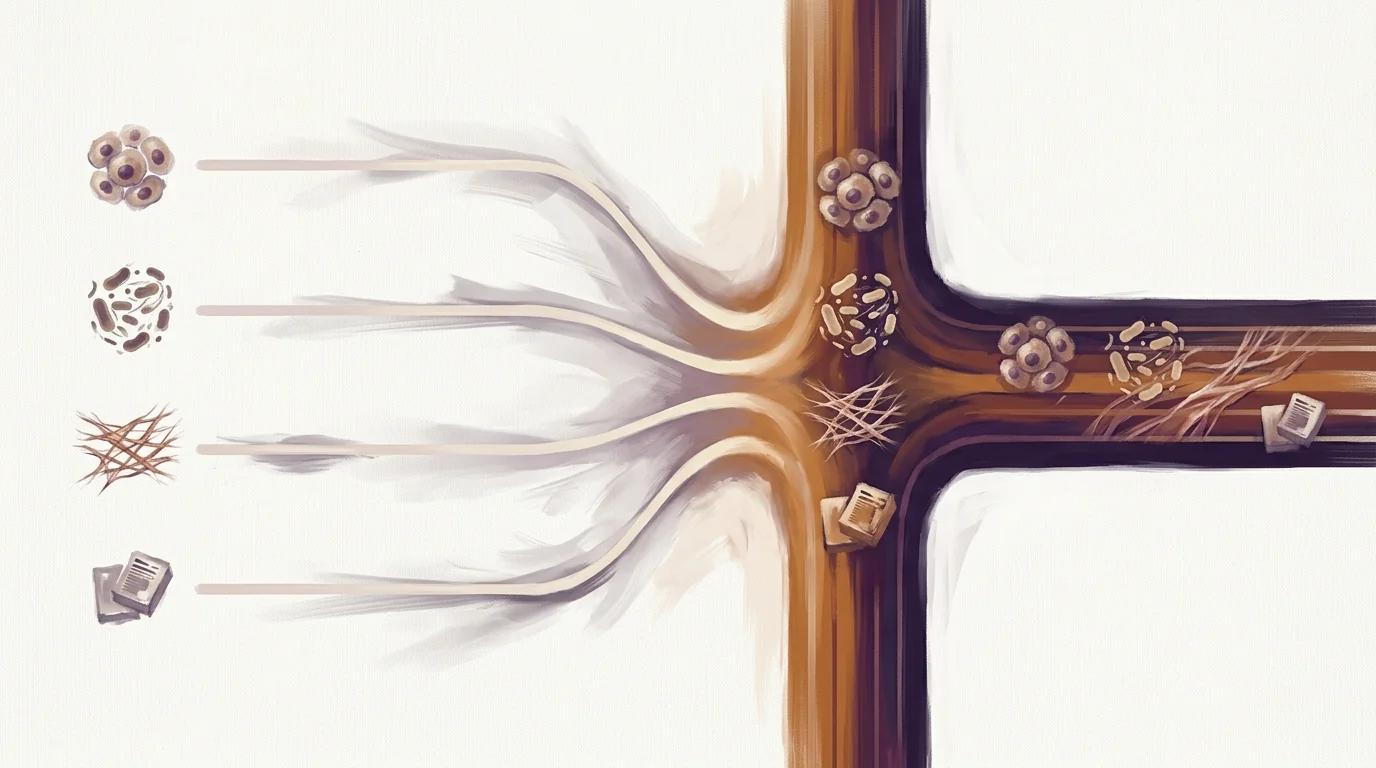
If you run tissue proteomics on small, anatomically focused brain regions — single demyelinating lesions, microdissected nuclei, cortical biopsy cores, or organoid pellets — this dataset is a working reference for what PIXUL delivers at the front of your LC-MS/MS pipeline. The authors process 20 corpus-callosum lesion specimens through one 96-well PIXUL plate in two short sonication steps and recover 8,172 reliably quantified proteins, then resolve hundreds of differentially expressed proteins between demyelination and remyelination timepoints. For your lab, the practical takeaway is that PIXUL's parallel multi-sample sonicator is compatible with 10% SDS / TEAB lysis, S-trap digestion, and modern DIA-PASEF acquisition on a timsTOF SCP, and that the standardized acoustic energy delivery across all wells supports the consistent quantitation that downstream limma-style differential analysis depends on. The dataset itself is also directly reusable — you can benchmark, pool, or compare your own neuroscience proteomics or CNS-lesion sample-prep workflows against a publicly deposited PRIDE record (PXD050858) produced on the same front-end you may already run.