The protein tyrosine phosphatase PPH-7 is required for fertility and embryonic development in C. elegans at elevated temperatures
Some genes only reveal their function under stress. The temperature-sensitive C. elegans mutant FA50 has been linked to reduced fertility at 26°C for decades, but the gene behind it stayed hidden until this study tracked it down using PacBio long-read sequencing.
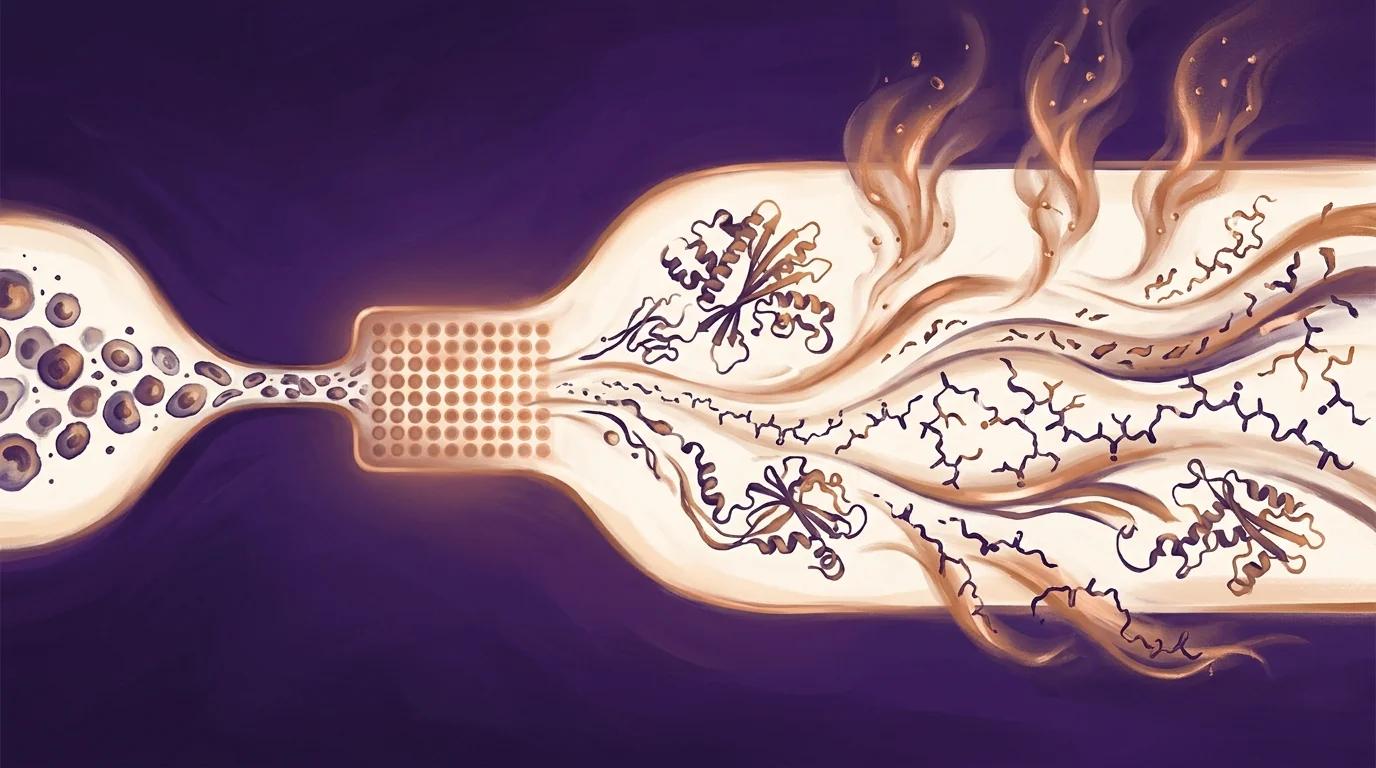
Franziscus and colleagues identified the gene as pph-7, an uncharacterized protein tyrosine phosphatase. Worms carrying pph-7 loss-of-function alleles laid far fewer eggs at 26°C, produced fewer sperm, and showed high embryonic lethality. To find the molecular pathway, the team ran parallel proteomics and phosphoproteomics on whole young-adult worms, quantifying around 5,500 proteins per sample.
The result: a short list of dysregulated spermatogenesis and VHL-1 pathway proteins, plus PAT-12 and PAT-2 as candidate direct PPH-7 substrates.
Key findings
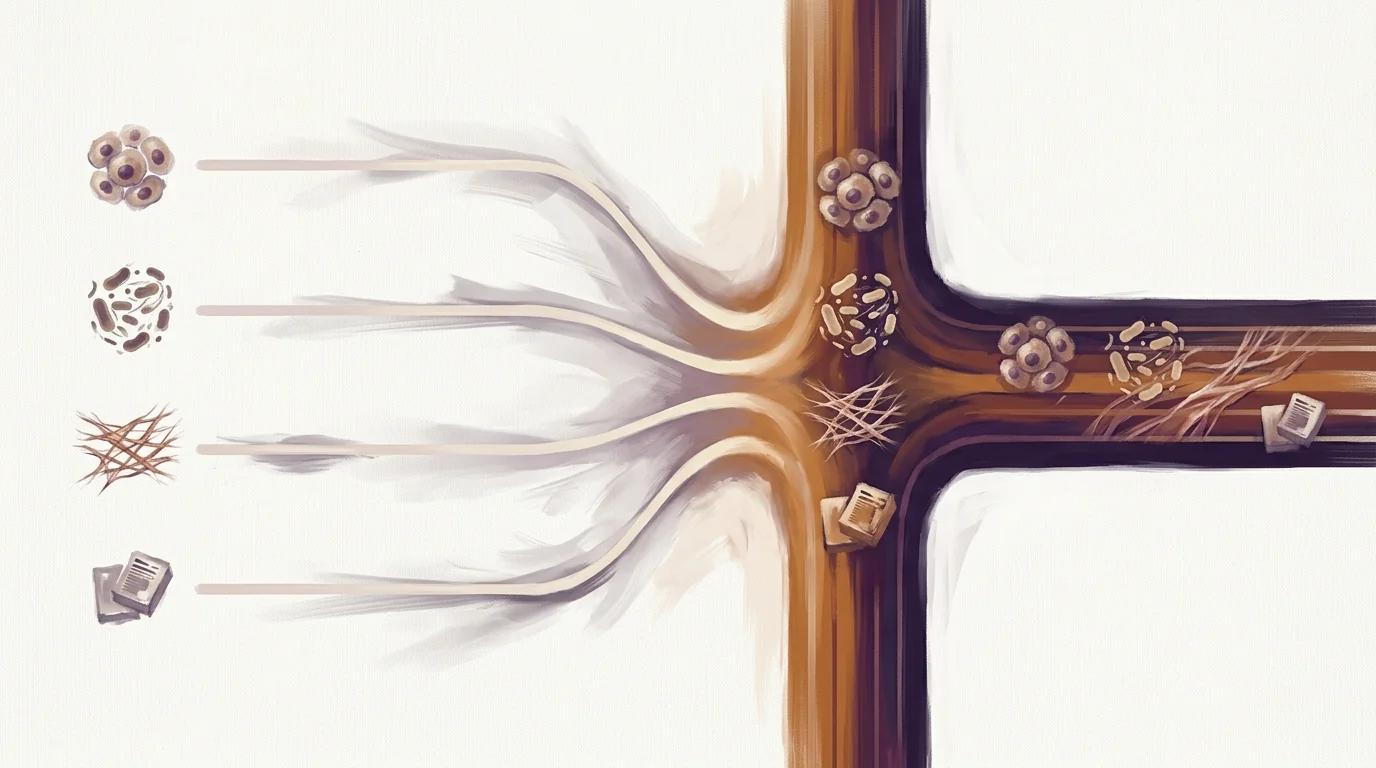
- ~5,500 proteins quantified per sample — roughly 25% of the C. elegans proteome — from whole young-adult worm lysates, processed in parallel across wild-type and two pph-7 loss-of-function alleles incubated at 26°C. The same lysates fed both DIA proteomics (Exploris 480) and Fe(III)-IMAC phosphoproteomics (Orbitrap Fusion Lumos) from one front-end preparation.
- Three most-downregulated proteins (CLEC-209, MCT-2, C01B4.6) are known HIF-1-independent targets of the VHL-1 tumor suppressor pathway, and three spermatogenesis proteins (SMZ-1, SSQ-1, MSP-3) were also reduced — matching the observed reduction in sperm number in the spermatheca and connecting the fertility defect to a defined molecular signature.
- PAT-12 (hemidesmosome component) and PAT-2 (integrin subunit) emerged as the strongest candidate direct PPH-7 substrates, showing markedly elevated tyrosine phosphorylation in both mutants compared with wild type and giving the field testable leads for follow-up biochemistry on ECM-linked signalling in fertility and embryonic development.
PIXUL in the methods
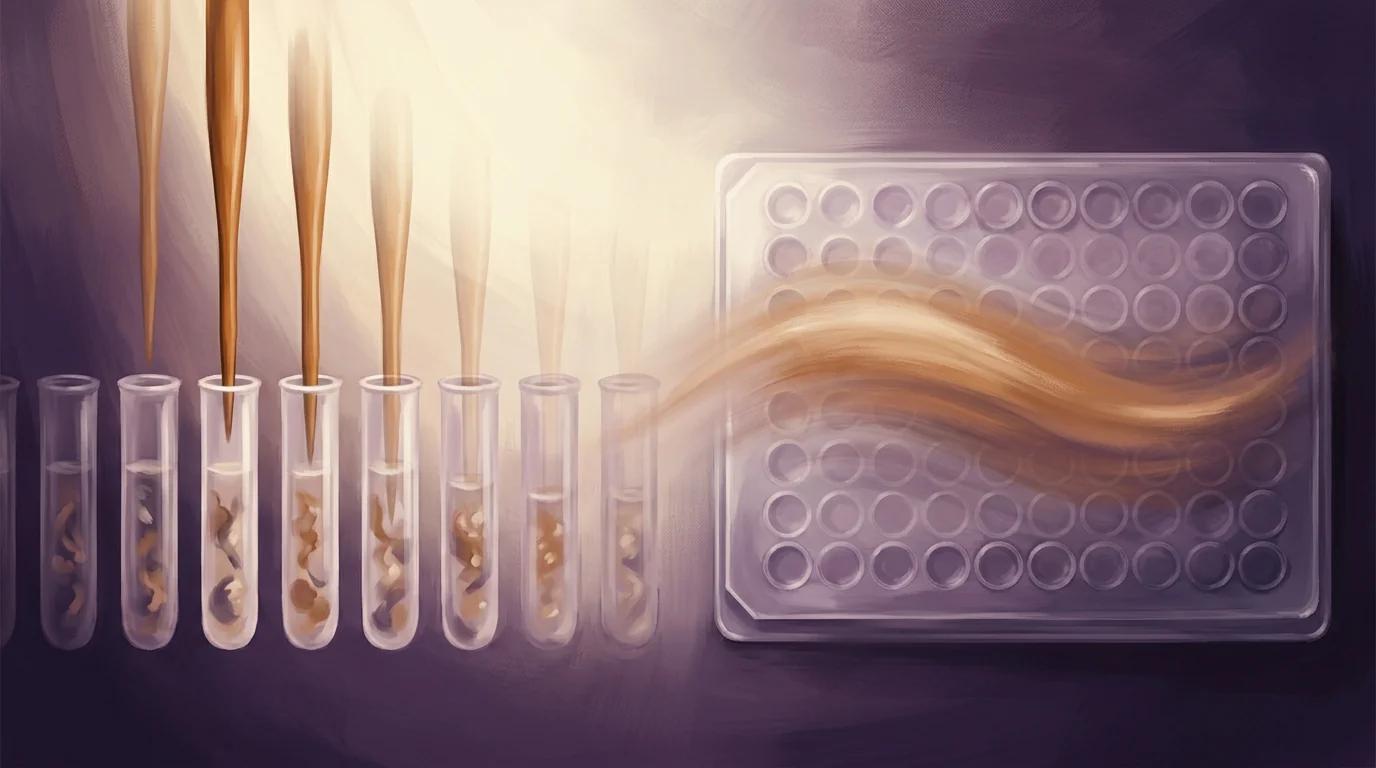
"Worms were resuspended in lysis buffer (5% SDS, 10 mM TCEP, 0.1 M TEAB) and lysed by sonication using a PIXUL Multi-Sample Sonicator (Active Motif, Carlsbad, CA, USA) with Pulse set to 50, PRF to 1, Process Time to 20 min and Burst Rate to 20 Hz followed by a 10 min incubation at 95 degrees C."
— Franziscus et al., FEBS Open Bio (2024), Materials and Methods, C. elegans phosphoproteome analysis
Why it matters for PIXUL users
If you run proteomics or phosphoproteomics on small model organisms — C. elegans, Drosophila, zebrafish embryos, or any input that benefits from harsh-detergent lysis in 5% SDS — this paper is direct peer-reviewed evidence that the PIXUL multi-sample sonicator delivers the consistent front-end lysis required to recover both whole-proteome and phospho-tyrosine-specific signal. Franziscus and colleagues processed multiple genotypes and biological replicates side-by-side, then split a single lysate into a phosphopeptide arm (Fe(III)-IMAC enrichment, Orbitrap Fusion Lumos) and a proteome arm (Exploris 480, DIA) — quantifying roughly 5,500 proteins per sample with enough consistency to call genotype-specific tyrosine-phosphorylation changes on individual residues. For a multi-application lab juggling proteomics, phosphoproteomics, and downstream functional assays on small-organism inputs, the practical takeaway is that one multi-sample sonicator handles the front-end sample preparation for all of them in parallel — letting you scale replicates and conditions on standard microplates rather than serializing through a probe-tip sonicator one tube at a time.