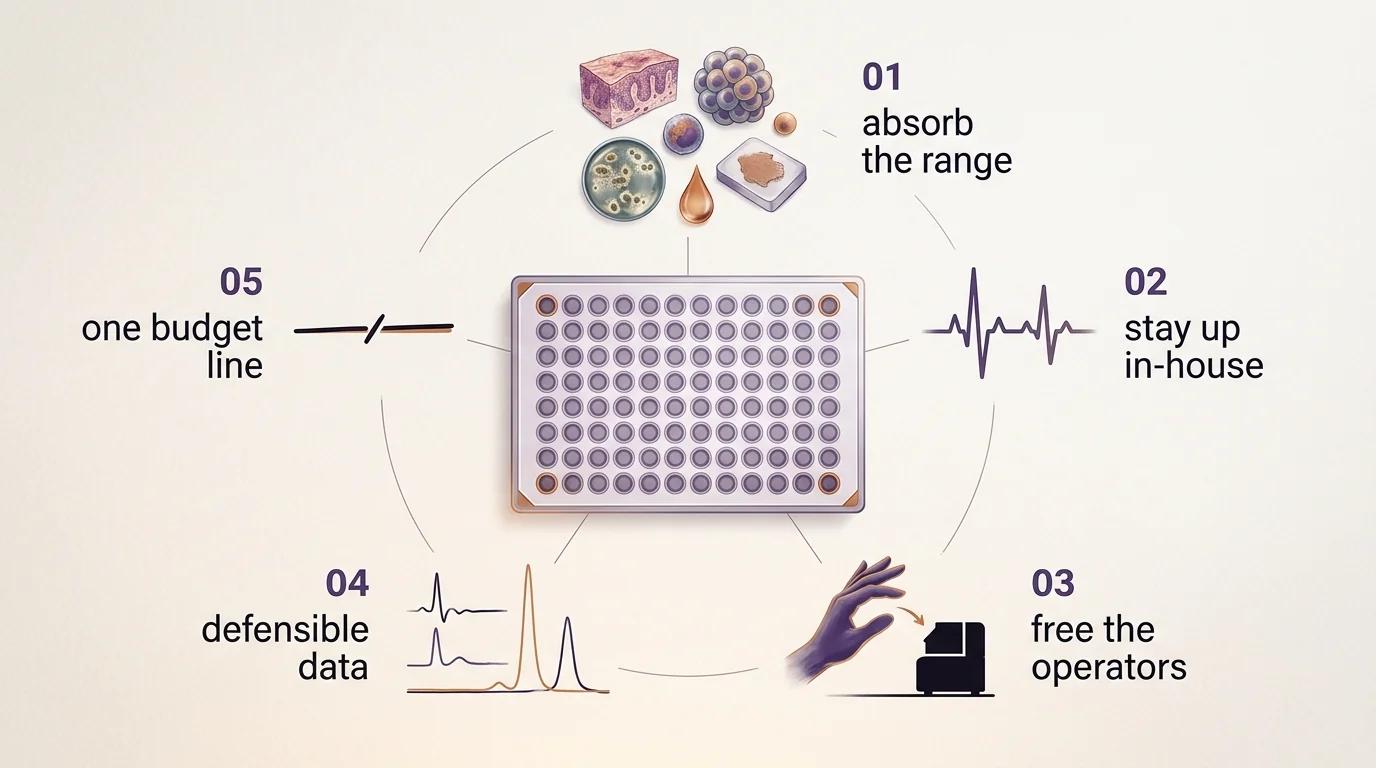
- Your front end isn't judged on one task — it's judged on how much of the core's range it absorbs: every PI, every organism, every sample type, on one instrument.
- It has to do that while staying up on its own and freeing up your people — not waiting on a service call you don't control, not chaining an operator to the bench.
- And it has to give data you can defend and a budget line you can defend — consistent results, standard supply, one capital line instead of several.
Run a shared proteomics core for a while and the job stops being about any single assay. It becomes about range: a queue of investigators, each with a different organism, a different sample, a different question, and a standing expectation that you can take all of it on. The instrument that decides whether you can isn't the mass spec. It's the front end — the step that gets clean protein out of whatever shows up. Here's what that instrument actually has to do for you.
You're judged on how many questions you can say yes to
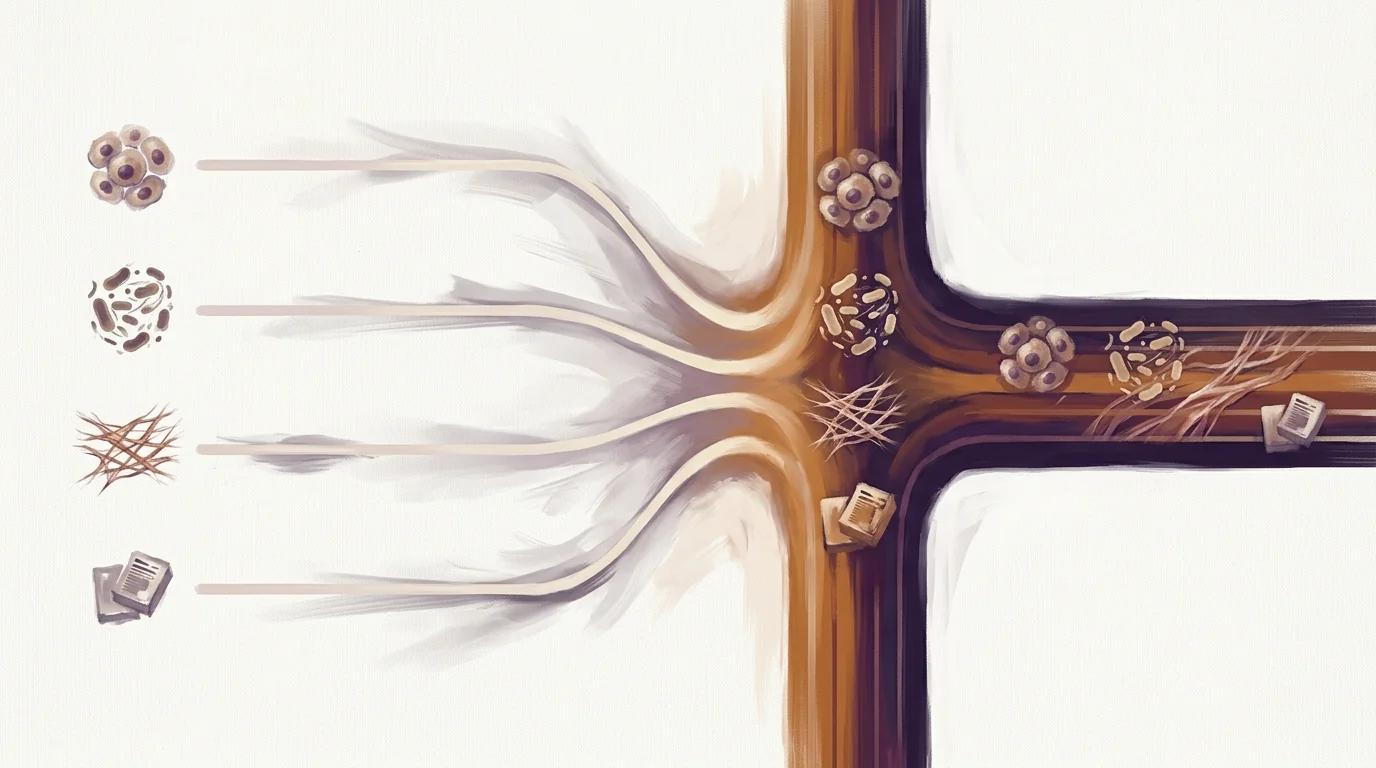
The first thing the front end has to do is absorb the range. Cells this week, a bacterial pellet the next, a tough tissue someone swears won't lyse, a tray of archived blocks — and you're measured on how many of those you can serve, not how well you do one. A front end that only handles one sample class quietly caps how many questions your core can accept. The one that earns its place takes on the range, so "yes" stays your default answer.
The instrument you're choosing isn't a sonicator — it's how many questions your core can say yes to.
It has to stay up without a service call you control
The second thing: it has to keep running on terms you set. A shared front end that goes down stalls every project behind it, so dependability that depends on a field engineer's schedule isn't dependability you can plan around. The front end has to be something your own team can install and keep running, so a back-ordered part or a booked-out engineer never becomes the reason the whole core stops.
It can't tie up your people all day
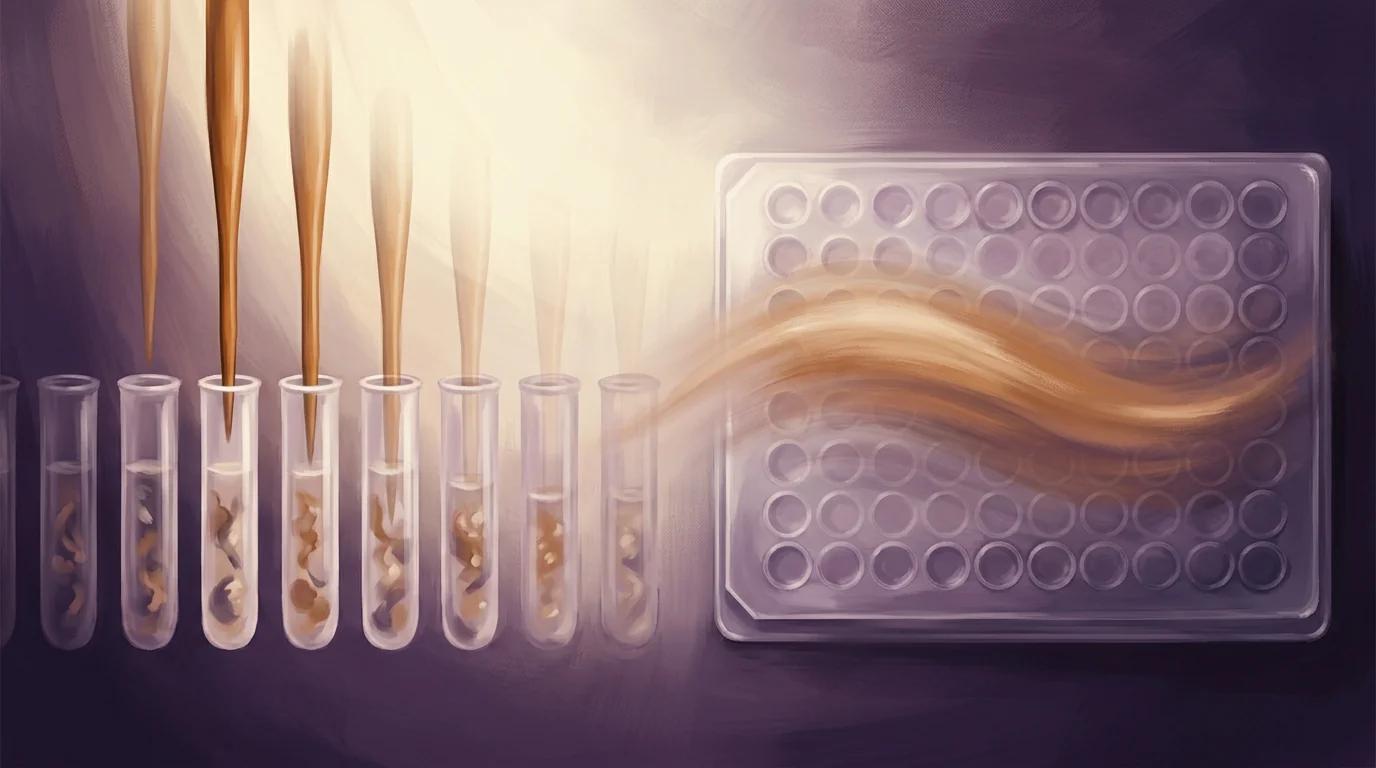
Third, it has to give you your people back. Your operators are the scarce resource, and a method that needs one of them standing at a probe all morning doesn't scale your facility — it just keeps someone busy. The front end has to run a full plate hands-off, so the person who would have babysat it is doing the science only they can do.
The data has to hold up when it leaves the core
Fourth, what comes off it has to be defensible. The moment a result leaves your core it's someone else's evidence, and prep that varies well-to-well becomes a batch effect a reviewer can question. The front end has to be consistent enough that a difference in the data is a difference in the biology — so your core's name on a method means something.
And all of it has to fit one budget line you can defend
Finally, it has to make sense to the people who fund it. You're not arguing for the lowest price; you're arguing for the most range per capital line — one versatile, self-maintained instrument that absorbs what would otherwise be several single-purpose ones, on consumables you can actually source.
One front end that absorbs the range
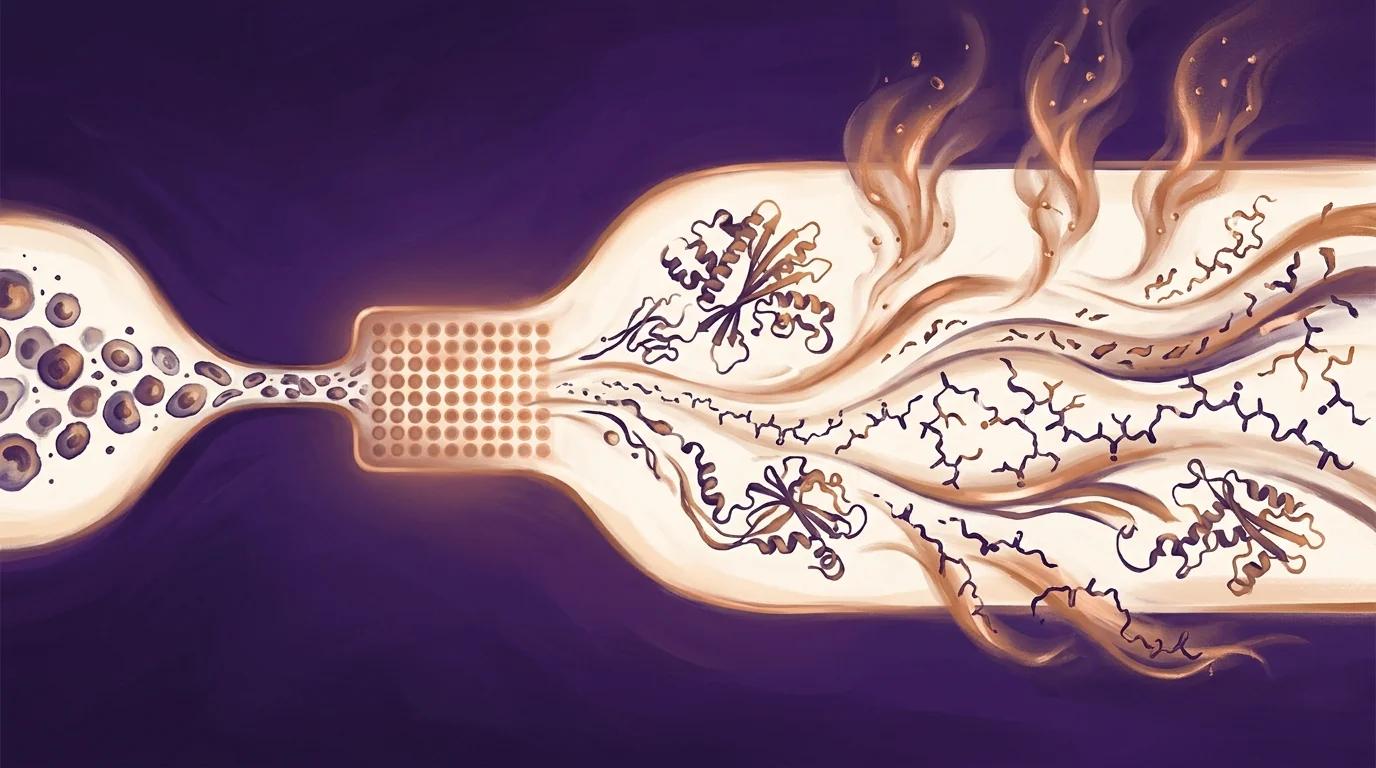
Put those five together and you've described a single instrument, not a wish list. It's the profile PIXUL was built for: column-level programming to cover the range, in-house maintenance to stay up, a full plate disrupted hands-off, consistent across all 96 wells, on standard open-format plates. None of those is the headline feature — together they're the job, and the front end that does the whole job is the one that lets your core keep saying yes.
So what should a core lead actually optimize for?
Not the deepest spec on today's protocol — the widest range your facility can absorb dependably, on a budget and a supply chain you control. That's the instrument that makes the job doable.