Dual AAV gene therapy using laminin-linking proteins ameliorates muscle and nerve defects in LAMA2-related muscular dystrophy
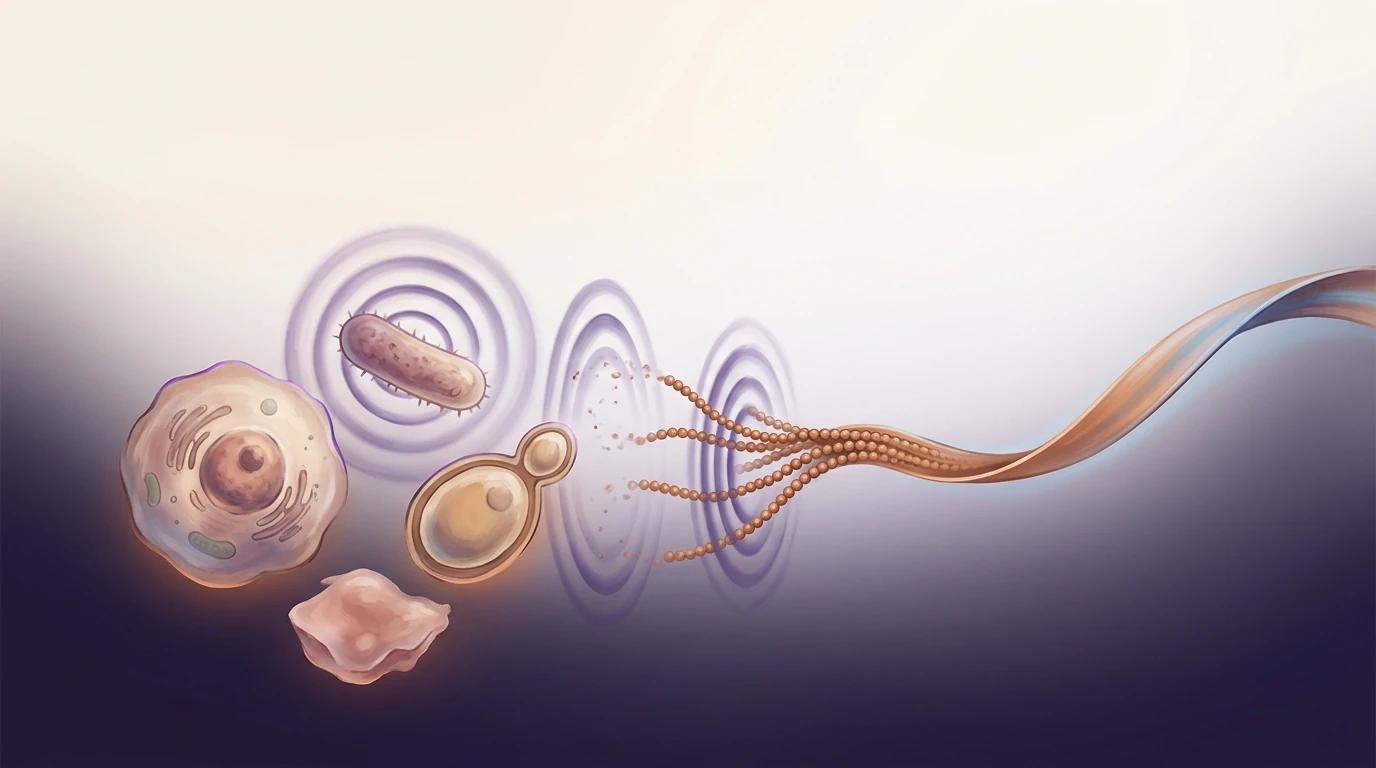
LAMA2-related muscular dystrophy is a severe congenital disease caused by loss of laminin-α2. The gene is too large for a single AAV vector, and severely affected patients produce no native protein — so directly replacing it risks an immune response to the transgene.
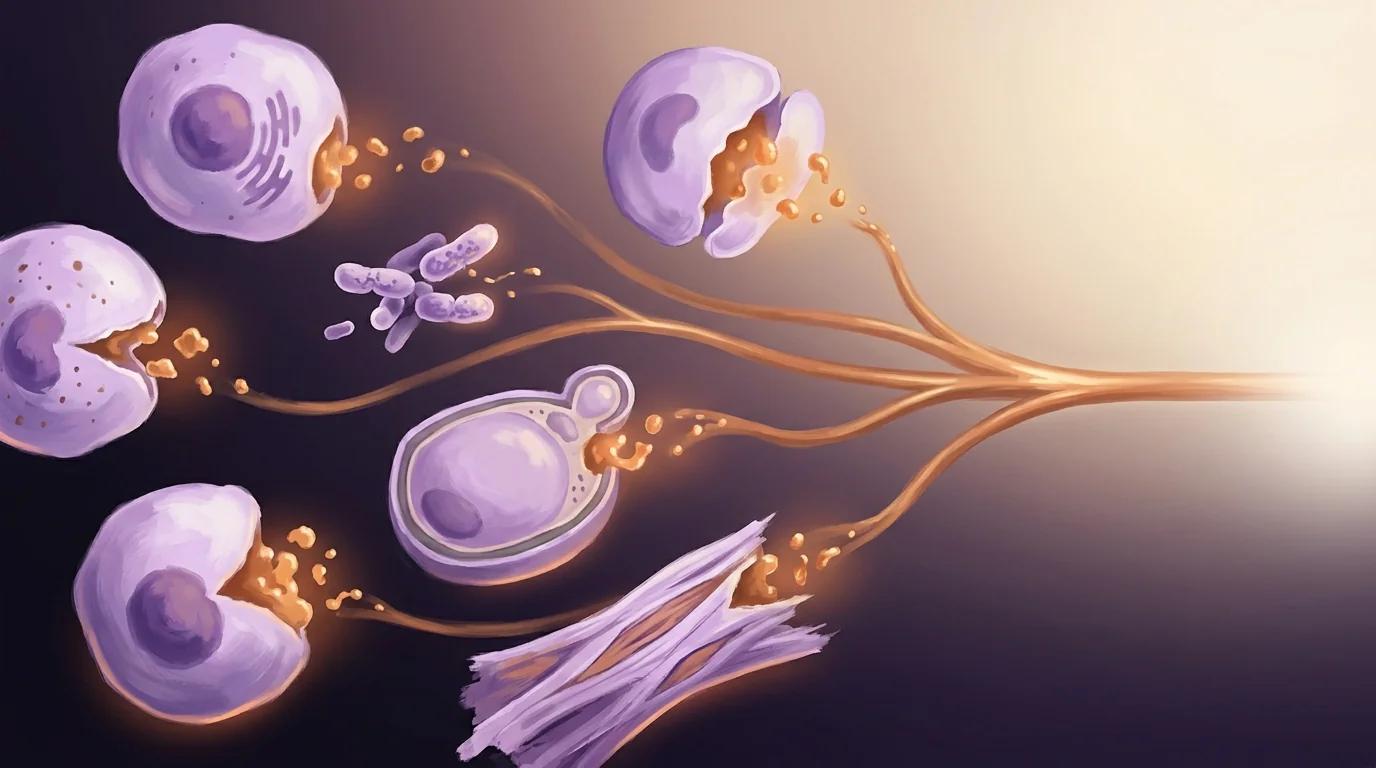
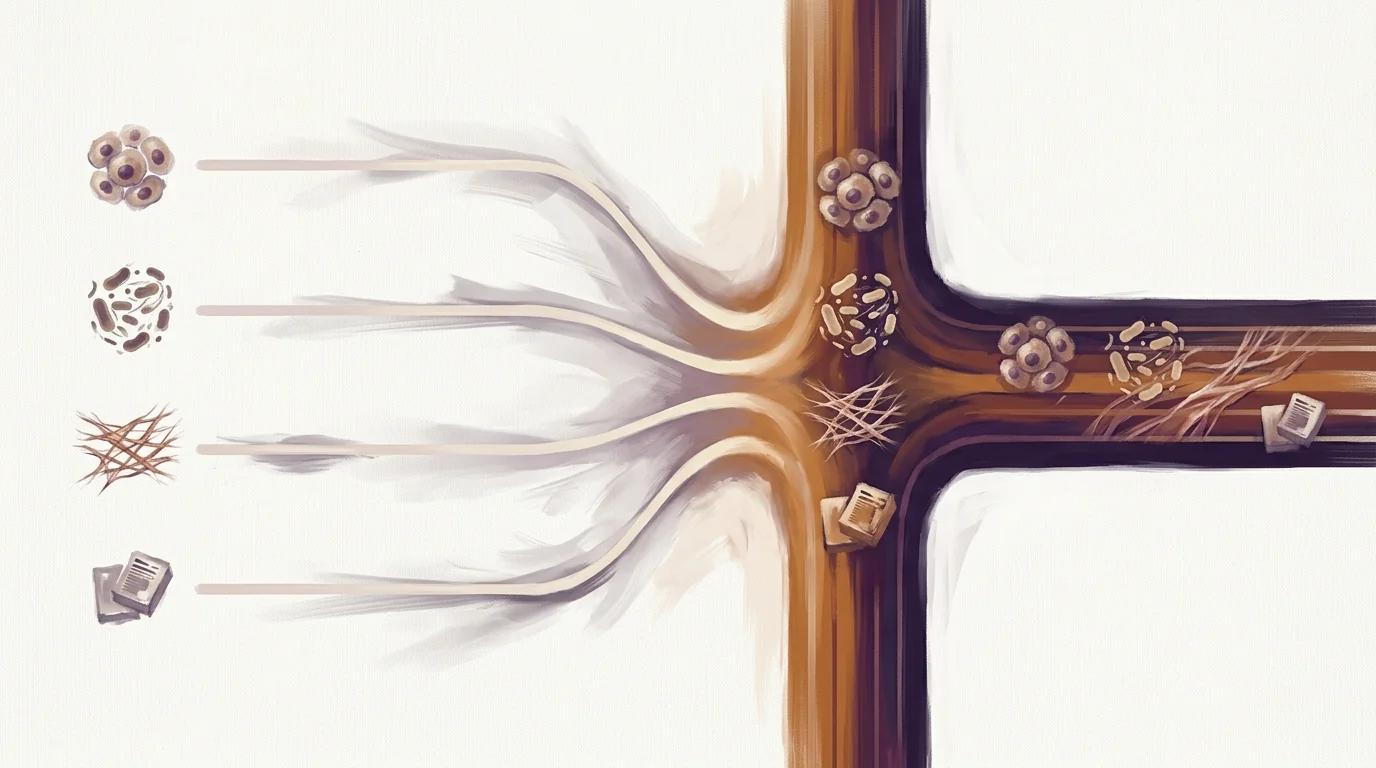
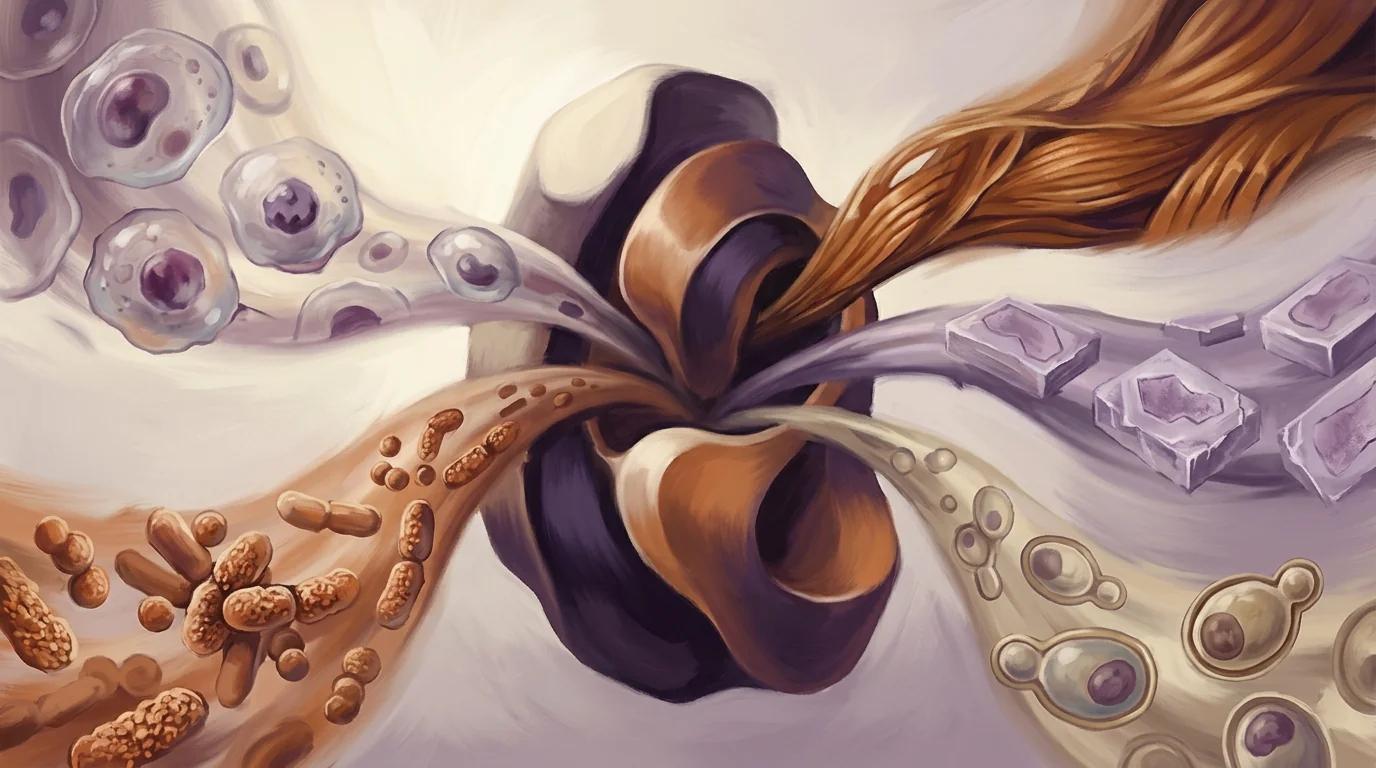
The authors engineered two small linker proteins, derived from endogenously expressed extracellular matrix components, that together restore laminin receptor binding and polymerization to reassemble a functional basement membrane. Delivered as a dual AAV therapy in a severe LAMA2 MD mouse model, the combination produced robust expression and significant improvements in muscle histology and function. Expressing one linker under a muscle-specific promoter and the other under a ubiquitous promoter via AAV9 or AAV8 achieved near-complete phenotypic restoration when administered neonatally, and meaningful benefit at progressed disease stages.
The takeaway: a mutation-independent, AAV-size-compatible, and potentially immune-tolerable strategy for diseases where the missing protein is too large or too immunogenic to replace directly.
Key findings
- Dual AAV delivery of two engineered laminin-linking proteins — derived from endogenously expressed extracellular matrix components and small enough to fit AAV packaging limits — produced robust expression and significant improvements in muscle histology and function in a severe LAMA2 MD mouse model, validated at the protein level on PIXUL-prepared muscle lysates by LC-MS/MS proteomics.
- Differential promoter targeting resolved a treatment-unmasked peripheral neuropathy: expressing one linker under a muscle-specific promoter and the other under a ubiquitous promoter (delivered via AAV9 or AAV8) addressed both muscle pathology and the LAMA2-related peripheral nerve defect that emerged when expression was restricted to muscle.
- Near-complete phenotypic restoration was achieved when treatment was administered neonatally, with significant therapeutic benefit also seen when treatment was given at progressed disease stages — supporting a mutation-independent, size-compatible, and potentially immune-tolerable approach for LAMA2 MD.
PIXUL in the methods
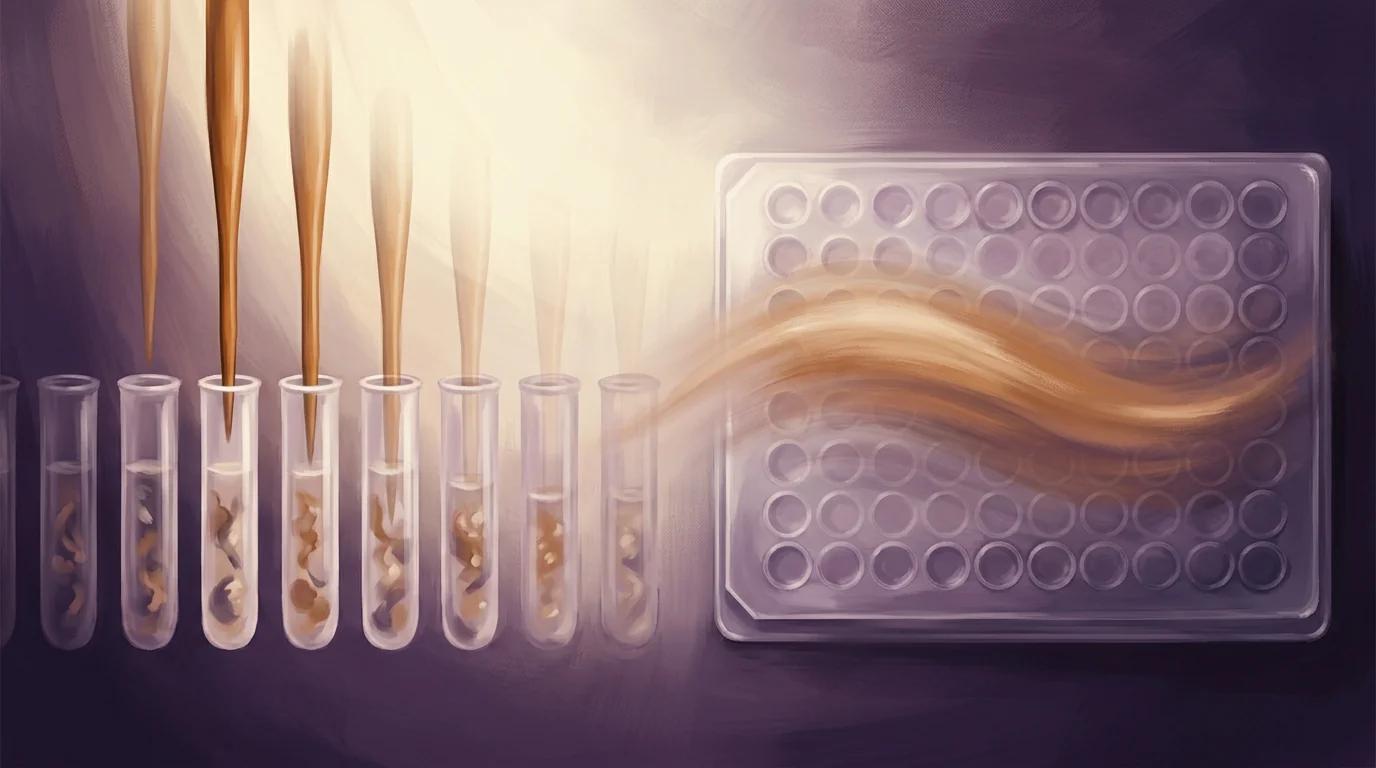
"Frozen muscle tissues were pulverized in liquid nitrogen and resuspended in lysis buffer (5% SDS, 10 mM Tris(2-carboxyethyl)phosphine, 0.1 M triethylammonium bicarbonate), followed by sonication using a PIXUL Multi-Sample Sonicator (Active Motif)."
— Reinhard et al., Molecular Therapy (2026), Materials and Methods, LC-MS analysis
Why it matters for PIXUL users
If you run muscle proteomics — or any LC-MS/MS workflow on fibrous, mechanically tough tissue — this paper is peer-reviewed evidence that PIXUL handles the front end of a demanding gene-therapy efficacy study. The authors needed clean, reproducible lysates from dystrophic mouse muscle to confirm expression of two engineered linker proteins against a complex tissue proteome, and they used a PIXUL Multi-Sample Sonicator to shear SDS lysates after liquid-nitrogen pulverization. The pattern matters for your workflow: a single microplate of muscle samples is sonicated in parallel under matched conditions, then handed directly to downstream digestion and mass spectrometry — no probe-tip cross-contamination, no serial bottleneck, no within-experiment instrument drift across samples. That consistency at scale is the PIXUL brand pillar — one platform feeding your proteomics, and a gene therapy program built around quantifying engineered proteins against a noisy tissue background is exactly the kind of efficacy proteomics that depends on it.