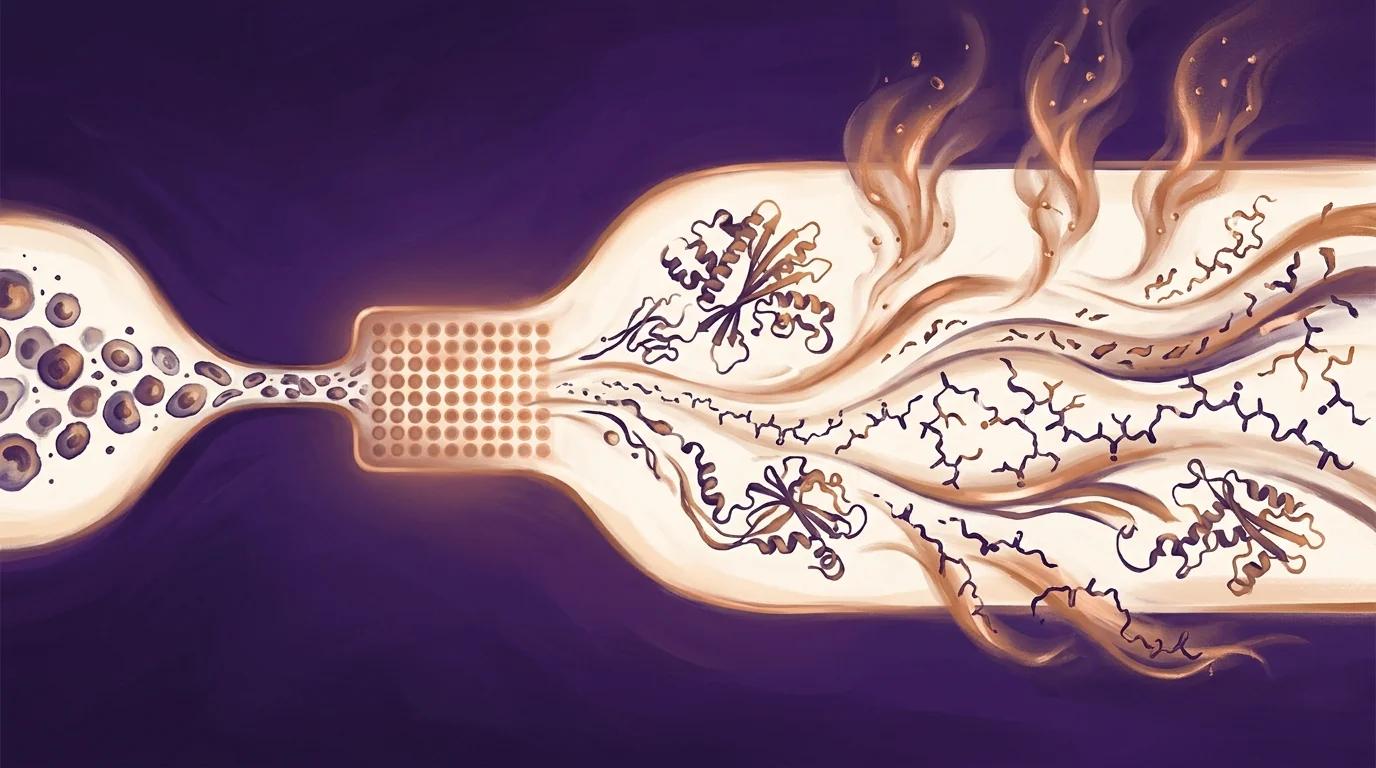
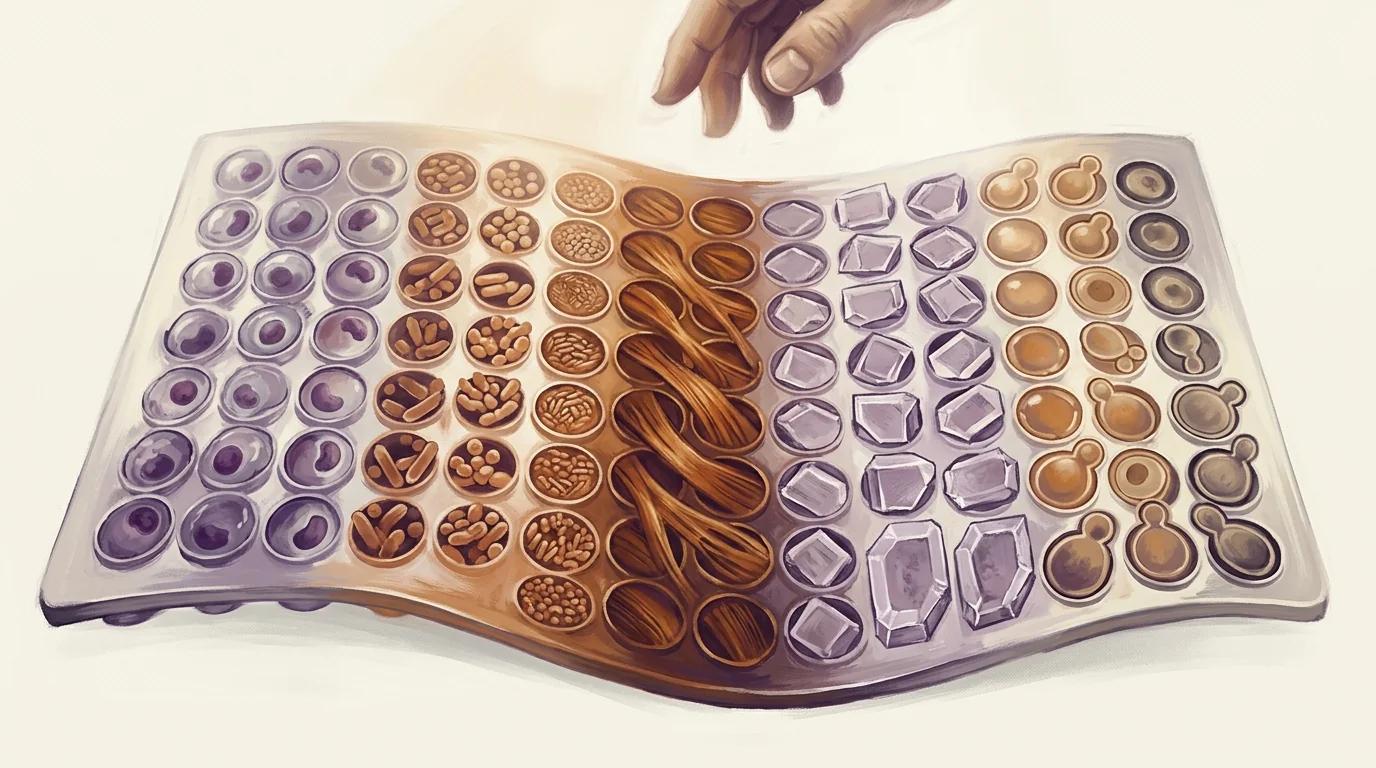
- Real versatility isn't running many samples — it's running many sample types, and their protocols, on the same plate in one run. Capacity alone doesn't get you there.
- Column-level programming is what makes it possible — independent disruption time and energy per column, so cells, bacteria, and tough tissue run side by side.
- For a multi-PI core, that's what lets one capital line serve everyone — the test isn't peak performance on a single sample, it's coverage across the range you can't predict.
A shared core's constraint is variety, not volume
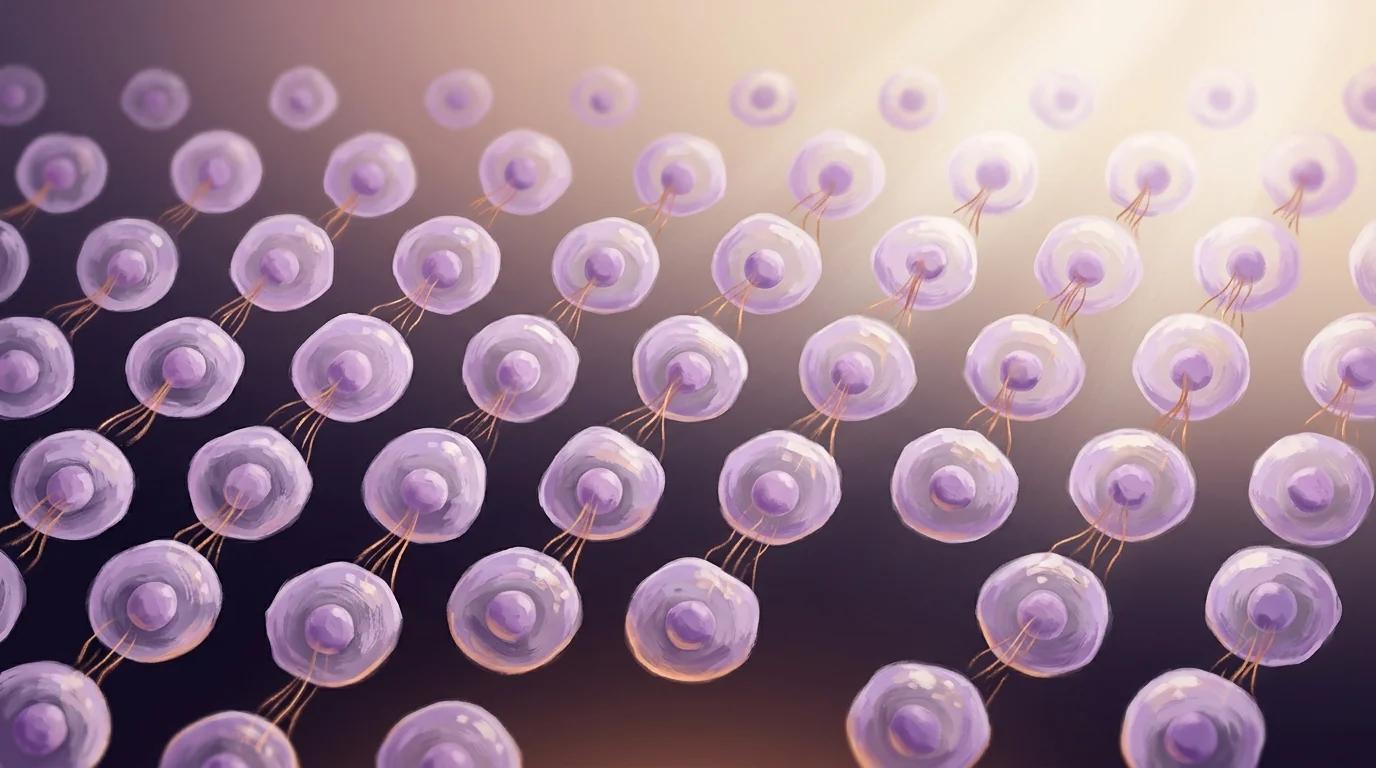
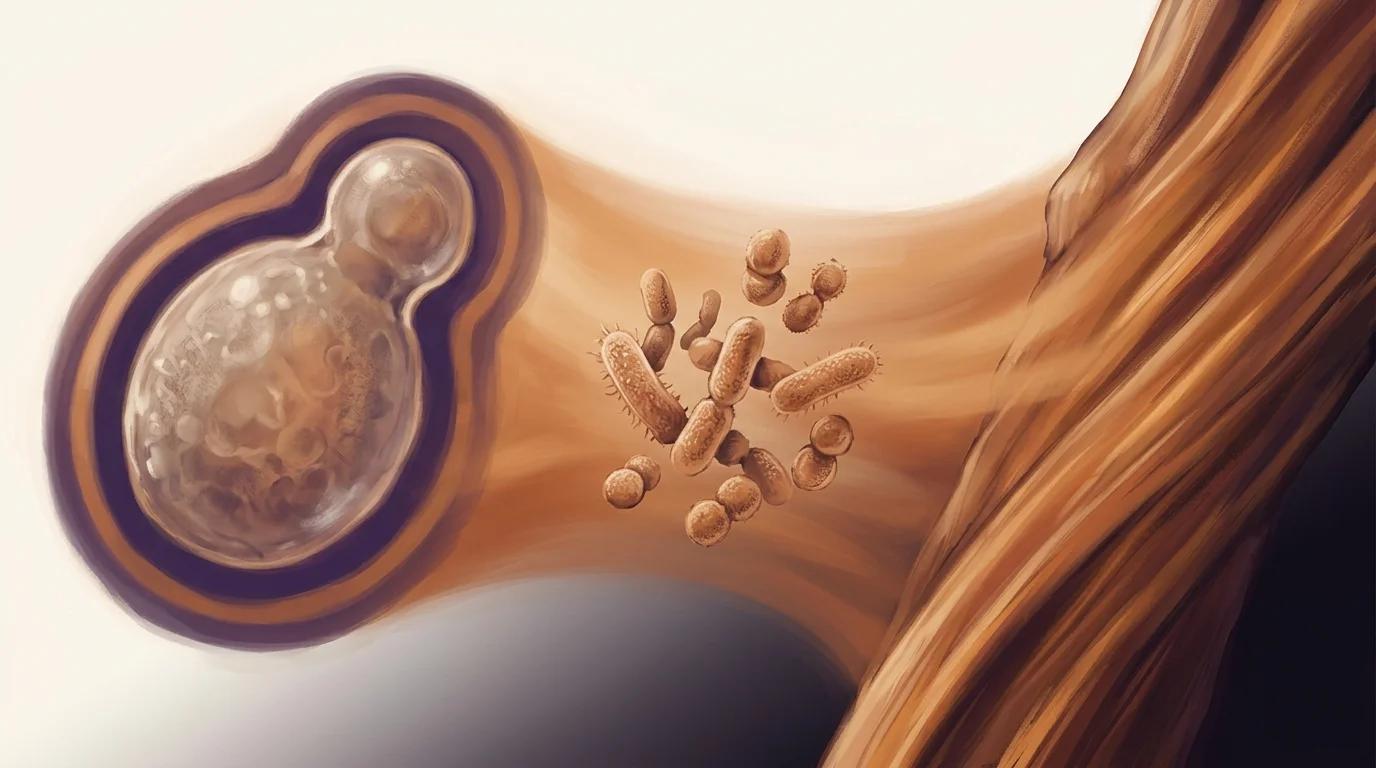
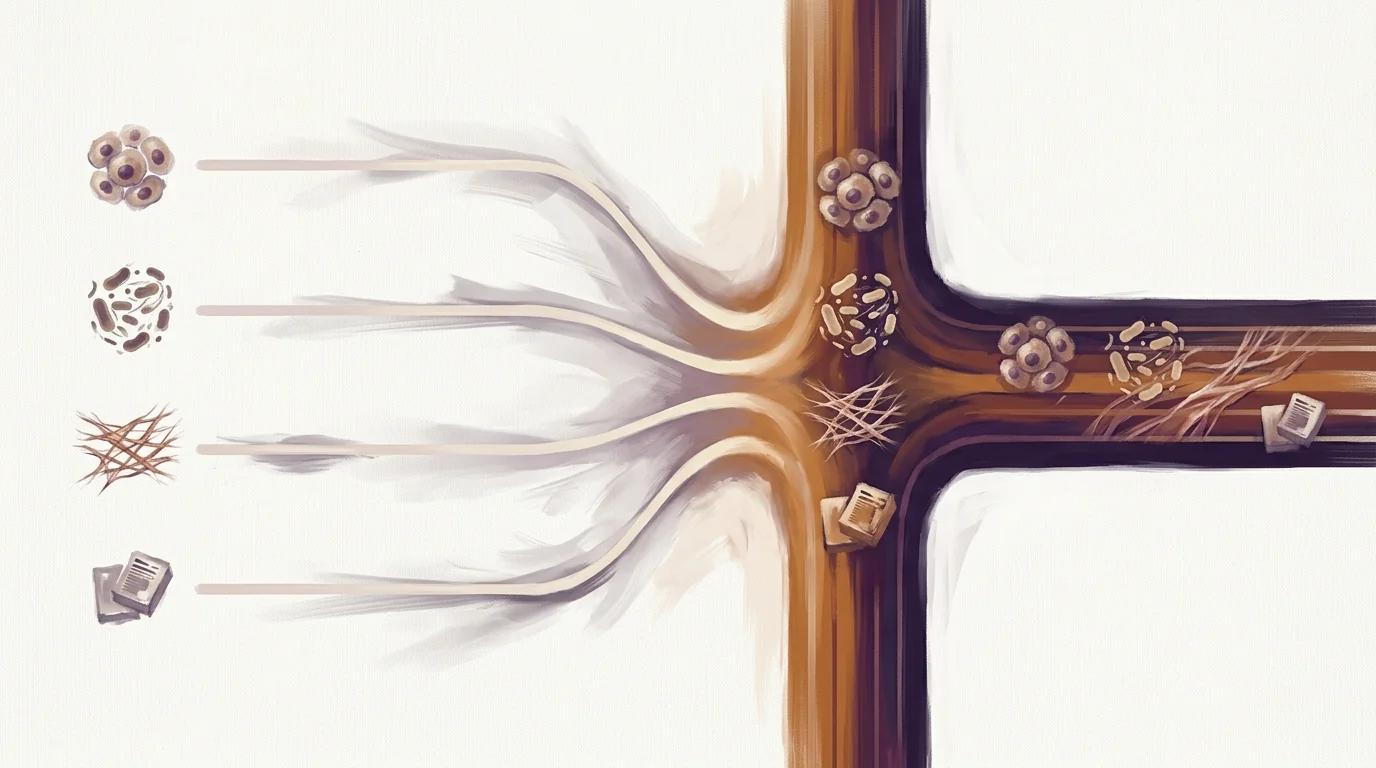
A facility that serves one lab can optimize for one workflow. A shared core can't. In a single week the front end might see mammalian cells, a bacterial pellet, a muscle biopsy, and a tray of archived blocks — each with its own disruption behavior. The instrument that earns its bench space is the one that absorbs that variety, because the alternative is turning an investigator away or buying yet another single-purpose box (the full argument lives in the pillar).
So the useful spec isn't "how many samples can it run?" It's "how many different samples can it run without a method rebuild between them?"
"96-well capacity" isn't versatility — per-column control is
This is where capacity claims mislead. A small-batch water-bath ultrasonicator caps at roughly a dozen tubes and one set of conditions. A probe runs one sample at a time, an operator resetting between each. Both can technically process many samples; neither lets you process many kinds at once.
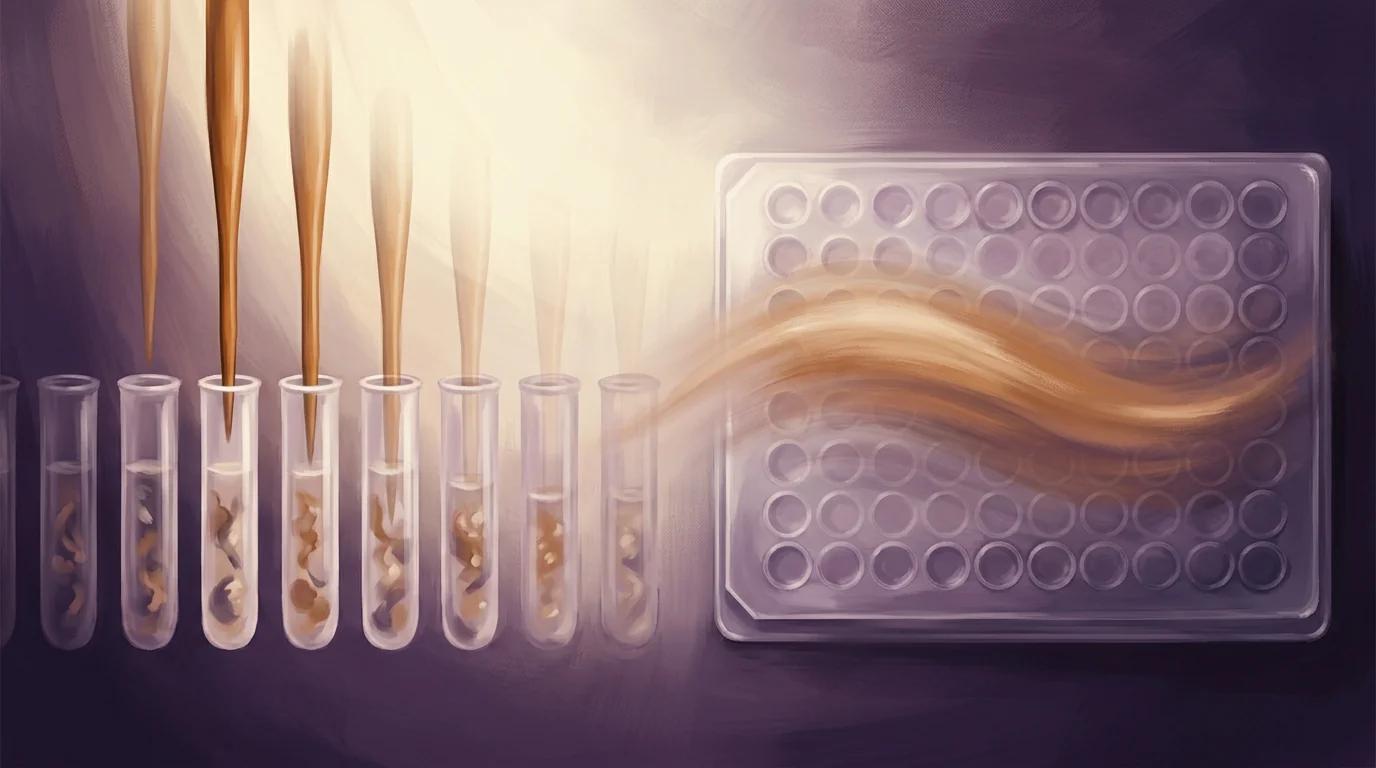
Real versatility comes from column-level control — and it's what PIXUL was built around. Its twelve independently programmable columns, each with adjustable acoustic energy and time, let you run a 10-minute protocol for cell lines in one column and a 30-minute protocol for a tougher organism in the next, on the same plate, in the same run. The instrument adapts to the sample, not the sample to the instrument.
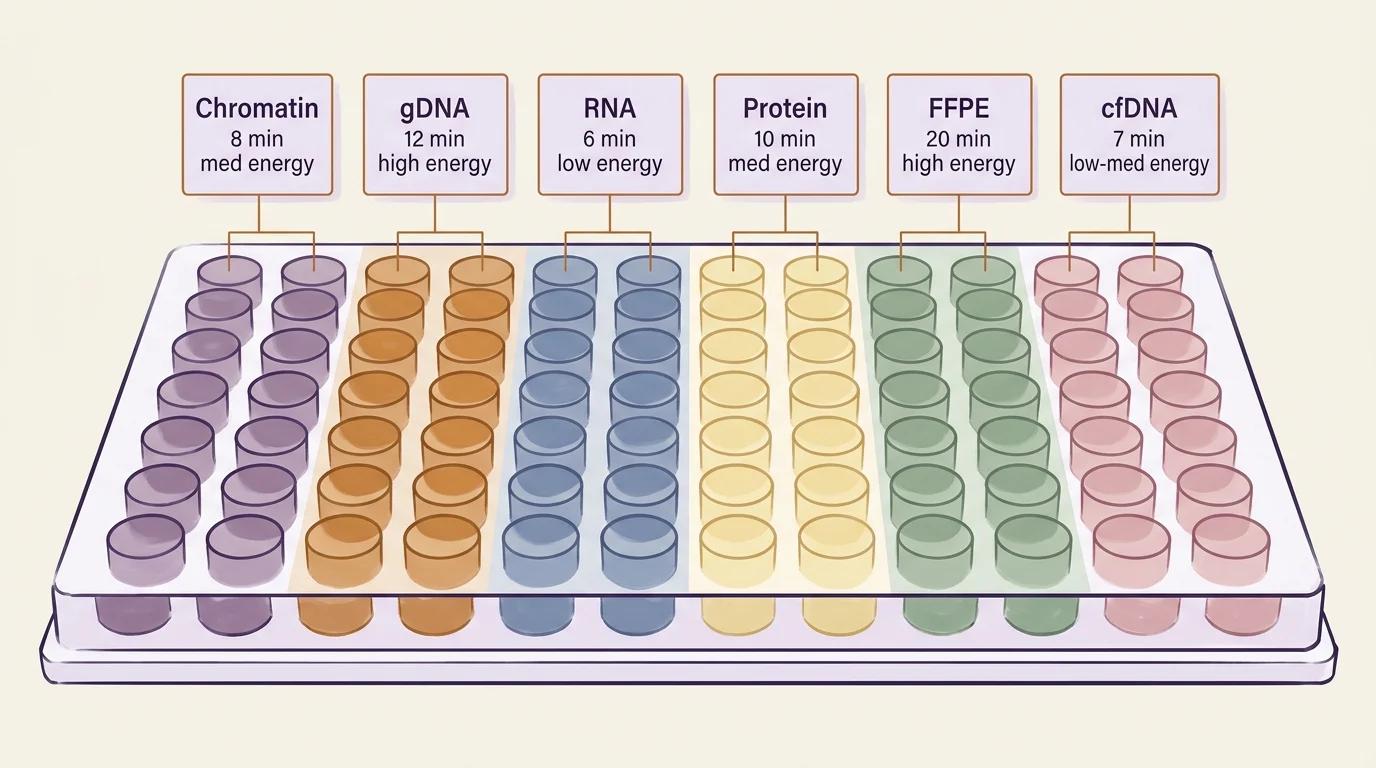
Versatility shows up as different protocols on one plate
The proof is in how cores actually use it. A scientist who runs a busy proteomics core described loading cells, plants, and bacteria into a single plate to "put everything in one place" rather than running a separate batch per sample type — versatility as a way to optimize a constrained facility's resources. An applications scientist at a reference core runs two protocols on one plate routinely: about 30 minutes for genomic DNA, 45 for fixed chromatin, side by side.
An instrument that can hold 96 samples isn't the same as one that lets a core serve 96 different questions.
Mixing sample types doesn't risk cross-contamination
Does running different sample types in adjacent wells cause carryover between them?
No — the wells stay isolated. Two transducers per column deliver energy without moving liquid between wells, so a mixed-sample plate doesn't cross-contaminate. The same isolation means a partly-used plate can be run again later — useful when a batch is only sixteen samples and you'd rather not commit a fresh plate (more on cross-plate consistency).
Evaluate the range your front end must cover, not the peak spec
The trap in choosing a sample-prep instrument is optimizing for today's most common sample. A shared core's value is in the samples it can't predict — the new organism, the difficult tissue, the collaborator's archived cohort.
So evaluate against range: list the sample types your facility is realistically asked to handle over the next few years, and ask which instruments cover that breadth on one bench. The one that absorbs the widest range, dependably, is the one that lets the core keep saying yes.