MultiomicsTracks96: A high throughput PIXUL-Matrix-based toolbox to profile frozen and FFPE tissues multiomes
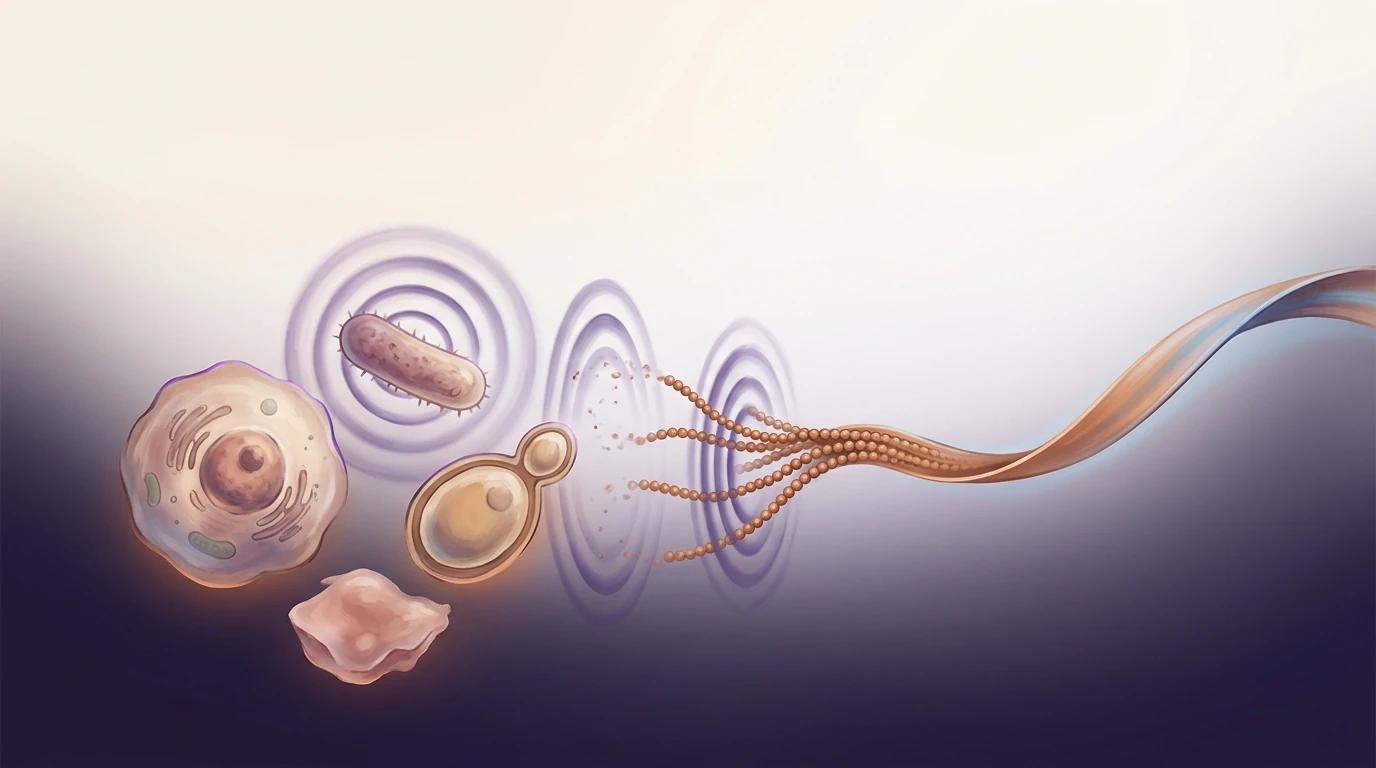
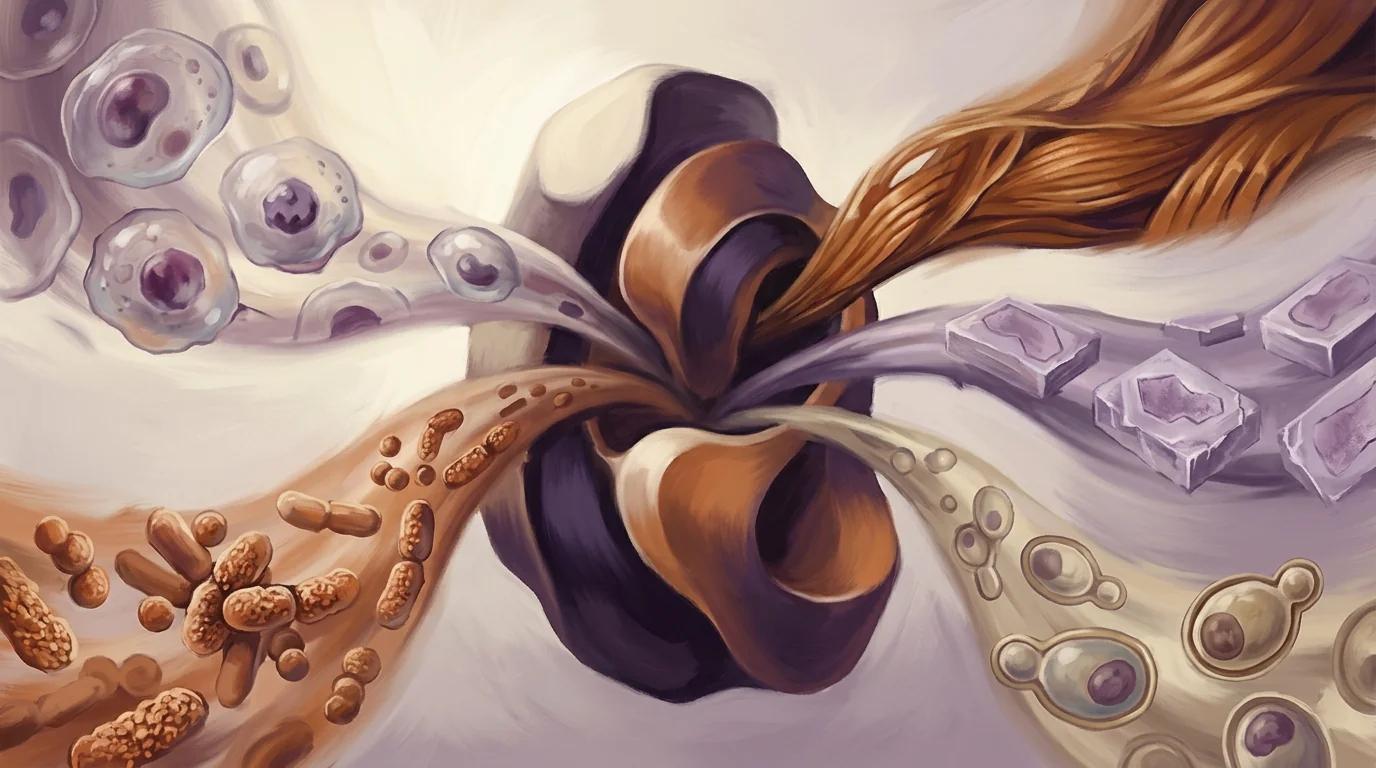
Hospitals and tissue banks hold hundreds of millions of formalin-fixed paraffin-embedded (FFPE) tissue blocks — an enormous archive of patient samples that has been hard to use for modern multi-omic studies. Fixation chemistry makes it difficult to extract clean protein, DNA, and RNA from the same block, and most labs need a separate sample-prep pipeline for each layer.
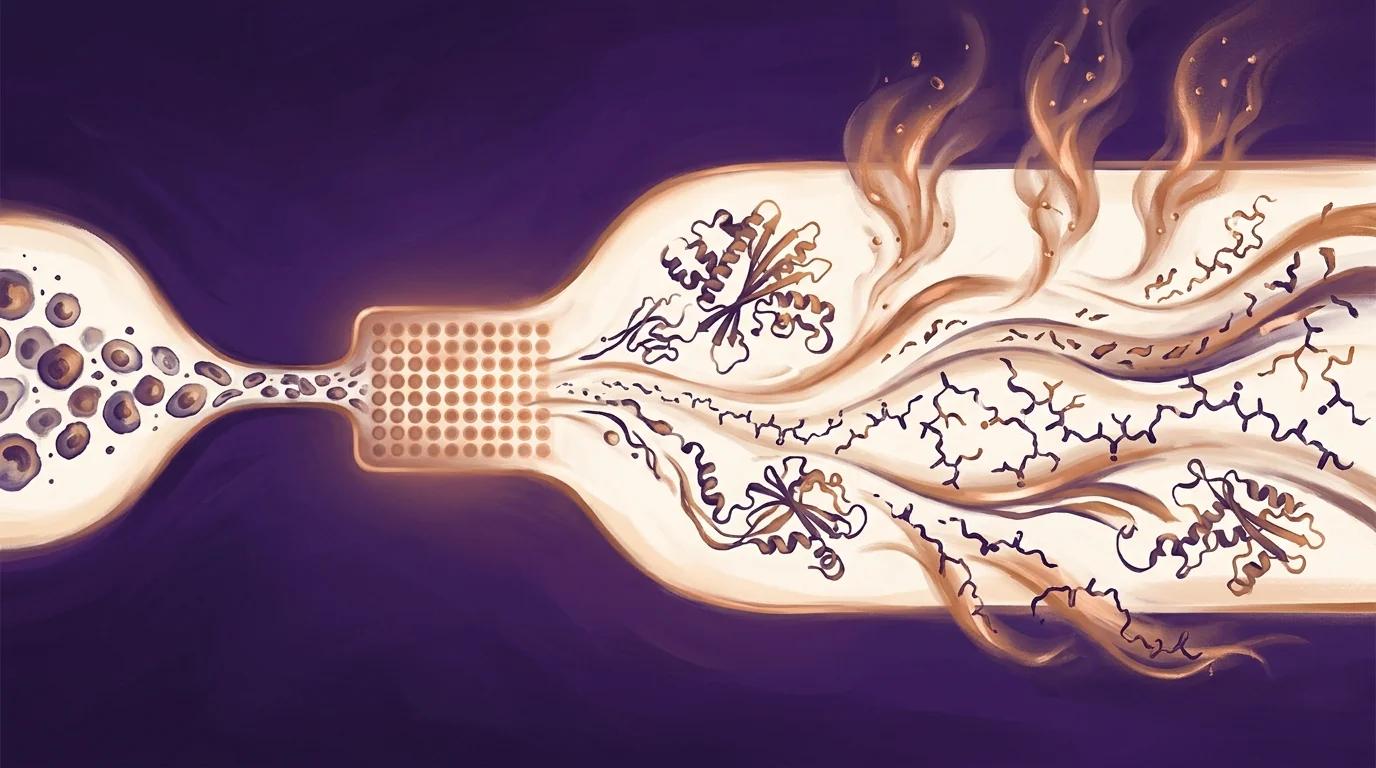
In this preprint, Mar and colleagues introduce a 96-well PIXUL-based workflow that extracts protein, DNA, and RNA in parallel from the same fresh-frozen or FFPE mouse tissue across six organs. FFPE-to-frozen RNA-seq Spearman correlations of 0.83–0.91 — including blocks stored at room temperature for 1.5 years — and roughly 5,200 proteins quantified per organ confirm that archived blocks are practical inputs for parallel multi-omic profiling.
The takeaway: the FFPE tissue already sitting in your archive is a viable input for a modern multi-omic workflow, run on one instrument, at 96-sample throughput.
Key findings
- FFPE-to-frozen RNA-seq Spearman correlations of 0.83–0.91 across brain (0.91), kidney (0.87), liver (0.85), and heart (0.83) — including FFPE blocks aged 1.5 years at room temperature. Long-archived clinical specimens remain viable inputs for modern multi-omic analysis.
- 5,182–5,321 proteins quantified per organ using SP3 digestion, 16-plex TMTpro labeling, and LC-MS/MS on an Orbitrap Exploris 480 — with FFPE-to-frozen Pearson R² ≥ 0.95 across all four organs profiled.
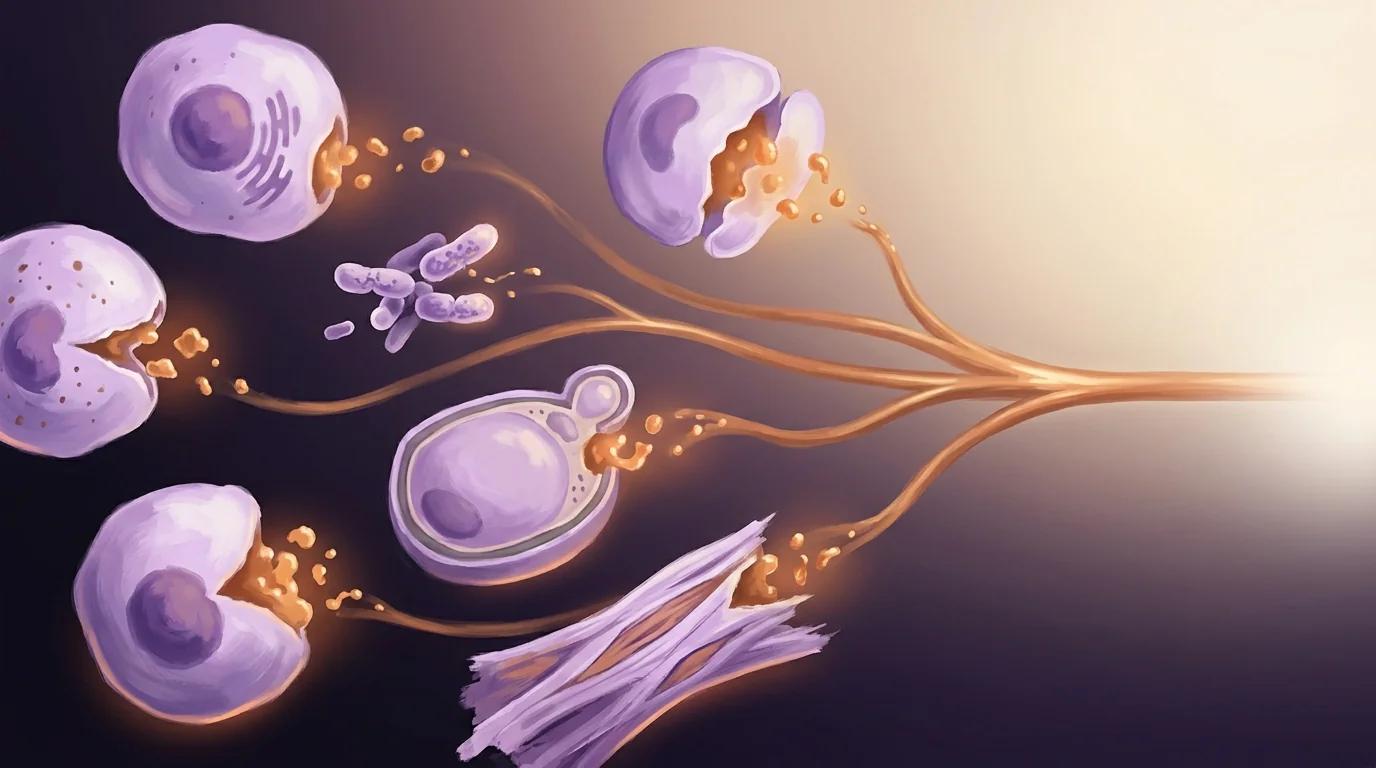
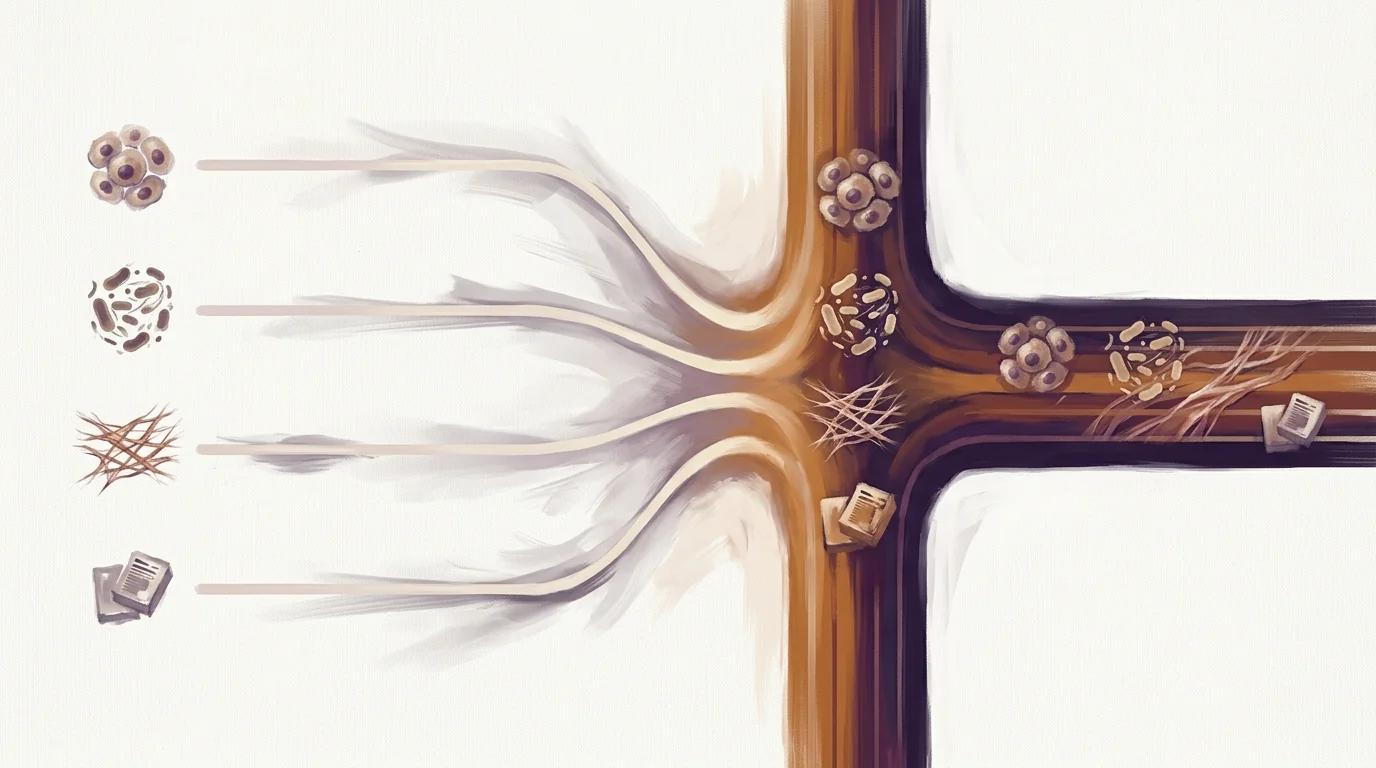
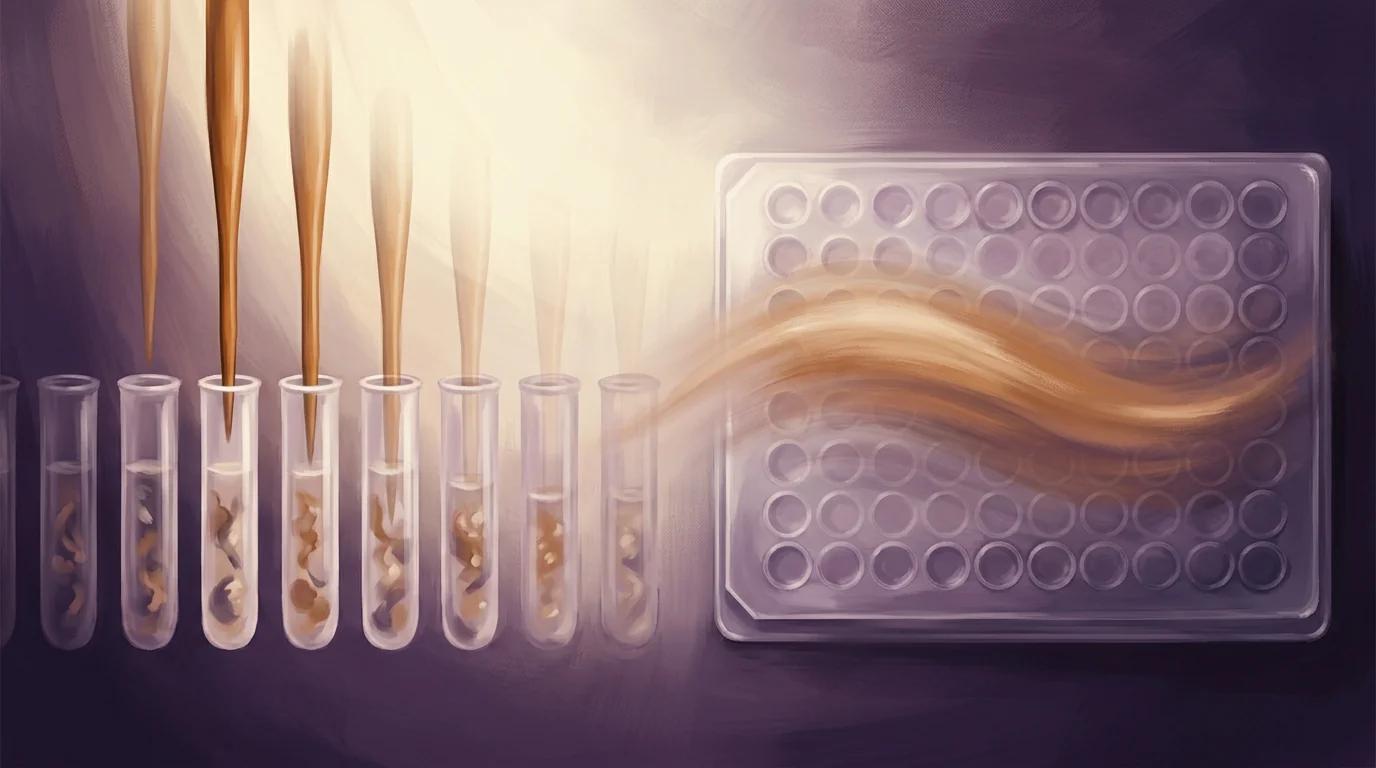
- One PIXUL workflow extracted DNA, RNA, and protein in parallel across 96 samples from the same tissue input. The historical bottleneck — a separate sample-prep instrument and pipeline for each layer — collapses into a single 96-well plate.
PIXUL in the methods
"The 96-well format sonicator, PIXUL, was adapted to extract DNA, RNA, chromatin, and protein from tissues."
— Mar et al., bioRxiv (2023), Methods (Abstract)
Why it matters for PIXUL users
If you run proteomics, genomics, or integrated multi-omic studies on tissue samples, this preprint is direct evidence that PIXUL delivers consistency at scale across every analyte layer from a single biospecimen. The authors extract DNA, RNA, and protein in parallel from one 96-well plate, then quantify 5,182 to 5,321 proteins per organ on an Orbitrap Exploris 480 — with FFPE-to-frozen RNA-seq Spearman correlations of 0.83 to 0.91 and proteomics Pearson R² at or above 0.95 across four mouse organs, including blocks aged 1.5 years at room temperature. For multi-application labs, the practical takeaway is that one open platform supports your proteomics, genomics, and integrated multi-omic experiments without proprietary consumables, while the parallel 96-sample format matches the throughput of downstream mass spectrometers and sequencers. The archived FFPE blocks already sitting in your tissue repository become viable inputs for the same workflow you run on fresh-frozen material.